Korean snack global growth: Market trends guide
"The global appetite for instant noodles is reshaping trade landscapes, moving from local staples to international market leaders."
This growth is driven by expanding consumer demand in diverse regions, ranging from massive markets in Asia to emerging markets in Africa.
Key takeaways: 1. The global instant noodle market features massive demand in China and rising consumption in regions like India and Nigeria. * Historical market share data shows how early leaders established dominance through product innovation. 2. Competitive dynamics vary significantly by country, with local brands often competing against established international players.
How did the Korean snack and instant food industry establish its presence?
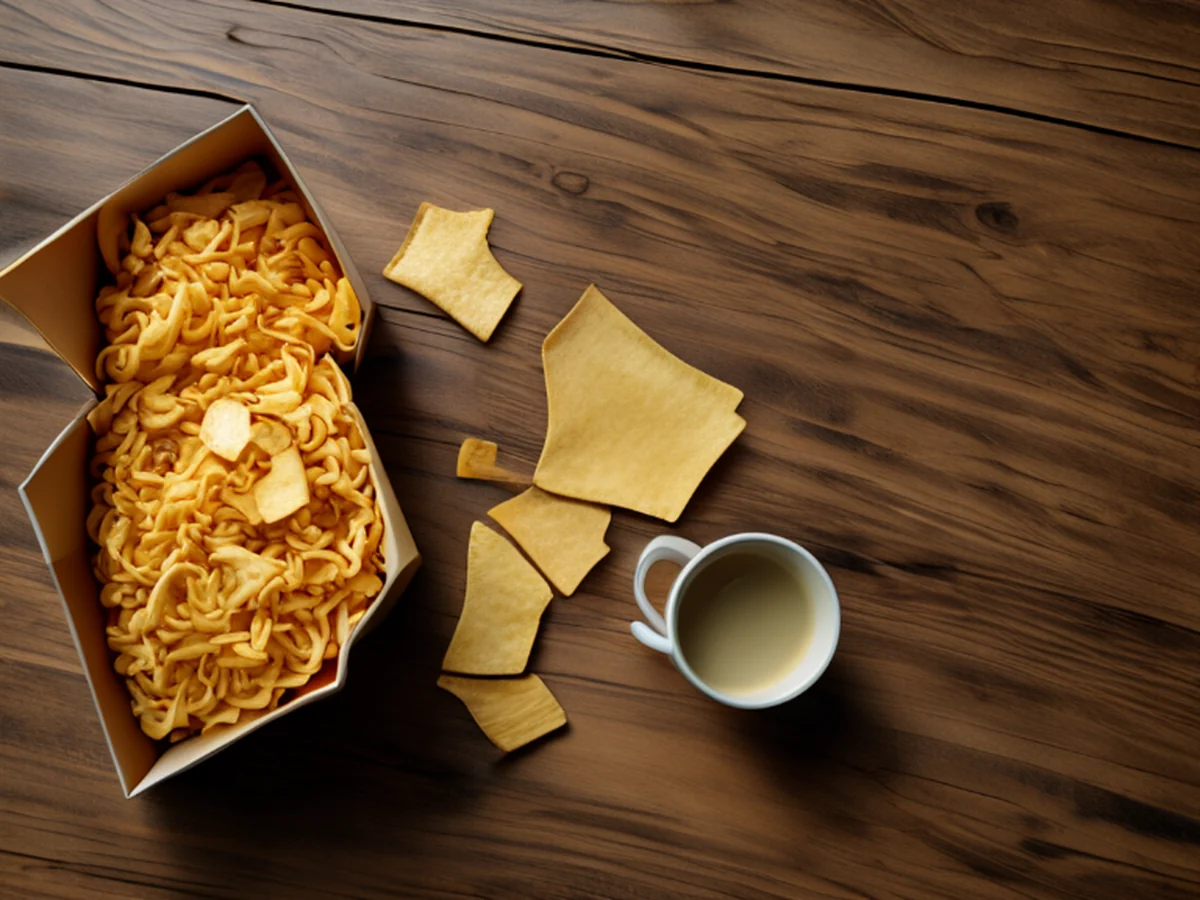
In the dim light of a quiet kitchen, I ran my fingers over the crinkled packaging of an old Korean snack, feeling the textured surface from years ago.
The history of these products began with early commercialized packaged snacks, including Beef Ramyun in 1970, Saeukkang in 1971, and Nongshim Ramyun in 1975.
These early releases helped a single company achieve a 35% market share in the mid-1970s.
The foundation of the Korean snack and instant food industry was built on these early product launches. Following these initial successes, market share grew steadily. In 1984, the market share reached 40%, and the company became a leading market player in March 1985.
This period of expansion set the stage for the massive global reach seen today.
With the introduction of Shin Ramyun in 1986, the market landscape shifted again. This brand became one of the most beloved instant noodle brands in South Korea. By 1987, the market share reached 46.2%, climbing to 53.2% in 1988, and eventually hitting 58% in 1989.
I remember reading how these specific product lines changed the way people viewed convenience food.
What are the current global trends for instant noodles? Korean snack global growth A traveler sits in a bustling terminal, looking at the various noodle brands available in different countries.
The scale of the global market is massive, with China serving as the world's largest instant noodle market, reaching a demand of 40.25 billion servings in 2018, according to the World Instant Noodles Association.
Different regions show vastly different levels of consumption and market maturity. For instance, in 2018, India was the third largest consumer of instant noodles after China/Hong Kong and Indonesia, according to the World Instant Noodles Association (WINA).
Meanwhile, in 2019, Nigeria was the eleventh largest consumer of instant noodles in the world, according to the World Instant Noodle Association.
The diversity of the market is further illustrated by specific regional statistics. According to statistics from the International Ramen Manufacturers Association, Taiwan is the world's twelfth-largest instant noodle market, with an annual sales figure of NT$10 billion (US$300 million).
In Europe, Hungary was the 43rd largest consumer of instant noodles, having consumed 20 million packages/cups of noodles in 2014, according to the World Instant Noodles Association (WINA).
How do different countries compare in the instant noodle market?
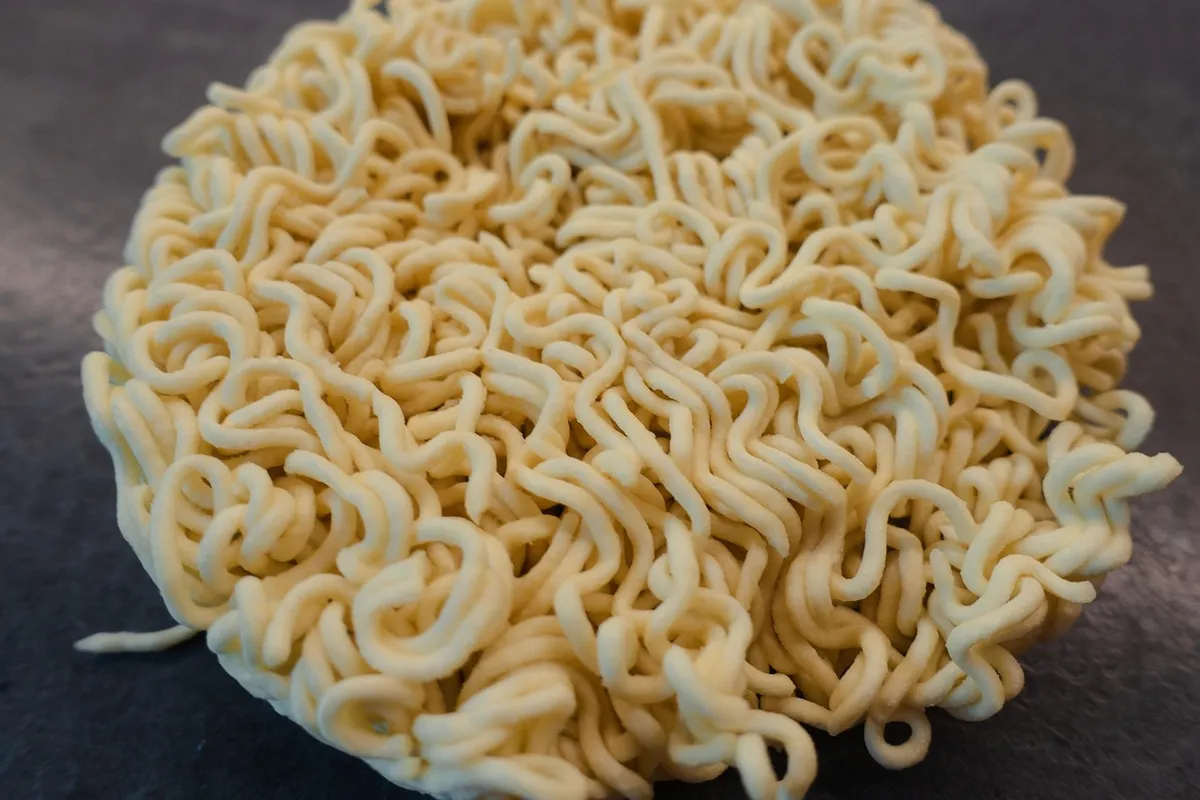
At dusk, I sat in a busy cafe and watched people of all backgrounds reach for their Korean noodle bowls.
A supermarket aisle displays dozens of different brands, each vying for a spot on the shelf. Understanding the competitive landscape requires looking at how different brands hold their ground in various territories.
| Region/Brand Context | Market Share/Scale Information |
|---|---|
| Knorr (Global Leader) | 55% market share |
| Maggi (Global Leader) | 45% market share |
The competitive landscape is not uniform across the globe. In Australia, the most popular manufacturer of instant noodles is San Remo Macaroni Company, with its Fantastic and Suimin brands holding a 30% market share.
In Japan, Tōyō Suisan, under the brand name Maruchan, holds a 19.2% market share with products like Akai Kitsune and Midori no Tanuki. Sanyō Foods, with Sapporo Ichiban, holds an 11.5% market share, while Myōjō Foods, with Charumera, holds a 9.9% market share.
Acecook, with Super Cup, holds an 8.3% market share.
How do I understand market dominance? An analyst pores over spreadsheets, comparing growth rates and market penetration across different decades. To understand how a brand moves from a local favorite to a global player, one must follow the trajectory of its expansion.
- Analyze the initial product rollout and its immediate impact on domestic market share. 2. Track the introduction of flagship brands that serve as the primary drivers for international interest. 3. Evaluate the competitive response from local manufacturers in new target markets.
A final check involves verifying the current market share of these brands against their historical peaks. I once compared the 1980s growth rates to modern figures to see how much the industry had matured.
What are the limitations of analyzing global food market data?
A researcher notes the difficulty of reconciling different reporting periods and regional data sets. While the data provides a snapshot of success, it is subject to specific constraints.
The analysis of market dominance is limited by the specific timeframes provided in historical records, such as the 1980s growth period or specific yearly snapshots like 2018.
For example, the 58% market share recorded in 1989 is a specific historical figure that does not reflect current global conditions.
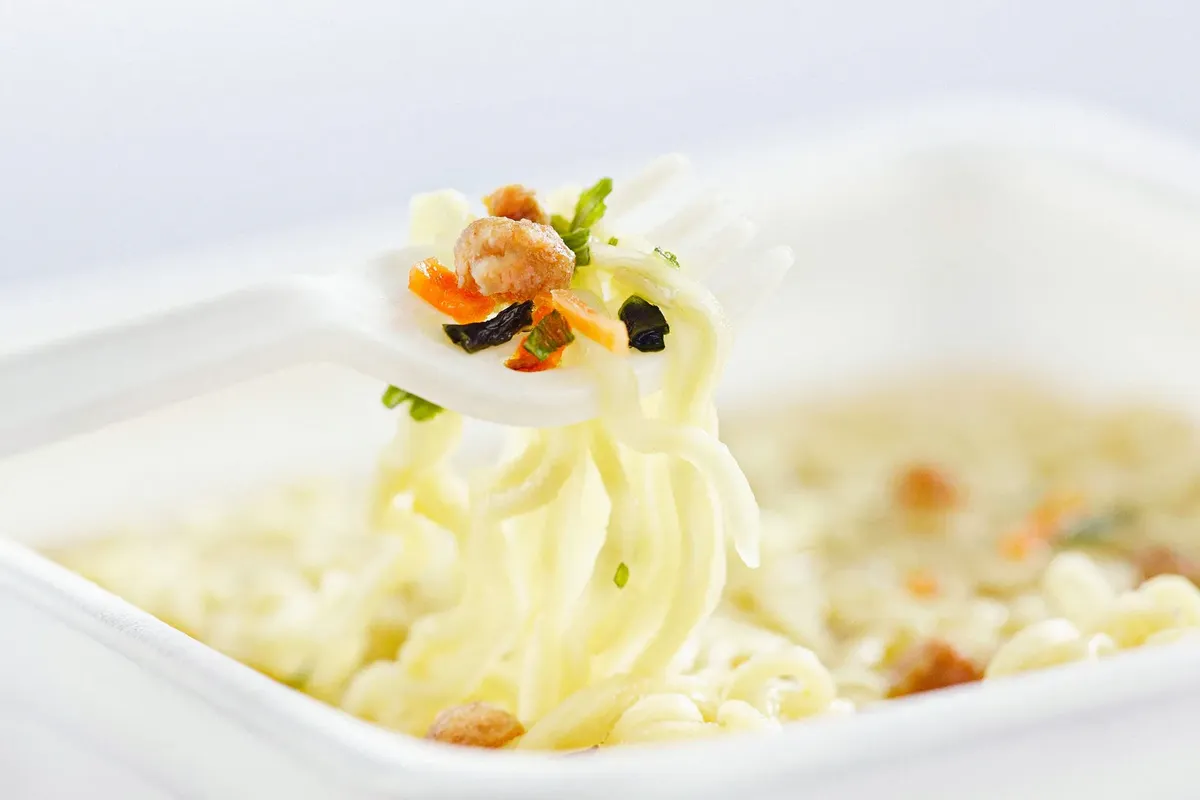
- The Korean snack and instant food industry has transitioned from domestic production to a significant force in the global market.
- This article examines the scale of these markets, historical growth of leading brands, and the competitive landscape of the global instant noodle industry.
- A factory line hums in the early morning as workers prepare batches of seasoned noodles and crispy snacks.
The subject here is Korean snack global growth.
The same subject is also called Global snack industry trends.
The same subject is also called Korean instant food success.
The same subject is also called K-food global business scale.
The same subject is also called Nongshim global market share.
This part also covers Future of K-snack industry.
This part also covers {.
Growth of Korean food brands
Related



Comments 0