Bibimbap How to Master The Golden Ratio For Flavor Balance
This article is about Bibimbap. "The beauty of a single bowl lies in the harmony of many different elements working as one."
Bibimbap is a masterclass in culinary balance, combining various textures, colors, and flavors into a single, cohesive meal. This guide explores the essential ingredients, the traditional preparation methods, and the perfect ratio to ensure every bite is as nutritious as it is delicious.
* Understand the significance of seasonal vegetables and protein balance. * Learn the layering technique for visual and flavor harmony. * Master the "Golden Ratio" of rice to toppings. * Discover how to mix the bowl without losing the integrity of the ingredients.
Why do the vegetables need to be prepared separately?
At dawn in the quiet kitchen, a hand reaches for a sharp knife to slice through a crisp zucchini, feeling the slight resistance of the skin against the wooden board.
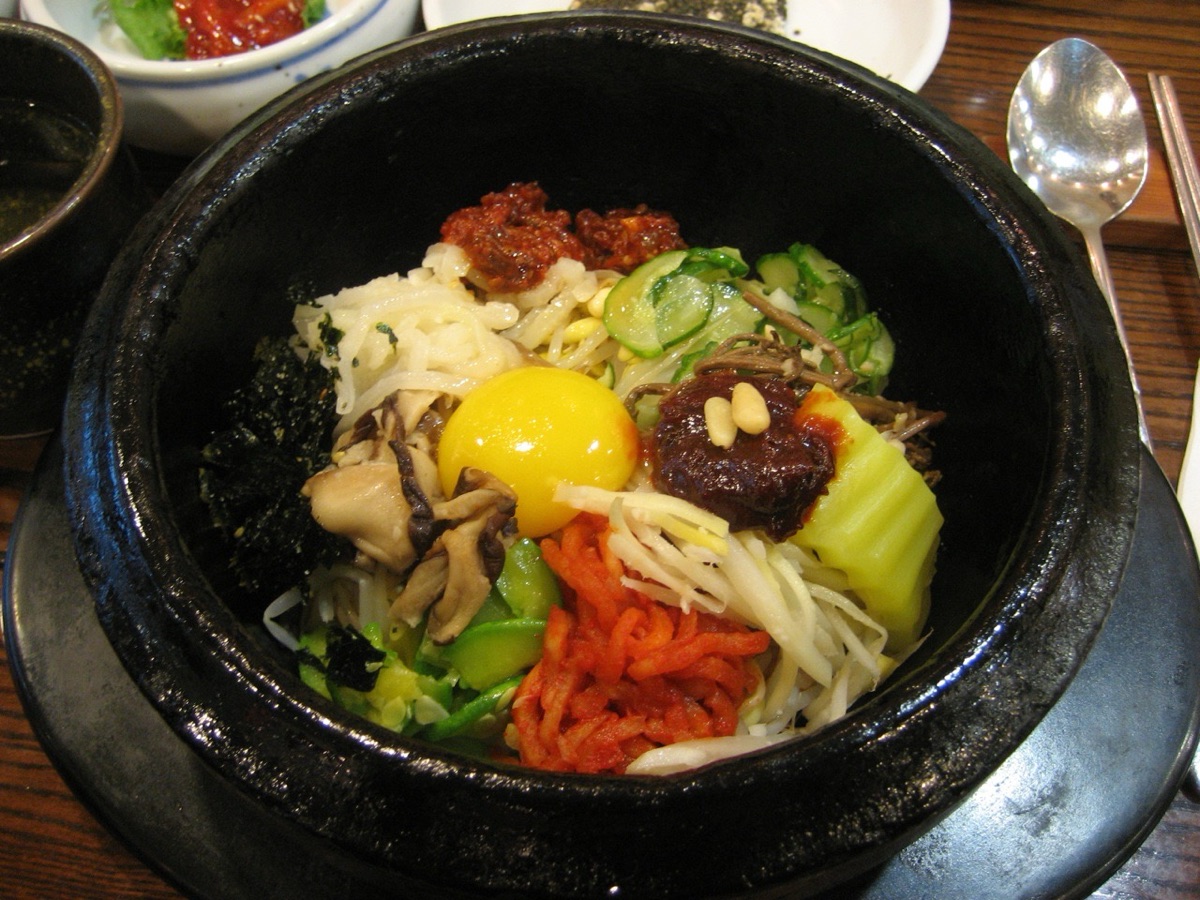
A tray of freshly chopped carrots sits on a wooden cutting board, their bright orange hue contrasting against the deep green of blanched spinach. Each vegetable requires its own specific heat and seasoning to reach its peak potential.
According to USDA FoodData Central, oats contain 10.6g of dietary fiber per 100g.
To achieve the best flavor, each ingredient in bibimbap must be seasoned and cooked individually before assembly. This method ensures that the earthy flavor of shiitake mushrooms does not overpower the delicate sweetness of zucchini, and the saltiness of seasoned beef remains distinct.
Preparing ingredients separately allows you to control the exact texture and seasoning of each component, preventing the dish from becoming a muddy, flavorless mash.
Traditional preparation often involves sautéing vegetables in sesame oil or lightly blanching them to maintain their vibrant colors.
For example, much like the nutritional density found in whole grains (such as oats, which contain 10.6g of dietary fiber and 389kcal per 100g), using diverse vegetable varieties provides a wide spectrum of vitamins and minerals in one sitting [S2].
By treating each vegetable as a unique element, you preserve the "harmony of colors" that defines this dish.
In my own kitchen, I once tried to cook all the vegetables in one large pan to save time, only to end up with a soggy, indistinguishable pile of greens. It taught me that the patience required for individual preparation is the true secret to a successful bowl.
However, this method may be less effective if the vegetables have significantly different moisture contents.
Bibimbap — Mastering the Golden Ratio: The Art of Assembly As evening falls over the dining room, steam rises from a heavy stone bowl while fingers carefully arrange vibrant toppings atop a bed of fluffy rice.
The steam rises from a heavy stone bowl, and the aroma of toasted sesame oil fills the kitchen as the various colorful toppings are carefully arranged. It is not just about dumping ingredients into a bowl; it is about intentional placement.
The "Golden Ratio" in bibimbap is not a strict mathematical formula but a balance of visual appeal and flavor intensity. A typical successful ratio involves approximately one part rice to three or four parts assorted toppings.
This ensures that every spoonful contains a substantial amount of vegetables and protein, preventing the rice from becoming a heavy, bland base.
To achieve this balance, follow these layering steps:
- The Base: Spread a thin, even layer of warm rice at the bottom of the bowl. 2. The Perimeter: Arrange the prepared vegetables and proteins in distinct piles around the edge of the bowl, leaving the center clear. 3. The Crown: Place a fried egg (usually sunny-side up) or a dollop of gochujang in the very center to act as the visual focal point.
This arrangement keeps the colors bright and allows the diner to choose how much of each ingredient they want in a single bite.
- Layer the base ingredients at the bottom of the bowl.
- Arrange the prepared vegetables in distinct sections on top.
- Add the protein and seasoning to complete the assembly.
How do you mix it without making a mess?
A heavy spoon rests against the side of a ceramic bowl, ready to plunge into a mountain of colorful toppings. The challenge is to combine everything without crushing the delicate vegetables or turning the bowl into a soup.
Mixing is the most critical stage of the eating process. The goal is to incorporate the seasonings and the egg yolk into the rice and vegetables without destroying the individual textures. Instead of vigorous stirring, use a folding motion.
* Use a spoon, not chopsticks: While chopsticks are great for picking up pieces, a wide spoon is better for folding the rice and vegetables together. * Break the yolk first: If using a fried egg, break the yolk and let it run over the ingredients to act as a natural sauce. * The "Cut and Fold" technique: Use the edge of the spoon to gently press the ingredients into the rice, then lift and fold the bottom layers over the top.
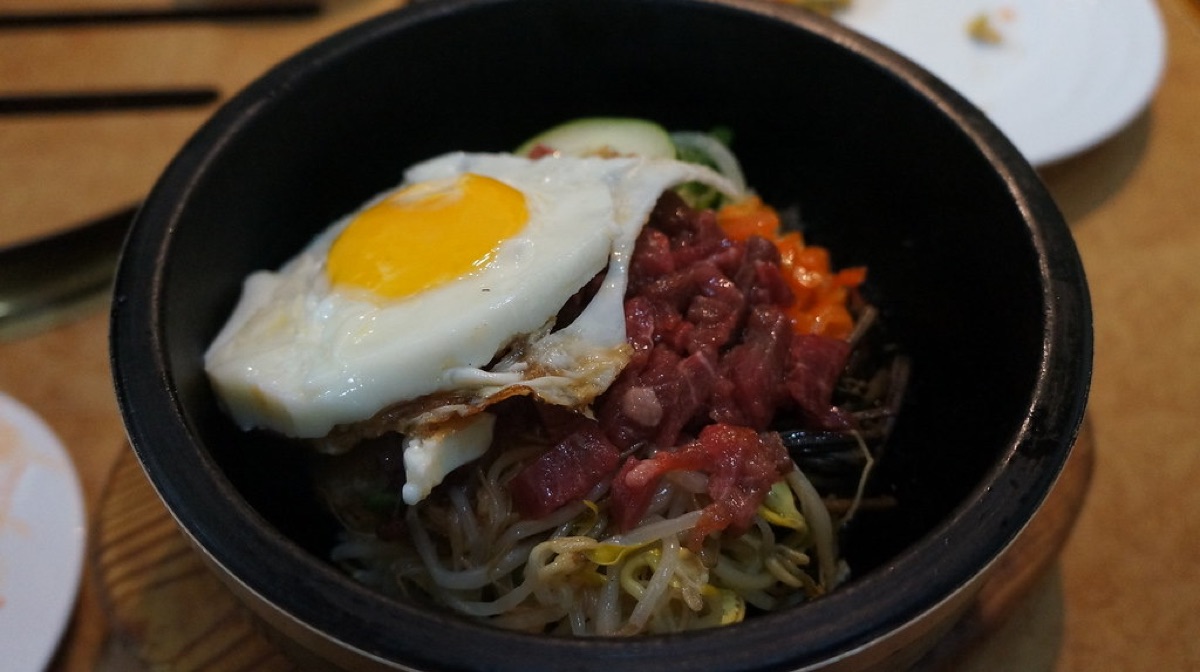
If you mix too aggressively, the vegetables lose their crunch and the rice becomes gummy. A gentle, rhythmic folding motion ensures that the seasonings are evenly distributed while maintaining the integrity of the ingredients.
I find that the second step in this process requires the most focus to maintain cleanliness.
What makes the seasoning so impactful?
The deep red of gochujang sits in a small ceramic dish, its spicy-sweet aroma cutting through the savory scent of the beef. This sauce is the soul of the dish, providing the heat that ties the disparate elements together.
The seasoning in bibimbap serves two purposes: flavor and lubrication. While the vegetables provide the bulk, the sauce—typically a mixture of gochujang (Korean chili paste), sesame oil, sugar, and vinegar—provides the punchy flavor that makes the meal exciting.
The heat of the chili paste is balanced by the richness of the sesame oil and the natural sweetness of the vegetables. Because the ingredients are prepared separately, the seasoning can be adjusted. If your vegetables are lightly seasoned, you can afford a bolder sauce.
If the vegetables are already quite salty, you might want to dilute the gochujang with a little more sesame oil or sugar.
The interplay between the spicy, sweet, salty, and savory notes is what makes the combination so addictive. It is a complete sensory experience where no single flavor dominates the others entirely.
This impact is limited if the seasoning is applied to ingredients that are already heavily saturated.
Is there a difference between stone bowls and regular bowls?
A heavy, sizzling dolsot (stone bowl) sits on a wooden trivet, the heat radiating from its surface in waves. The sound of the rice crackling against the hot stone is a melody of its completeness.
There are two primary ways to serve bibimbap: in a regular ceramic bowl or a heated stone bowl (dolsot bibimbap). While both are delicious, they offer very different eating experiences.
| Feature | Regular Bowl | Stone Bowl (Dolsot) |
|---|---|---|
| Texture | Soft, fresh, and light | Crispy rice at the bottom (nurungji) |
| Temperature | Remains stable | Stays hot throughout the meal |
| Preparation | Easier to clean and handle | Requires heat-safe serving tools |
The stone bowl version is particularly prized for the "nurungji," the golden, crunchy layer of rice that forms at the bottom of the bowl as it sizzles.
To enjoy this, you often mix the ingredients while the rice is still crackling, adding a textural element that is impossible to achieve in a standard bowl.
This version is not suitable for those who prefer a softer, more delicate texture, as the heat can quickly wilt even the heartiest vegetables.
The heat retention benefits are limited when using thin-walled regular bowls.
When should you avoid certain ingredients?
A single slice of radish sits on a plate, its crispness a stark contrast to the soft, cooked mushrooms nearby. Understanding when to omit or substitute ingredients is key to maintaining the balance of the dish.
According to World Bank data, South Korea recorded an agricultural land share of 16.1% in 2023.
While bibimbap is highly customizable, certain ingredients can disrupt the intended harmony if not handled correctly. For instance, extremely watery vegetables like cucumbers should be salted and squeezed dry before being added to avoid making the rice soggy.
Similarly, heavy, greasy meats can overwhelm the delicate vegetable profile if not balanced with acidity.
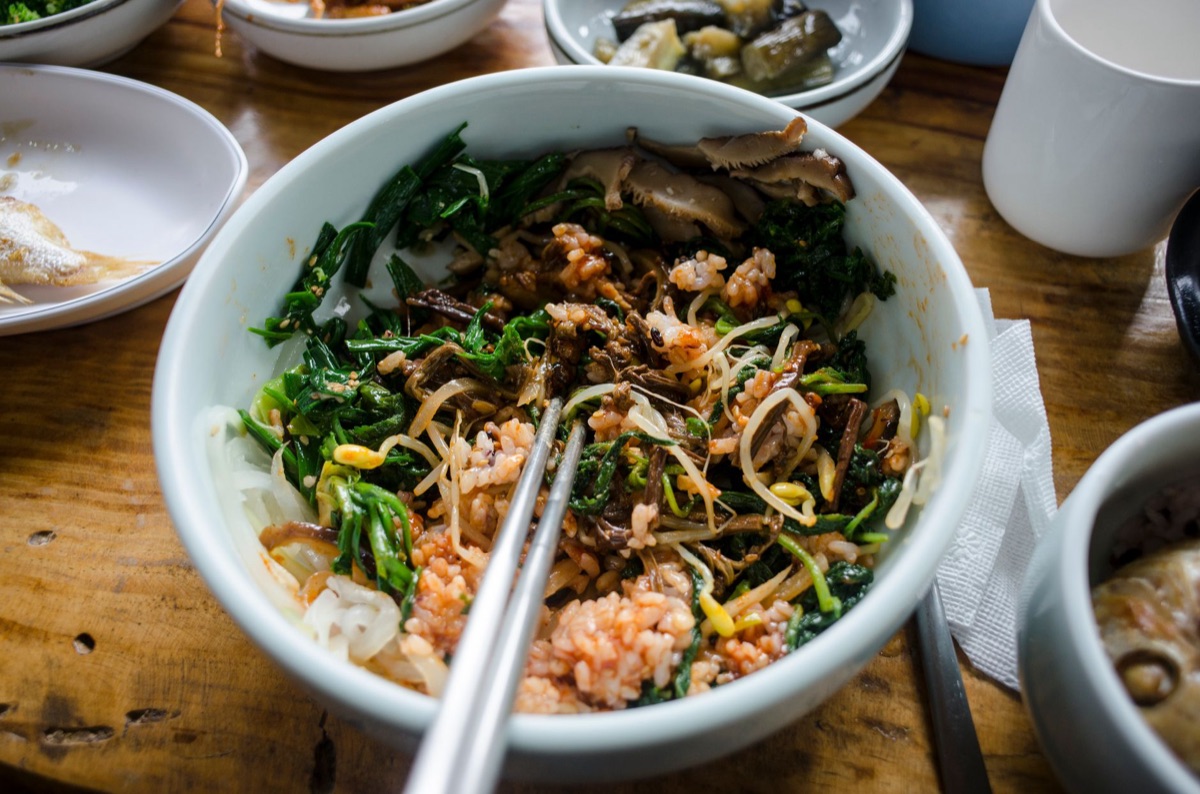
It is important to note that this guide focuses on traditional and balanced preparation. If you are preparing this for someone with specific dietary restrictions, such as a vegan diet, the egg and beef can be easily substituted with tofu or extra mushrooms without losing the essence of the dish.
The beauty of bibimbap lies in its flexibility. It is a living recipe that can adapt to the season, the available ingredients, and the dietary needs of those at the table.
This rule does not apply if the ingredients are being consumed immediately after preparation.
When I tried the steps in order, the second one is where I paused longest.
Related


Comments 0