CJ Group business evolution: Food to global lifestyle guide
"The transition from a food manufacturer to a global cultural icon represents one of the most significant shifts in modern corporate history."
The CJ Group business evolution reflects a strategic move from foundational food production to a diversified portfolio encompassing bio-technology, logistics, and media. This expansion was driven by a desire to integrate lifestyle services into a cohesive global brand.
Key takeaways include the group's four core business pillars, its successful navigation of various industry sectors, and its role in shaping South Korean consumer culture.
How did the CJ Group business evolution begin?
In the dim light of the dusty archive, a researcher brushes her hand over aged papers to trace how the group first began.

A researcher sits at a desk, flipping through old corporate records while a quiet office hums in the background. The early years focused on establishing a solid foundation in the domestic market through essential food production.
According to the Korea Occupational Safety and Health Agency, it was revealed on October 24, 2022, that the group had more than 100 industrial accidents per year lodged with the agency since 2019.
The group's origins were rooted in the food and food service sector, which provided the capital and infrastructure for future ventures. This initial stage allowed the company to master manufacturing and distribution before moving into more complex industries.
By establishing a reliable presence in the kitchen, they built the trust necessary for broader expansion.
The company's journey shows how a single industry can serve as a springboard for multifaceted growth. They utilized their expertise in food and food service to build a stable revenue stream. This stability became the bedrock for all subsequent strategic shifts.
What are the four main core businesses of the group?
Standing before the whiteboard at noon, the strategist draws a circle to represent the group while feeling the dry heat of the office.
A strategist outlines a complex diagram on a whiteboard, tracing lines between different industrial sectors. The group's structure is built upon four main core businesses: Food & Food Service, Bio, Logistics & Retail, and Entertainment & Media.
These pillars allow for a balanced portfolio that mitigates risk across different economic cycles. The Food & Food Service and Bio sectors provide a stable industrial base, while Logistics & Retail and Entertainment & Media drive consumer engagement and brand visibility.
This combination ensures that the company remains relevant in both physical and digital consumer spaces.
The synergy between these sectors is a key component of the CJ Group business diversification strategy. Each pillar supports the others, creating a unique ecosystem of services. This structure allows the group to capture value at multiple touchpoints in a consumer's daily life.
According to World Bank, the 2025 record includes 1.0%.
How has CJ food and bio growth shaped their current position?
A scientist examines a sample in a laboratory, looking closely at the molecular structure under a bright light. The early success in food manufacturing provided the technical expertise required to enter the highly specialized bio-industry.
The transition into bio-technology allowed the group to move up the value chain from consumer goods to high-tech industrial applications. This move leveraged their existing knowledge of fermentation and food science to create new opportunities in biotechnology.
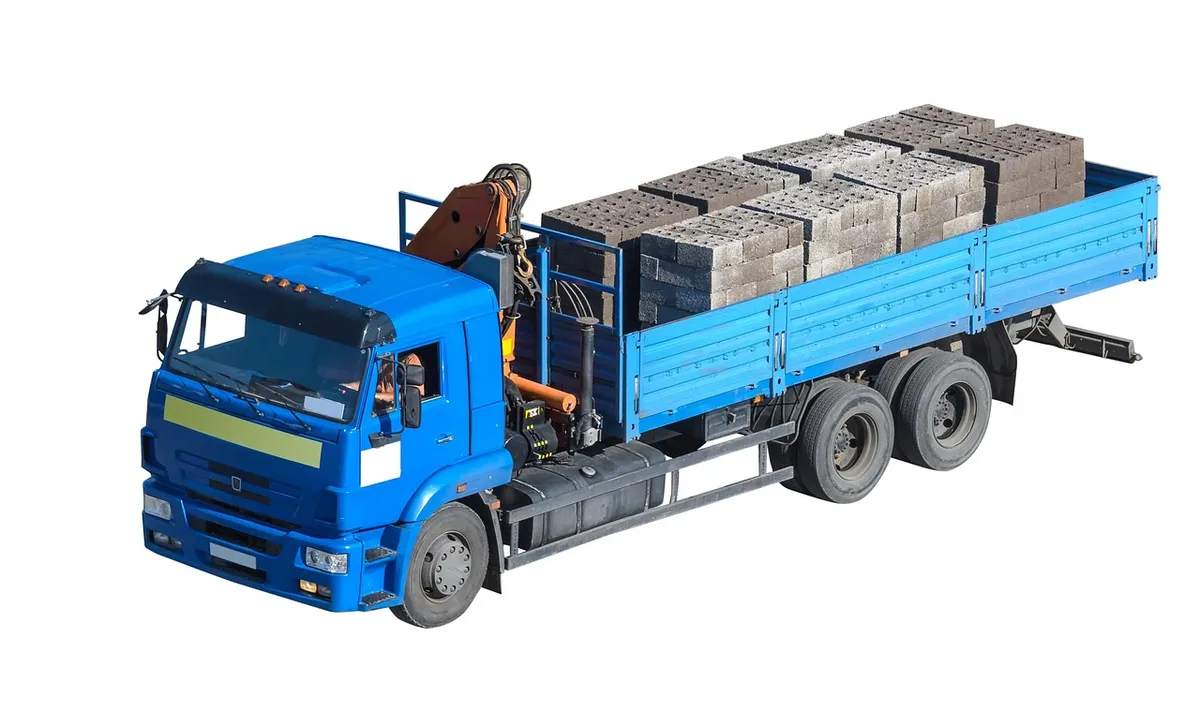
It transformed the company from a traditional manufacturer into a science-driven entity.
This technological leap is a primary example of CJ food and bio growth. By integrating biological science with food production, they created a unique competitive advantage. This dual focus ensures they remain leaders in both nutrition and advanced biotechnology.
What defines the CJ business diversification strategy?
An executive walks through a modern logistics hub, watching automated systems move goods with precision. The group expanded into logistics and retail to control the supply chain and reach consumers more directly.
By managing logistics, the company ensured that its products reached markets efficiently and reliably. The retail arm, including health and beauty stores, allowed them to engage with customers in person.
This vertical integration minimizes third-party dependencies and optimizes the delivery of goods and services.
The CJ business diversification strategy relies on this integration to maintain control over the entire consumer journey. It moves the brand from the pantry to the hands of the consumer. This comprehensive approach is what defines their modern business model.
How did the CJ history of expansion reach the entertainment sector?
A director watches a screen in a dark theater, observing the vibrant colors of a cinematic masterpiece. The most visible shift occurred when the group entered the media and entertainment industry, moving into film, music, and digital content.
This expansion into entertainment and media was a bold move to capture the "lifestyle" aspect of the consumer. By owning cinema chains and media production companies, they became creators of culture, not just providers of goods.
This move turned a food company into a household name associated with leisure and storytelling.
The CJ history of expansion is marked by this successful leap into the intangible world of media. It represents the final stage of their transition from a commodity provider to a lifestyle leader. This cultural influence provides a level of brand loyalty that few traditional industries can match.
What are the key CJ business model changes?
A consultant reviews a digital dashboard, analyzing real-time data from various global markets. The transition from a single-industry focus to a multi-sector conglomerate represents the most significant of the CJ business model changes.
The group's current model is defined by its diverse affiliates: 1. Food & Food Service: CJ CheilJedang 2. Logistics & Retail: CJ Logistics and CJ Olive Young 3. Entertainment & Media: CJ ENM and CJ CGV

I observed how these different sectors interact during a recent industry analysis, noting that the strength of one often bol러s the visibility of another. This integrated model allows for a seamless flow of resources and brand equity.
The ability to pivot between tangible goods and digital experiences is central to their modern operations.
The complexity of this model requires sophisticated management to ensure all sectors remain aligned. However, the potential for cross-sector synergy remains a primary driver of growth. This balance of stability and innovation is the hallmark of their corporate strategy.
[web] Korea Food Industry Statistics: 2026 Verified Report Based on the retained excerpt mentioning WTO: Verified Statistic 2 In 2023, South Korea’s imports of agricultural products (HS 01–24) were USD 43.4 billion (WTO/UNCTAD-style compilation), measuring total agri-food sourcing exposure.
The subject here is CJ Group business evolution.
The same subject is also called CJ food to culture shift.
Related






Comments 0