Korean Seasonal Cooking Why It Matters For Health
This article is about Seasonal. "The rhythm of the seasons is the secret ingredient in every Korean kitchen."
Korean seasonal cooking is the practice of aligning ingredients, preservation methods, and flavor profiles with the natural shifts of the year to ensure health and harmony.
This guide explores why seasonal eating is the backbone of Korean cuisine, how it differs from single national dishes, and how you can apply these traditional principles to your own meals.
* Understanding the connection between seasonal cycles and nutritional density. * Comparing fixed national dishes to the fluid nature of seasonal food. * Learning the core principles of fermentation and harvest-based cooking. * Practical steps to implement seasonal eating in a modern kitchen.
Why does the season dictate the menu?
In the quiet chill of a mountain morning, a chef brushes dew-slicked wild greens between her fingers, inhaling the sharp scent of pine.
The morning air in a mountain village is crisp, and the scent of damp earth and pine needles hangs heavy in the air. A chef reaches for wild greens gathered only during this specific window of spring, knowing they will lose their delicate bitterness by next month.
In Korea, the menu is not a static list of recipes but a living response to the environment. While many cultures have a singular dish that represents their identity, Korean cuisine often finds its soul in the transition between seasons.
This approach ensures that the food consumed is at its peak nutritional value and flavor, minimizing the need for heavy seasoning to mask dull ingredients.
The importance of this cycle is often compared to how nations define themselves through food.
For instance, according to the Indonesian Ministry of Tourism and Creative Economy, the official national dish of Indonesia is tumpeng, which was chosen in 2014 as the dish that binds the diversity of Indonesia's various culinary traditions.
While tumpeng serves as a unifying symbol, Korean food culture focuses on the diversity of the landscape throughout the year.
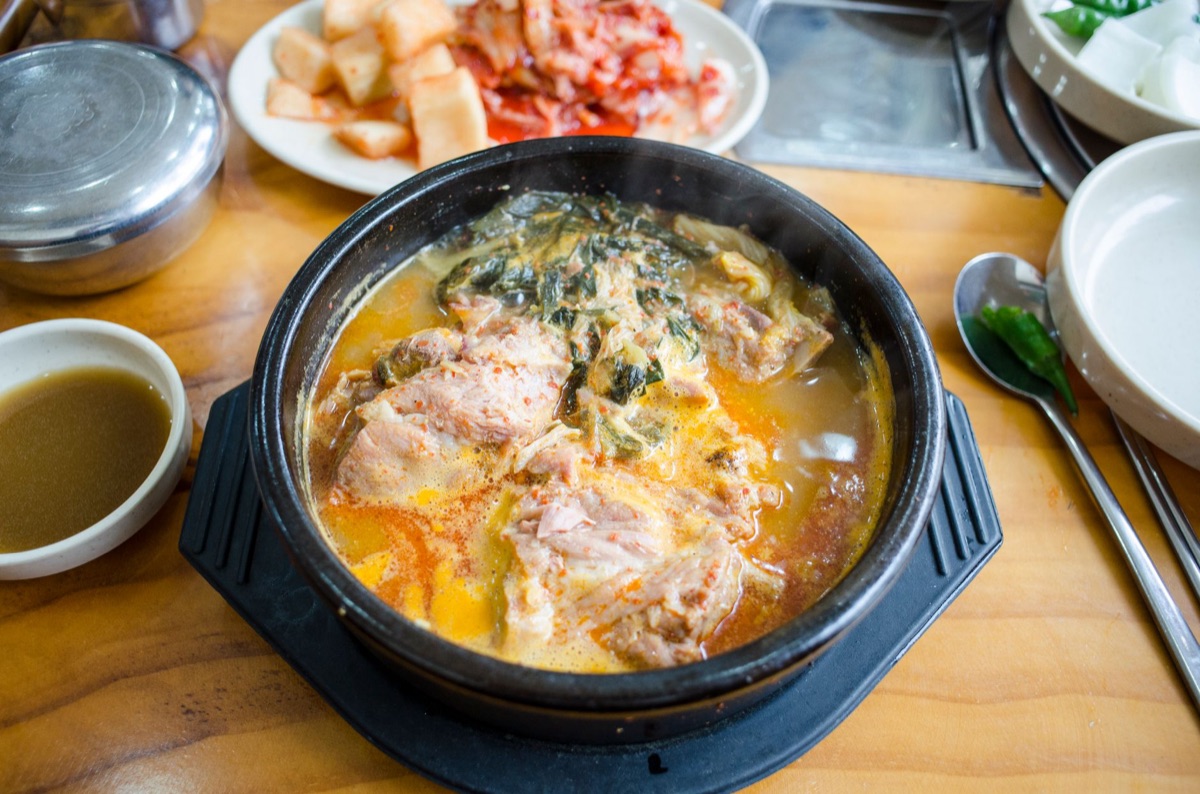
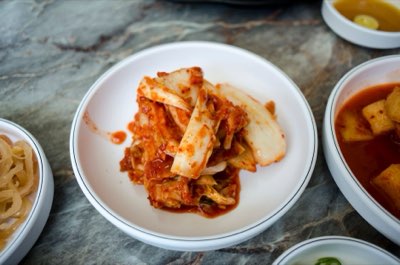
Instead of one dish representing a whole nation, the changing flavors of kimchi, seasonal soups, and fermented pastes represent the cycle of the peninsula. This ensures that the food is always in sync with the body's needs, whether it is warming spices in winter or cooling ferments in summer.
How do seasonal shifts change the ingredients?
Under the heavy humidity of a summer afternoon, a hand reaches for a chilled cucumber to soothe the heat.
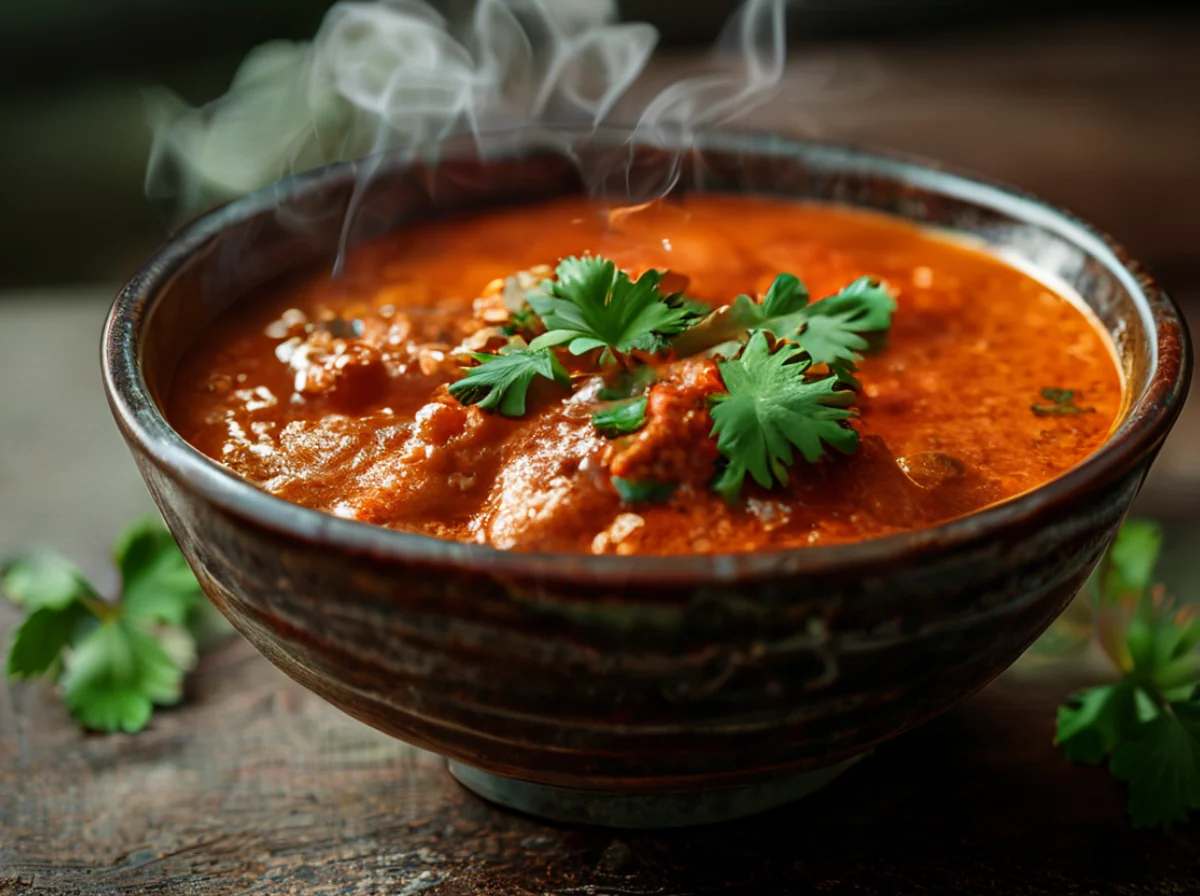
A heavy wooden table is set in a dim dining room, where a steaming bowl of seaweed soup sits next to a plate of bright, chilled cucumbers. The humidity of a summer afternoon makes the cool vegetable dish feel like a relief, while the warmth of the soup provides a sense of grounding.
Seasonal cooking in Korea relies on the availability of specific crops and the natural lifecycle of plants and animals. In the spring, the focus is on "namul" (seasoned wild greens) to provide much-needed vitamins after a long winter.
During the summer, the focus shifts to cooling ingredients like melon, cucumber, and much-water-content vegetables to combat heat.
Autumn brings the harvest, characterized by hearty grains, mushrooms, and root vegetables that prepare the body for the coming cold. Winter is the season of preservation, where the flavors of fermented foods like kimchi take center stage, providing probiotic richness when fresh produce is scarce.
| Season | Primary Ingredient Focus | Common Culinary Goal |
|---|---|---|
| Spring | Wild greens, sprouts, light oils | Rejuvenation and vitamin intake |
| Summer | Cucumbers, noodles, chilled soups | Hydration and cooling the body |
| Autumn | Grains, mushrooms, root vegetables | Sustenance and harvest celebration |
| Winter | Fermented pastes, dried proteins, stews | Warmth and probiotic health |

Can you replicate these traditions at home?
I remember standing in a small kitchen in a rural province, watching an elderly woman carefully salt a massive pile of cabbage. The sheer scale of the task was intimidating, but the way she moved with the rhythm of the season suggested this was a natural, necessary ritual.
Replicating seasonal Korean cooking does not require moving to a different country; it requires shifting your mindset toward the availability of ingredients. You can follow these steps to bring a seasonal touch to your meals:
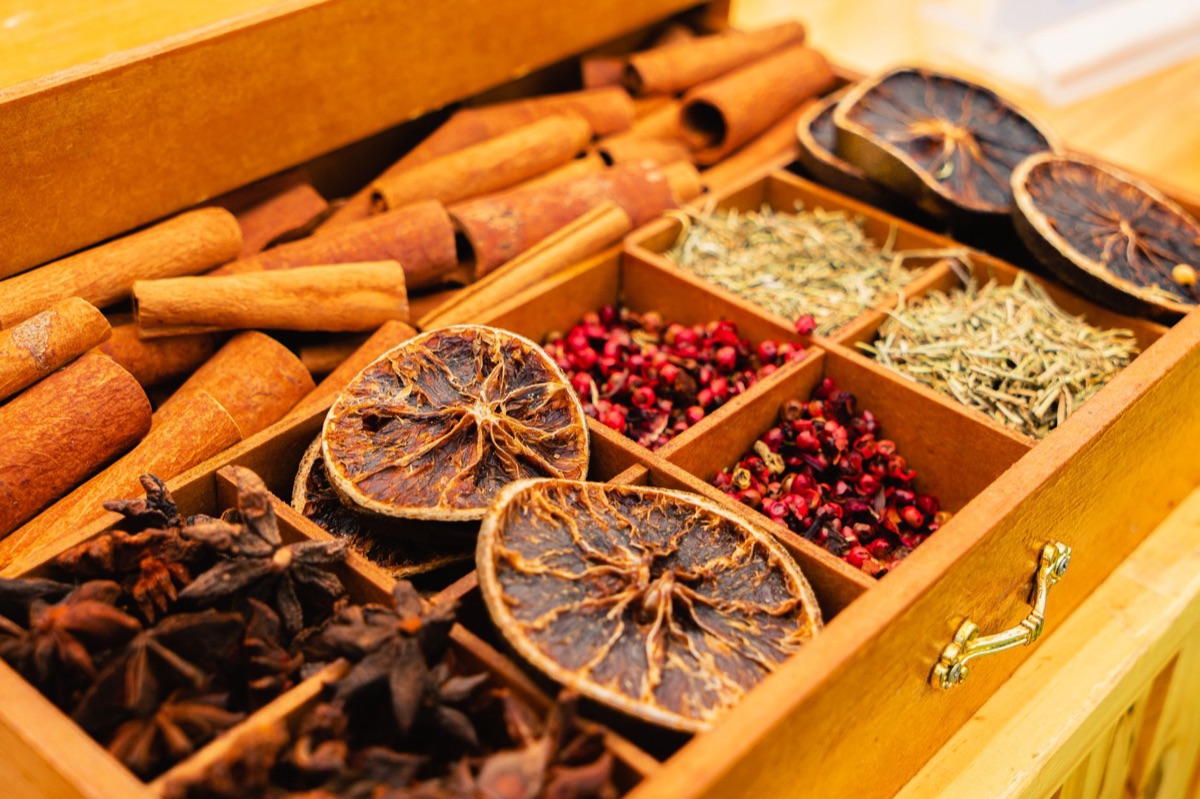
- Identify your local seasonal peaks: Visit a farmer's market to see what is currently being harvested in your specific region. 2. Match flavor profiles to the weather: Use warming spices like ginger and garlic in colder months, and lighter, more acidic flavors in warmer months. 3. Incorporate fermentation: Use fermented elements like kimchi or miso to add depth to dishes, mimicking the Korean tradition of using preserved foods to bridge seasonal gaps. 4. Respect the ingredient's peak: Avoid heavy sauces that mask the natural taste of a fresh vegetable; let the quality of the seasonal produce be the star.
This approach turns every meal into a way to connect with the world outside your window.
What happens when we ignore the seasons?
The sunlight hits a grocery store aisle, where plastic-wrapped produce sits under artificial lights, looking perfect but lacking the vibrant scent of a garden. A person picks up a tasteless tomato, feeling a sense of disappointment that it lacks the depth they expected.
When we rely on year-round availability of all foods, we lose the natural rhythm that helps regulate our health.
Traditional Korean eating patterns were designed to prevent seasonal illnesses, such as using spicy, warming foods to boost circulation in winter or light, watery dishes to prevent heat exhaustion in summer.
Relying on out-of-season produce often means consuming food that was picked prematurely or traveled long distances, losing much of its nutrient density. By ignoring the seasons, we lose the opportunity to eat at the peak of freshness and the biological benefits that come with it.
This practice is not about restriction, but about timing. It is not meant for those who live in environments where seasonal variety is impossible, but for anyone looking to deepen their connection to what they eat.
Why is fermentation the bridge between seasons?
A ceramic jar sits in a quiet corner of a garden, partially buried in the cool earth to maintain a steady temperature. The lid is heavy, and the air around it smells faintly of salt and fermentation.
Fermentation is the technological miracle that allows Korean cuisine to remain seasonal even when the weather is harsh. It is the method used to "capture" the essence of a harvest and carry it through the months when nothing grows.
Without fermentation, the abundance of autumn would be lost, and the winter would be a time of nutritional scarcity.
Through techniques like making kimchi or fermenting soy, the flavors of the peak season are preserved, providing a consistent source of nutrition and unique flavor profiles that define the Korean palate.
This process turns a simple vegetable into a complex, probiotic-rich staple that can last for months. It is the ultimate expression of seasonal wisdom.
When I tried the steps in order, the second one is where I paused longest.
However, this does not apply in every situation.
Related

Comments 0