Must-Try K-Street Food: Your Ultimate Eating Adventure Guide
"The true soul of Korea isn't found in white-tablecloth restaurants, but in the steam rising from a plastic stall on a rainy Seoul corner."
To find the heart of Korean culinary culture, you must step away from the polished malls and into the bustling night markets where flavors are bold, textures are diverse, and the heat from a griddle is the only heater you need.
* Street food in Korea is a communal ritual, serving as a vital social glue rather than just a quick meal. * Flavors shift dramatically from the spicy, seafood-heavy coasts of Busan to the sweet and savory centers of Seoul. * Mastering the timing of preparation—from dough rising to cooling—is the key to enjoying perfect textures.
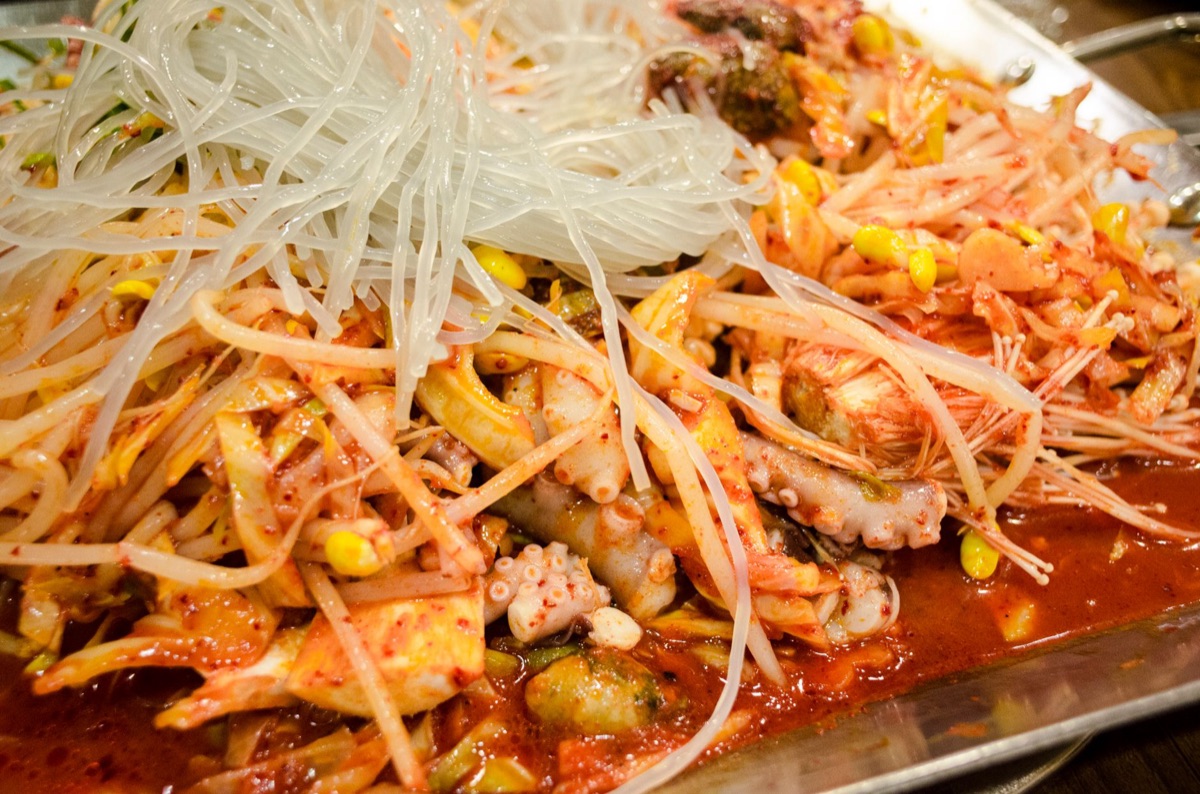
What makes K-street food so unique? The smell of toasted sesame oil and spicy gochujang hits you before you even see the vendor, pulling you toward a brightly lit stall under a blue tarp. This sensory overload is the starting point for a culinary tradition that balances convenience with deep, soulful comfort.
In Korea, street food is rarely viewed as mere "fast food" in the Western sense; it is often considered a warm, reliable comfort food that bridges the gap between meals. While a quick snack, these dishes often carry the weight of tradition, using recipes passed down through generations of vendors.
The setting is almost always communal, where strangers sit shoulder-to-shoulder on plastic stools, sharing the same narrow space and the same steaming bowls. This environment fosters a unique social energy where the boundaries between vendor and customer blur into a shared moment of eating.
To complete the experience, many street foods are accompanied by small, complimentary touches like a cup of warm broth or a side of pickled radish. These small additions are essential for balancing heavy, spicy, or oily flavors, making the meal feel complete.
But what happens when you move from the general atmosphere to the actual preparation of these iconic bites?
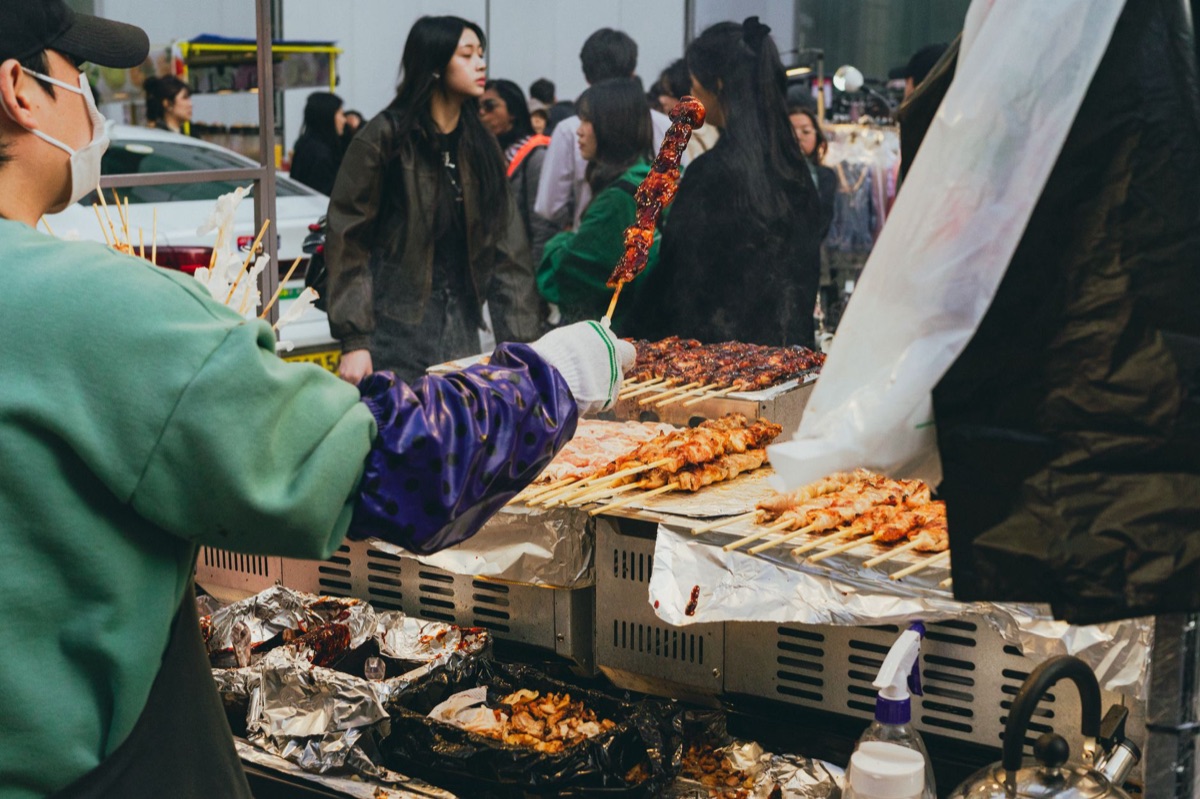
What are the must-try classics and hidden gems? I remember standing at a small stall in a narrow alleyway in 2024, watching a vendor work with a rhythmic, almost hypnotic precision that made the simple act of cooking look like an art form.
The steam from the large metal pans clouded my glasses, but the aroma of melting sugar and toasted dough was too tempting to ignore.
Tteokbokki, the iconic spicy rice cake, is the cornerstone of the street food experience, but its flavor profile changes depending on where you stand. In Seoul, you often find a thicker, sweeter sauce, while in more traditional markets, the spice can be sharper and the rice cakes more chewy.
Hotteok, the sweet, pan-fried pancakes, requires a level of technical skill that many travelers overlook until they take their first bite. Because the sugar center can be dangerously hot, mastering the dough is a matter of both taste and safety.
To achieve the perfect consistency, you must follow a specific preparation process:
- Knead the dough by hand for 5–7 minutes, or with a stand mixer’s dough hook on low for 4–5 minutes, until it is smooth and slightly tacky.
- Cover the dough with a damp towel and let it rise in a warm spot for 60–90 minutes until it has roughly doubled in size.
- Punch down the dough and divide it into 8 equal pieces, ensuring each piece weighs about 60g.
- Flatten each piece into a disc about 3 inches wide, keeping the edges thinner than the center to prevent the sugar from leaking.
For those seeking a savory alternative, Sundae (Korean blood sausage) offers a unique texture of glass noodles and pork blood, often served with a side of steamed vegetables.
It is best enjoyed at stalls that serve it alongside spicy rice cakes, as the mildness of the sausage balances the heat of the sauce.
Pricing can vary significantly depending on your location, with a clear distinction between tourist hubs and local neighborhoods.
In high-traffic areas like Myeongdong or Insadong, you might pay a premium for the convenience and the crowd, whereas local residential markets offer much lower prices for the same quality.
However, finding these flavors requires knowing where to look when the sun goes down.
Beyond the Tourist Trail: Finding the True Local Flavor
A heavy rain begins to fall, and the crowd shifts from the wide main streets to the narrow, covered walkways of a traditional market, where the air is thick with the scent of frying oil. This shift is where the real culinary treasure hunting begins.
According to World Bank data, South Korea recorded an agricultural land share of 16.1% in 2023.
While Seoul offers a massive variety, traveling to Busan reveals a different side of street food, such as specialized seafood-based snacks that you won't find in the capital.
Visiting a traditional market like Gwangjang in Seoul is often better than visiting a single vendor stall, as markets provide a concentrated ecosystem of various regional specialties.
Navigating between modern, brightly lit stalls and traditional, weathered vendors is part of the adventure. Traditional vendors often hold the "secret" recipes, but modern stalls are often cleaner and more accessible for those traveling with families.
A successful K-street food tour should follow a structured flow: start with a heavy, savory dish like Tteokbokki in the late afternoon, move to a lighter snack in the evening, and finish with a sweet dessert like Hotteok to close the night.
| Food Category | Typical Flavor Profile | Best Time to Eat |
|---|---|---|
| Spicy/Savory (Tteokbokki, Sundae) | Bold, spicy, salty | Late afternoon / Dinner |
| Fried/Salty (Twigim, Kimbap) | Crunchy, oily, savory | Lunch / Snack |
*Note: Always carry small denominations of cash for the most authentic market experiences.*
But how does all this heavy, flavorful food affect your energy levels throughout the day?
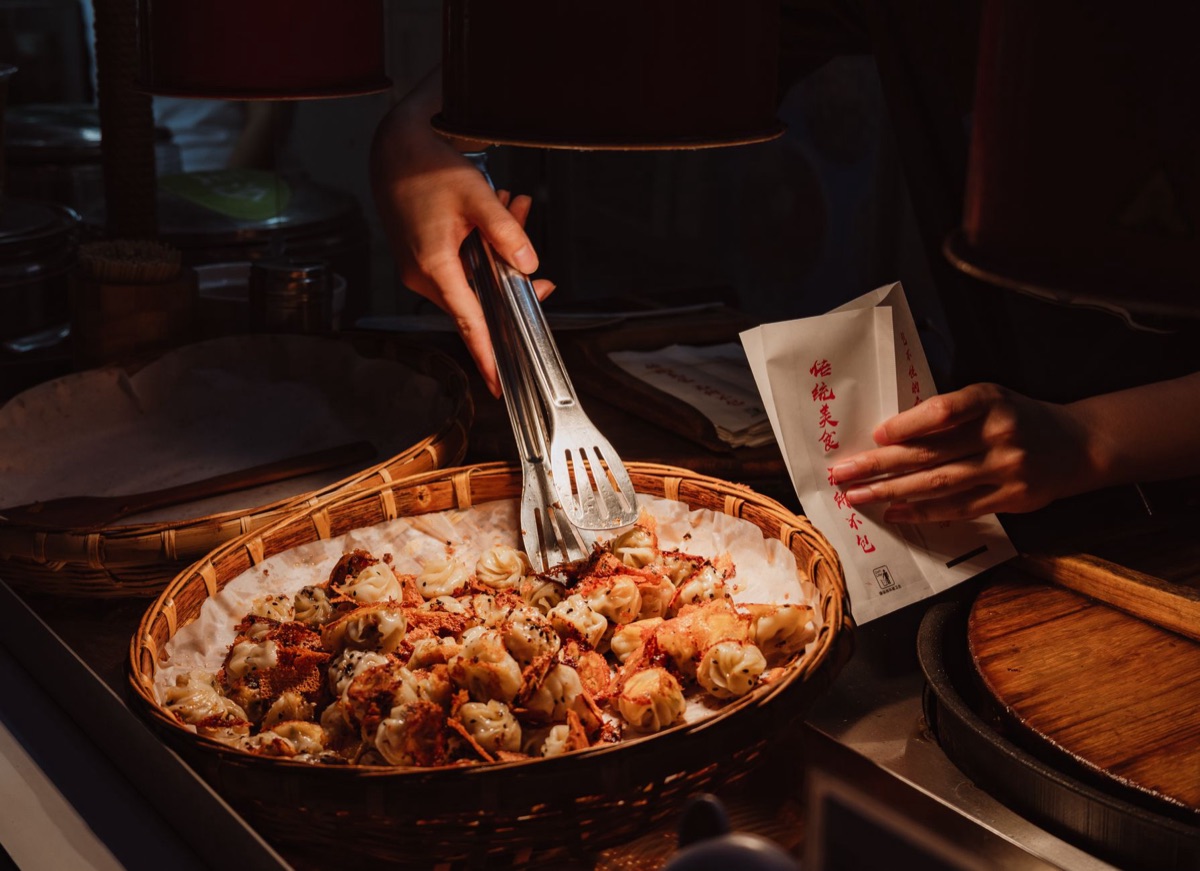
Fueling Your Adventure: Nutrition & Pairing
I sat on a small wooden stool, clutching a warm paper cup of tea, watching the steam swirl from a nearby bowl of spicy soup while wondering how such a small snack could feel so filling. It is a delicate balance of energy and flavor.
According to USDA FoodData Central, the nutritional content of ingredients can be verified through their official database.
When looking at the nutritional aspect, many street foods are carb-heavy, which provides a quick energy boost for travelers on the move.
For instance, comparing the energy density of various grain-based snacks, you will find that plain dough-based items provide steady energy, while those with heavy sugar fillings provide a more immediate spike.
Pairing is an essential part of the flavor science. Spicy dishes are almost always paired with cold, crisp radish pickles or a mild, soothing tea to cleanse the palate between bites. Drinks also play a role in managing the intensity of the food.
While some might reach for a soda, many locals prefer a warm barley tea or a light fermented drink to aid digestion after a heavy, oily meal.
This type of eating is not intended for those on a strict, low-carb diet, as the high carbohydrate content is central to the satisfaction of the meal. It is a high-energy way to eat, designed for people who are actively exploring.
So, how do you navigate these crowded spaces without breaking local social codes?
Essential Dining Etiquette: Eating Like a Local
The vendor nods at you, pointing to a small, empty stool, and you realize that in this crowded space, you are part of a synchronized dance of movement and eating. There is a silent language to the way people occupy these small spaces.
When approaching a busy stall, it is polite to wait for a clear opening or a nod from the vendor before attempting to order. If the stall is crowded, do not be afraid to sit close to others, but keep your personal space organized to avoid spilling food on neighbors.
One of the most important rules is managing heat. Because many items like Hotteok are filled with molten sugar, you must be patient; eating them too quickly can lead to burns, so waiting a few minutes for the filling to stabilize is essential.
Sharing is common but usually happens within a group. If you are eating alone, it is standard to order an individual portion, but if you are with friends, ordering several different items to share is the most common way to experience the full variety of the menu.
Related



Comments 0