Kimchi Guide: How to Master Flavor And Storage Tips
Understanding the diverse characteristics of kimchi varieties and mastery of kimchi storage techniques is essential for anyone wanting to enjoy authentic Korean flavors at home.
This guide covers everything from the spicy crunch of cabbage kimchi to the sweet snap of radish kimchi, providing specific ways to maintain freshness.
You will learn how to distinguish between fermentation stages, how to select the right vessel, and why temperature control is the most critical factor in flavor development.
* Identify the unique flavor profiles of different vegetable bases. * Learn the science of fermentation to manage acidity levels. * Master temperature-controlled storage to prevent over-fermentation. * Differentiate between fresh kimchi and aged kimchi for various recipes.
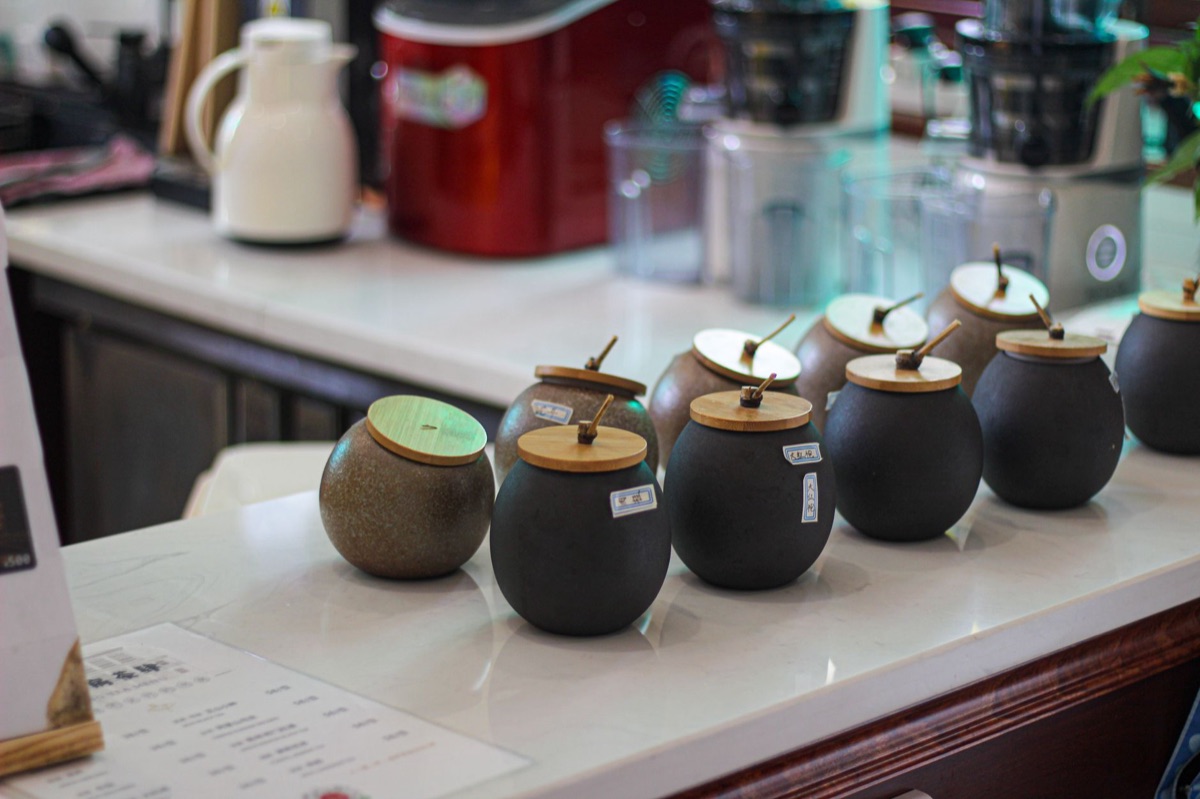
What defines the unique flavor of different kimchi varieties?
A heavy ceramic jar sits on a wooden stand, the lid slightly ajar to reveal the vibrant red of fermenting vegetables. Understanding the diverse characteristics of different kimchi varieties starts with recognizing that the base vegetable dictates the entire texture and acidity profile.
According to the South Korean Ministry of Culture, Sports and Tourism, the term xīnqí (辛奇) was presented in 2021 as the new proper Chinese translation for kimchi.
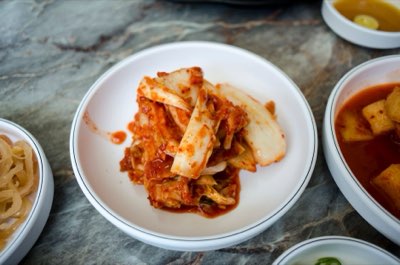
While cabbage provides a soft, layered crunch, radish varieties offer a much firmer, sharper bite.
The primary difference lies in the water content and the structure of the vegetables used. Cabbage-based varieties are often more complex due to the leaves' ability to absorb seasoning deeply, whereas radish-based versions like kkakdugi maintain a crispness even after heavy fermentation.
The salt content and the ratio of chili flakes to fish sauce also shift depending on which vegetable is being prepared.
| Kimchi Type | Primary Ingredient | Texture Profile | Best Use Case |
|---|---|---|---|
| Baechu-kimchi | Napa Cabbage | Soft, layered, juicy | Daily side dish or stew base |
| Kkakdugi | Cube-cut Radish | Crunchy, firm, juicy | Pairing with soups or rice |
| Oi-sobagi | Cucumber | Refreshing, crisp, light | Summer seasonal side dish |
| Dongchimi | Pickled Radish (Water) | Liquid-heavy, cold, crunchy | Refreshing palate cleanser |
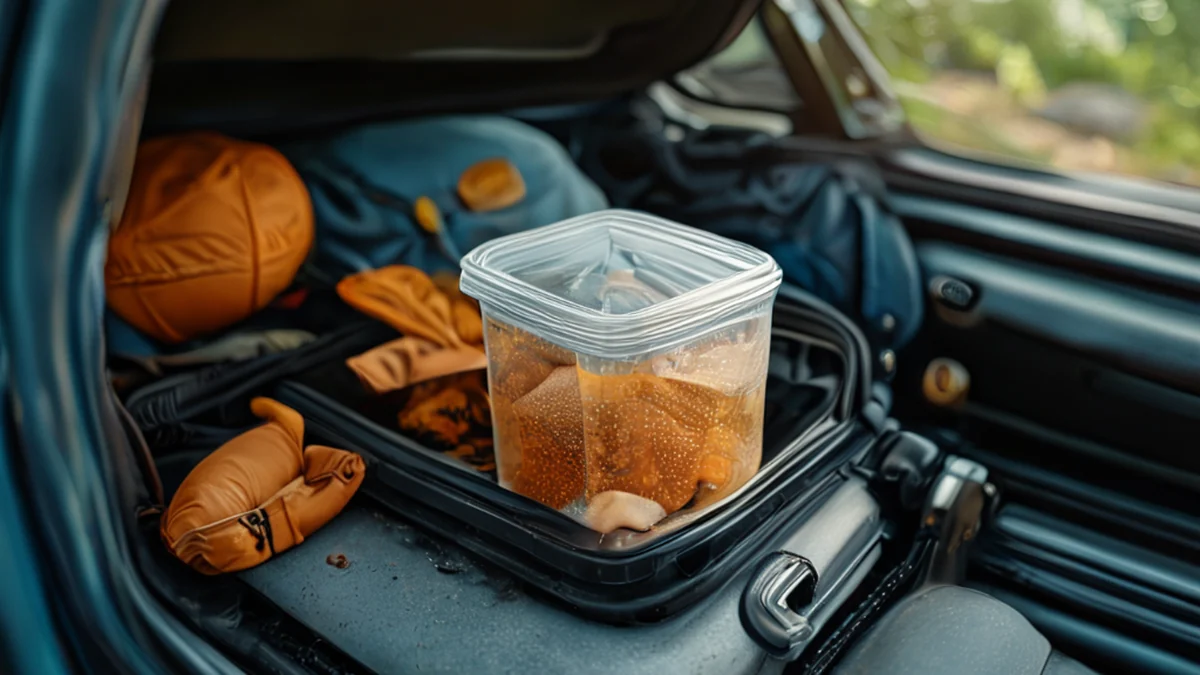
How do you manage kimchi storage to prevent spoely?
The refrigerator door swings open, and a cool mist escapes as you reach for a tightly sealed container. To master kimchi storage techniques, you must understand that fermentation is a living process that continues even inside a refrigerator.
If you do not manage the environment, your kimchi will quickly turn too sour or develop an unpleasant texture.
Effective storage requires minimizing contact with air and maintaining a stable temperature. When you place kimchi in a container, press the vegetables down firmly so the brine covers the solids, acting as a natural barrier against oxygen.
Using airtight, high-quality containers prevents the strong aroma from escaping into the rest of your refrigerator while keeping the moisture locked in.
- Press the solids down into the container to ensure the brine covers the vegetables. 2. Seal the lid tightly to prevent oxygen from entering the fermentation environment. 3. Store the container in the coldest, most stable part of the refrigerator, away from the door. 4. Use a clean utensil every time you scoop to avoid introducing bacteria.
Why does the flavor change so much over time?
A single spoonful of kimchi taken after one week tastes vastly different from a spoonful taken after one month. Understanding the difference in kimchi flavors is essentially a lesson in lactic acid fermentation.
As bacteria consume the sugars in the vegetables, they produce acid, which lowers the pH and creates that signature tang.
In the early stages, the kimchi is "fresh" and tastes mostly of the raw vegetables and seasoning. As fermentation progresses, the acidity increases, the texture softens slightly, and the umami depth grows.
This transition is why some people prefer "geotjeori" (fresh kimchi) for its brightness, while others prefer "mukeun-ji" (aged kimchi) for its deep, complex sourness used in cooking.
I remember opening a jar of kimchi I had tucked away in the back of my fridge after a month; the scent was much sharper than I expected, but the depth of flavor was incredible for making kimchi-jjigae. It was a reminder that time is a deliberate ingredient.
Which kimchi is best for cooking versus eating fresh?
The kitchen light flickers on in the early morning as the cook reaches for a jar of deeply fermented, pungent kimchi. Not all kimchi is created equal when it comes to culinary applications. Choosing the right variety for the right purpose is the difference between a mediocre meal and a masterpiece.
Freshly made kimchi, which has had little to no fermentation time, is perfect for those who want a crisp, spicy salad-like experience. However, for hearty dishes like kimchi-jjigae (stew) or kimchi-bokkeum (fried rice), you need highly fermented, acidic kimchi.
The acidity in aged kimchi helps tenderize meats and provides the necessary "sour" punch that balances salty and savory ingredients in a hot pot.
* Fresh Kimchi: Best for wraps, salads, or eating with plain steamed rice. * Aged Kimchi: Essential for stews, fried rice, and braised dishes. * Water Kimchi: Ideal as a refreshing soup-style side during hot summer months.
How can you maintain the best kimchi taste?
A small spoon dips into a jar, pulling out a perfectly translucent slice of radish. To master kimchi taste maintenance secrets, you must focus on the delicate balance of salt, sugar, and temperature.
If the salt level is too low, the kimchi will become mushy; if it is too high, it will be unpleasantly salty and inhibit the "good" bacteria.
The secret to maintaining flavor is to not disturb the fermentation too much. Avoid moving the container frequently between the warm kitchen and the cold fridge, as temperature fluctuations can stress the bacteria.
Additionally, keeping the vegetables submerged in brine is the single most important way to prevent mold and ensure even fermentation.
This type of preservation is not meant for vegetables that are already soft or bruised. Using low-quality, wilted vegetables will result in kimchi that loses its structural integrity almost immediately. Always start with firm, fresh produce to ensure the fermentation process has a solid foundation.
When I tried the steps in order, the second one is where I paused longest.
Related


Comments 0