Korean food by season: Guide to dietary shifts
"Eating with the rhythm of the seasons has defined the culinary landscape for generations, balancing nutrition with the natural availability of ingredients."
Understanding Korean food by season involves adapting to changing dietary patterns, from shifts in staple grains to the rising consumption of proteins. This guide explores how historical dietary changes and traditional preparation methods shape the way people eat throughout the year.
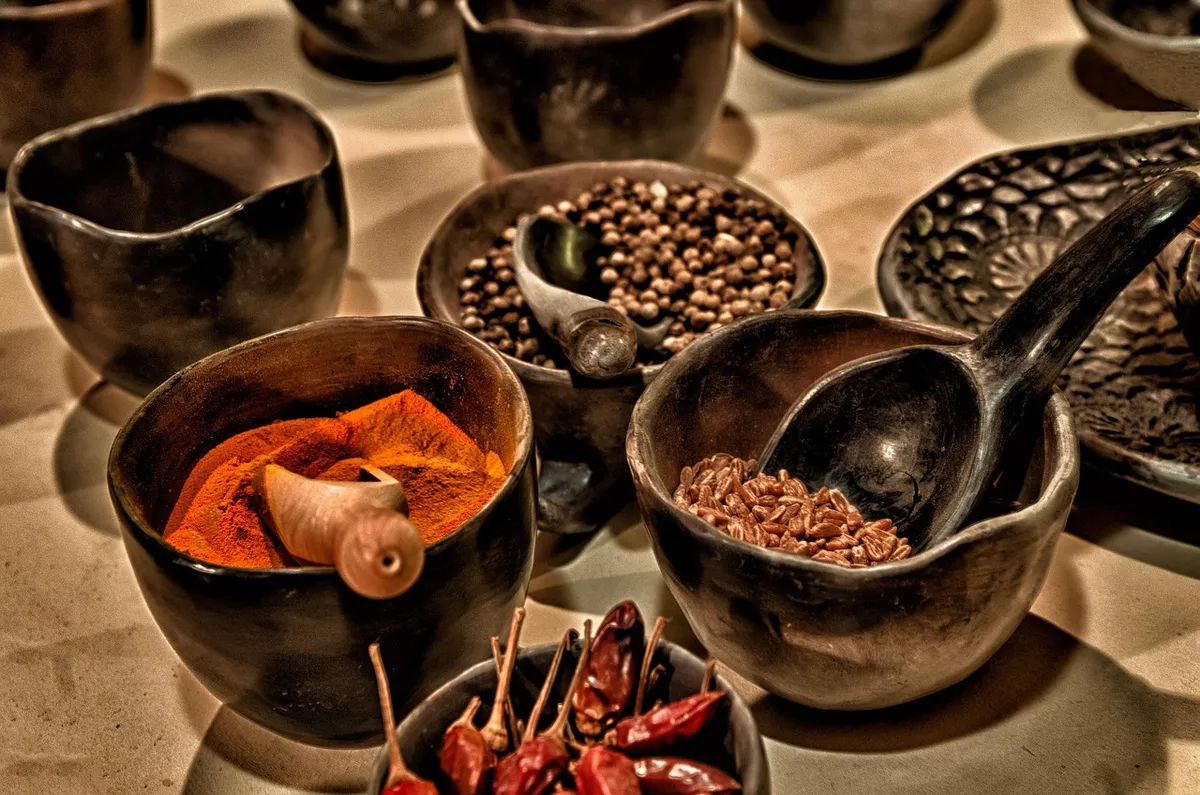
Key takeaways include the transition from rice-heavy diets to higher meat consumption, the importance of fermented staples, and the management of seasonal ingredients.
How has the diet changed over time?
In a dim kitchen, I stare at a massive bowl of grain, feeling the heavy weight of history in this traditional korean meal.
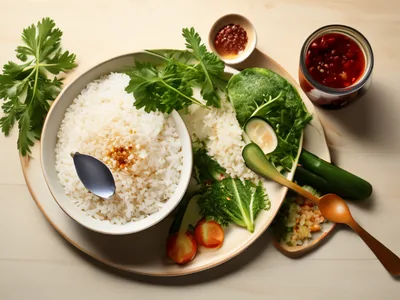
A person sits at a wooden table, looking at a bowl of white rice that seems much larger than the portions served today. The shift in dietary habits shows a clear move from grain-based meals toward more diverse protein sources.
According to Wikipedia, per-capita meat consumption was 3.6 kg in 1961 and rose to 11 kg by 1979. This trend continued upward, reaching 40 kg in 1997, while fish consumption reached 49.5 kg in 1998. These shifts illustrate how the fundamental structure of meals has evolved over the decades.
Why is rice consumption changing? Korean food by season A hand scoops a small portion of rice into a ceramic bowl, noting how the volume of the staple has dwindled. The historical data shows a steady decline in the reliance on rice as a primary caloric source.
Rice consumption continually decreased through the years, starting from 128 kg per person in 1985 to 106 kg in 1995 and further dropping to 83 kg in 2003. This change suggests a diversifying diet where rice is no longer the sole centerpiece.
How is kimchi prepared and its impact?
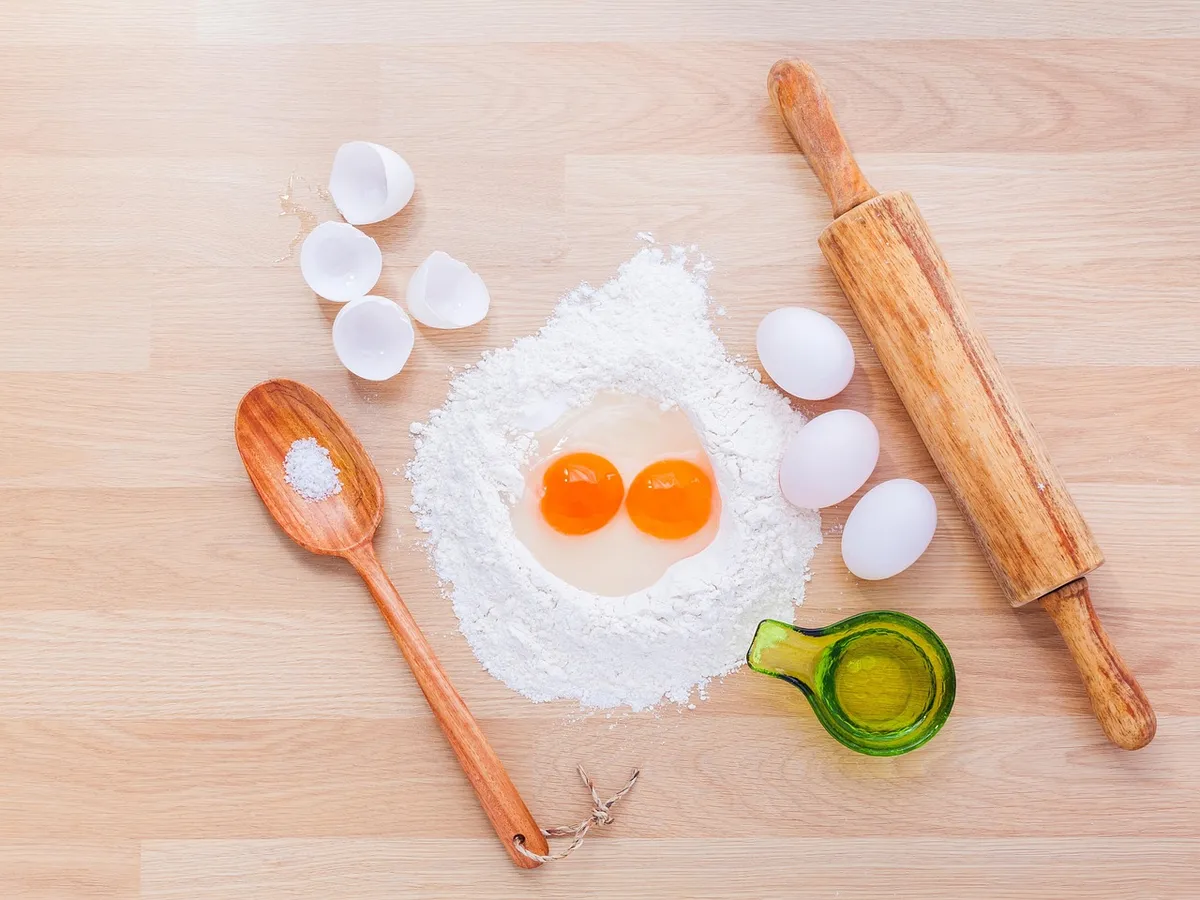
A cook rubs salt into layers of napa cabbage, preparing a large batch for fermentation. This traditional method remains a cornerstone of the culinary identity despite changing modern habits.
Napa cabbage is prepared with much salt, and approximately 20% of sodium intake comes from kimchi. This preparation method is essential for preservation and flavor, though it contributes significantly to daily salt levels.
What are the latest veggie and protein trends? A chef selects fresh greens in the morning and prepares a variety of meat-based dishes for the evening. The balance between plant-based and animal-based foods defines the modern palate.
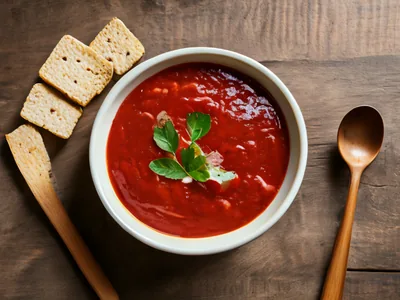
According to USDA FoodData Central, shelf stable tomato juice from concentrate contains 198mg of potassium and 49.8mg of vitamin C per 100g.
The historical rise in meat eating suggests that seasonal vegetable dishes are now often paired with higher protein levels. This transition reflects a move toward more calorie-dense meals compared to the earlier reliance on grains and vegetables.
What are the summer grilling ideas and meat habits?
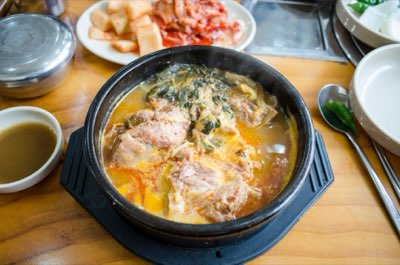
Flames flicker under a grill as fresh meat is prepared for a gathering. The increasing preference for meat has influenced how seasonal meals are planned and executed.
With meat consumption reaching 40 kg in 1997, grilling and protein-heavy meals have become more common. This shift indicates that summer grilling ideas often center on these higher protein volumes rather than just traditional vegetable stews.
What is the autumn harvest bounty and food waste?
An empty basket sits on a table after a harvest, while a person prepares to manage the leftovers. Managing the results of a harvest requires attention to both consumption and waste.
The transition of food habits can lead to different waste profiles in the household. While the amount of waste generated per household dropped from 1.3kg in 1994 to 0.94kg in 2013, managing the bounty remains a key part of seasonal living.
| Metric | Historical Value | Modern/Later Value |
|---|---|---|
| Meat Consumption (kg) | 3.6 kg (1961) | 40 kg (1997) |
| Rice Consumption (kg) | 128 kg (1985) | 83 kg (2003) |
I noticed during my research that the scale of change in rice consumption is quite significant when comparing the 1985 and 2003 figures.
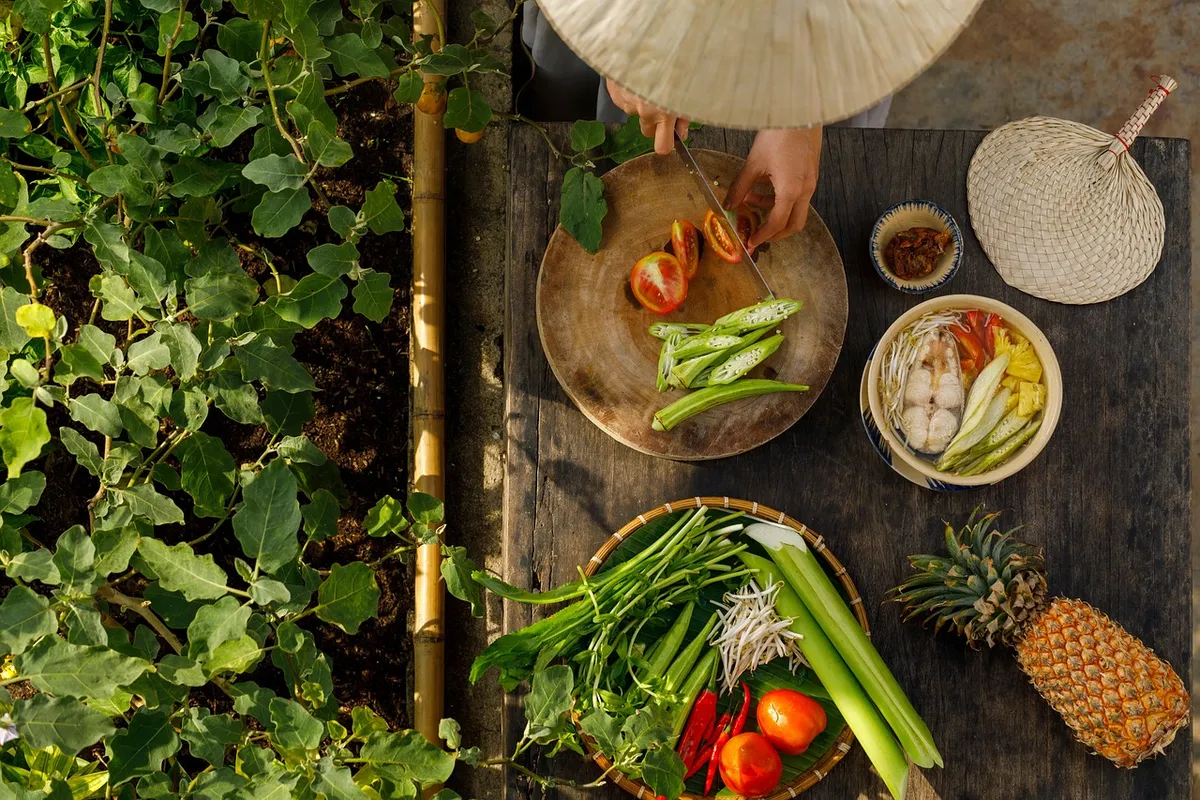
The limitation of this overview is that it relies on historical consumption data which may not reflect specific regional variations in seasonal cooking.
- How has the diet changed over time?
- Why is rice consumption changing?
- How is kimchi prepared and its impact?
The subject here is Korean food by season.
The same subject is also called Seasonal Korean cooking.
The same subject is also called Taste of the season.
The same subject is also called Herbs and foods by time.
The same subject is also called Yearly Korean recipes.
This part also covers Spring vegetable dishes.
Related
- How do you prepare the dough for Korean rice cake cooking?
- Tteokbokki guide: 100 tips for best flavor
How does the rhythm of Eating relate to modern habits?
The comparison between past and present Eating reveals a clear shift in how the rhythm of Eating is maintained. The historical reliance on grains contrasts sharply with the contemporary emphasis on higher protein intake.
This adjustment reflects a broader cultural adaptation to available resources and palates.
The management of seasonal ingredients, therefore, requires understanding this historical context. While the availability of certain vegetables remains constant, the expected caloric density of the meal has shifted significantly over the decades.
This influences the modern approach to balancing the plate.
The continuation of this Eating rhythm means that while the base ingredient might change, the underlying principle of matching diet to availability persists. The transition from a grain-centric diet to one incorporating more meat demonstrates this enduring principle in action.



Comments 0