Tteokbokki guide: 100 tips for best flavor
"The secret to a perfect dish often lies in the careful selection of ingredients brought to the kitchen."
Choosing the right components is essential for anyone looking to master the art of Korean spicy rice cakes. This guide explores the selection process, the importance of texture, and how to balance flavors for a successful meal.
Key takeaways: * Ingredient quality determines the final texture and sauce absorption. * Balancing carbohydrates and seasonings is the core of the recipe. * Time management during cooking ensures the perfect consistency.
How do you begin the Tteokbokki ingredient choice process?
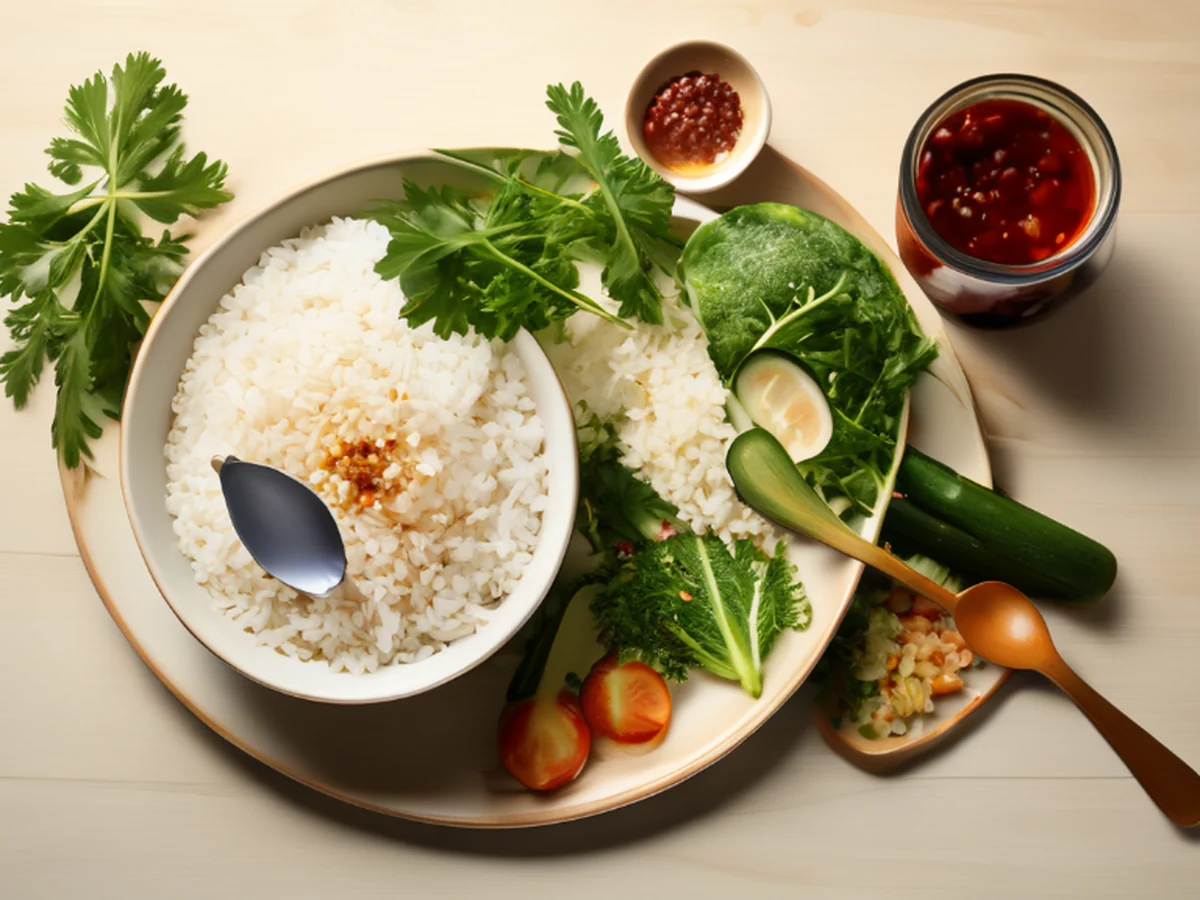
In the quiet kitchen at dawn, I run my fingers over the smooth rice cakes to decide on the foundation for my tteokbokki.
A chef stands in a quiet kitchen, carefully inspecting a bag of rice cakes before placing them on a wooden cutting board. The initial step in a successful Tteokbokki ingredient choice involves selecting the base starch that will define the dish's soul.
According to USDA FoodData Central, tomato juice, with added ingredients, from concentrate, shelf stable, contains 49.8mg of vitamin C per 100g.
Choosing between rice cakes or wheat cakes is the first decision a cook faces. Rice cakes provide a chewy, dense texture, while wheat cakes offer a softer, more elastic bite. Selecting the right base depends on whether you prefer a heavy, satisfying chew or a lighter, sauce-rich experience.
The decision impacts how the sauce clings to the surface. A smooth, polished rice cake might slide against the sauce, whereas a slightly textured surface helps the spice adhere better. This foundational choice sets the stage for all subsequent seasoning additions.
Start by selecting high-quality rice cakes and deciding between chewy or soft textures to set the foundation for your dish.
What are the best seasonings for my tteokbokki?
At midnight in the dim kitchen, I sprinkle red pepper flakes into the pan to see how the heat hits the tteokbokki. A cook stirs a thick, red sauce in a heavy pan, watching as the steam rises to meet the ceiling. Achieving the best pairing for tteokbokki seasonings requires a balance of heat, sweetness, and saltiness to complement the starch.
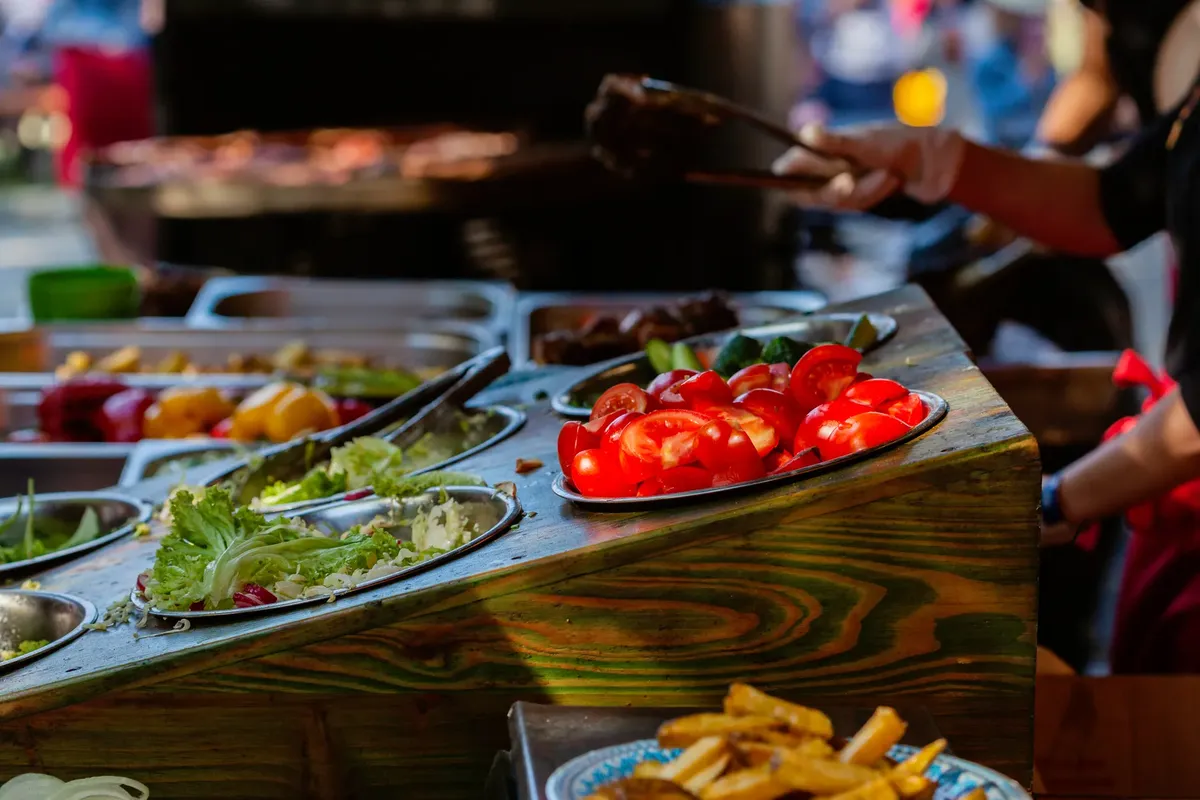
The sauce usually relies on a combination of gochujang (red chili paste) and gochugaru (red chili flakes). While the paste provides depth and thickness, the flakes add a bright, sharp heat. This combination ensures the flavor is layered rather than one-dimensional.
Adding a touch of sugar or corn syrup helps balance the intense spice of the peppers. This sweetness not only rounds out the heat but also creates a glossy sheen on the finished dish. A well-balanced sauce acts as a bridge between the chewy texture and the spicy kick.
Combine gochujang with a touch of sugar and soy sauce to balance heat, sweetness, and saltiness.
How is achieving perfect tteokbokki flavor managed during cooking?
A hand gently shakes a spoon, testing the thickness of a simmering sauce before adding more ingredients. Achieving perfect tteokbokki flavor is a matter of managing heat levels and moisture content simultaneously.
The starch from the rice cakes naturally thickens the sauce as it cooks, which can lead to an overly thick consistency if not monitored. To prevent this, cooks often use a base of dashi, anchovy broth, or even water to maintain a liquid medium.
This liquid allows the flavors to penetrate the center of the cakes.
If the sauce becomes too thick, adding a small amount of liquid can restore the desired consistency. Conversely, if the flavor is too diluted, continuing to simmer the sauce will concentrate the spices. Constant tasting is the only way to ensure the balance remains intact.
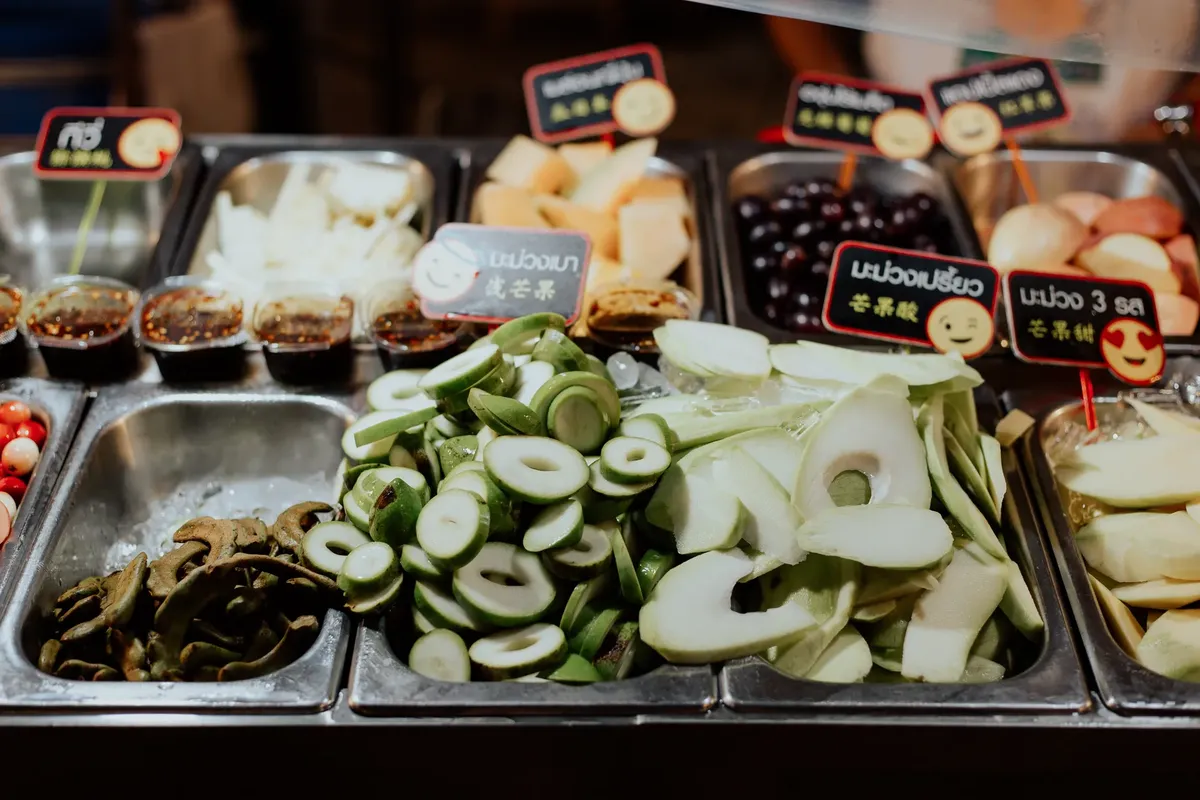
- Simmer the sauce over medium heat to allow the flavors to meld.
- Add the rice cakes and stir gently to prevent sticking.
- Reduce the heat once the sauce reaches a thick, glossy consistency.
What are the traditional ratios for a balanced meal? A person sits at a small wooden table, preparing to eat a steaming plate of spicy rice cakes. Understanding traditional tteokbokki ratios helps in recreating authentic flavors at home.
While exact measurements vary by household, the ratio of sauce to cake is critical for a successful meal. Generally, the volume of the liquid base should be sufficient to partially submerge the cakes during the initial simmer.
This ensures the starch is cooked through without the sauce becoming too heavy too quickly.
A common approach is to use a higher ratio of sauce to solids to account for the absorption that happens during the cooking process. If the ratio is too low, the dish may end up dry and clumpy. If it is too high, the flavors might feel thin and watery.
A standard approach involves using a higher ratio of sauce to rice cakes to ensure every piece is thoroughly coated.
How can you master a Rice cake recipe base?
A cook carefully measures out flour and water, preparing to shape fresh dough by hand. A solid Rice cake recipe base requires understanding the ratio of glutinous rice to regular rice to control the final hardness.
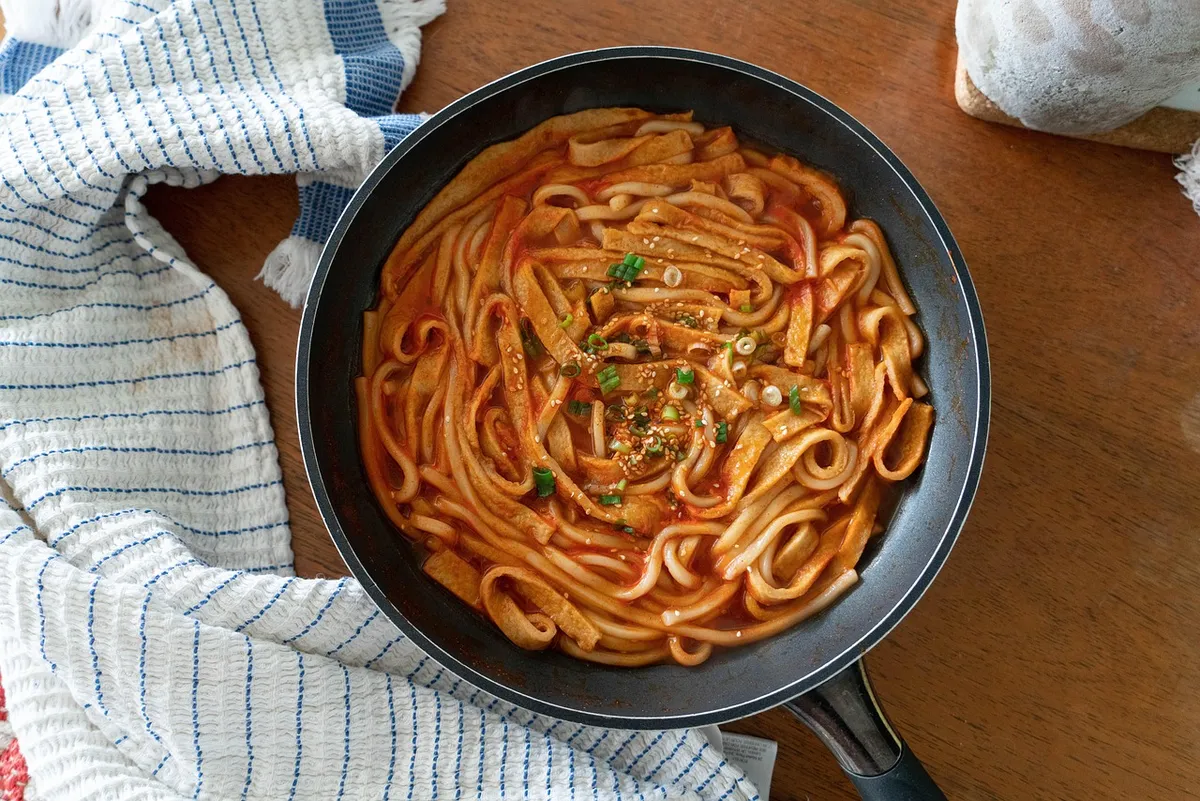
Using 100% glutinous rice results in an extremely soft and sticky texture, which can become difficult to eat if overcooked. Mixing it with regular rice provides a more structured bite that holds up better to heavy sauces. This balance is key to preventing the cakes from turning into a mushy mass.
I once tried making my own cakes from scratch, and I found that adjusting the rice proportions changed the entire eating experience. Finding the right balance between softness and firmness is a rewarding challenge for any home cook.
Testing the texture is the final check. Press the cake gently with a spoon; it should offer a slight resistance before yielding to a soft center.
Focus on mastering the consistency of the sauce, as the starch from the rice cakes will naturally thicken the liquid as it cooks.
Related
- Korean Seasonal Cooking Why It Matters For Health
- Why is Korean mackerel delicious? Pairing with side dishes
When is the secret to a perfect dish revealed?
The secret to a perfect dish is revealed when the textures and flavors reach a harmonious equilibrium during the final stages of cooking. This equilibrium is achieved when the rice cakes have absorbed the necessary liquid while the sauce has achieved its desired viscosity.
According to the Black and White Alliance, contestants had 100 minutes to cook a dish using only the ingredients they brought for the Black and White Alliance Match.
- The initial simmering allows the liquid to penetrate the cake structure. 2. The gradual thickening of the sauce signals that the starch has begun its work. 3. The final consistency indicates that the balance between the liquid base and the cake has been struck.
The true depth of flavor is revealed in the final moments when the sauce clings perfectly to the rice cakes.
What cautions must be observed during the cooking process?
Cautions must be observed regarding the heat application and the moisture balance throughout the entire cooking duration. Ignoring these conditions risks an unbalanced outcome, compromising the initial ingredient quality.
- Monitoring the heat prevents the sauce from reducing too rapidly into a solid mass. 2. Continuously tasting the mixture allows the cook to adjust the liquid content as needed. 3. The initial selection of the base starch dictates how much liquid the dish will ultimately require. This careful management is key to the secret of a perfect dish.



Comments 0