Dubu Kimchi: Unlock Deep Savory Layers with Perfect Ratios
Unlock the deep, savory layers of Dubu Kimchi by mastering the precise ratios of its accompanying sauces and ingredients.
The secret to a perfect plate of Dubu Kimchi lies in the tension between the silent, creamy warmth of fresh tofu and the loud, acidic punch of well-fermented kimchi. When these two opposites meet, they create a harmony that is both comforting and electrifying.
* The balance between soft tofu texture and sharp kimchi acidity is the core of the dish. * Achieving deep savory notes requires a specific ratio of fermented pastes and liquids. * This dish is a complete, satisfying pairing that works as a meal or a heavy snack.
🍚 Why does the flavor hit so hard?
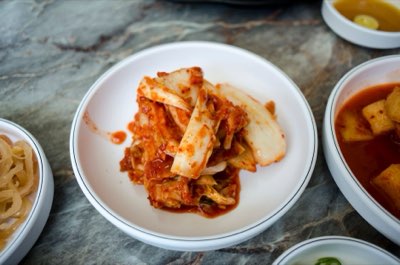
A heavy ceramic plate sits on a wooden table in a dim Seoul tavern in late 2025, steam rising from a pile of bright red, stir-fried cabbage next to blocks of pristine white tofu. You pick up a piece of tofu with your chopsticks, feeling its warmth, and then scoop a bit of the spicy cabbage on top.
The magic of Dubu Kimchi is found in the interplay of opposites. The tofu acts as a soft, neutral canvas that absorbs the heavy seasoning of the kimchi without being overwhelmed. While the kimchi provides a sharp, complex punch of fermentation, the tofu offers a creamy, cooling relief.
Texturally, you are moving between the silky smoothness of the bean curd and the crunchy, slightly chewy bite of cabbage that has been softened by heat. The sauce acts as the bridge, binding the two components together with salt, sugar, and spice.
For the best results, you should aim for a temperature contrast. While many people enjoy boiled tofu for a clean taste, pan-frying the tofu to create a slight golden crust provides a much more robust eating experience.
But if the tofu is the canvas, how do you prepare the paint?
🌶️ How do you master the perfect flavor ratio?
The kitchen smells of toasted sesame oil and the sharp, vinegary tang of fermented cabbage as you stir the heavy pot over a medium flame in your kitchen in early 2026. You realize that fresh kimchi simply won't work here; it lacks the depth needed to stand up to the tofu.
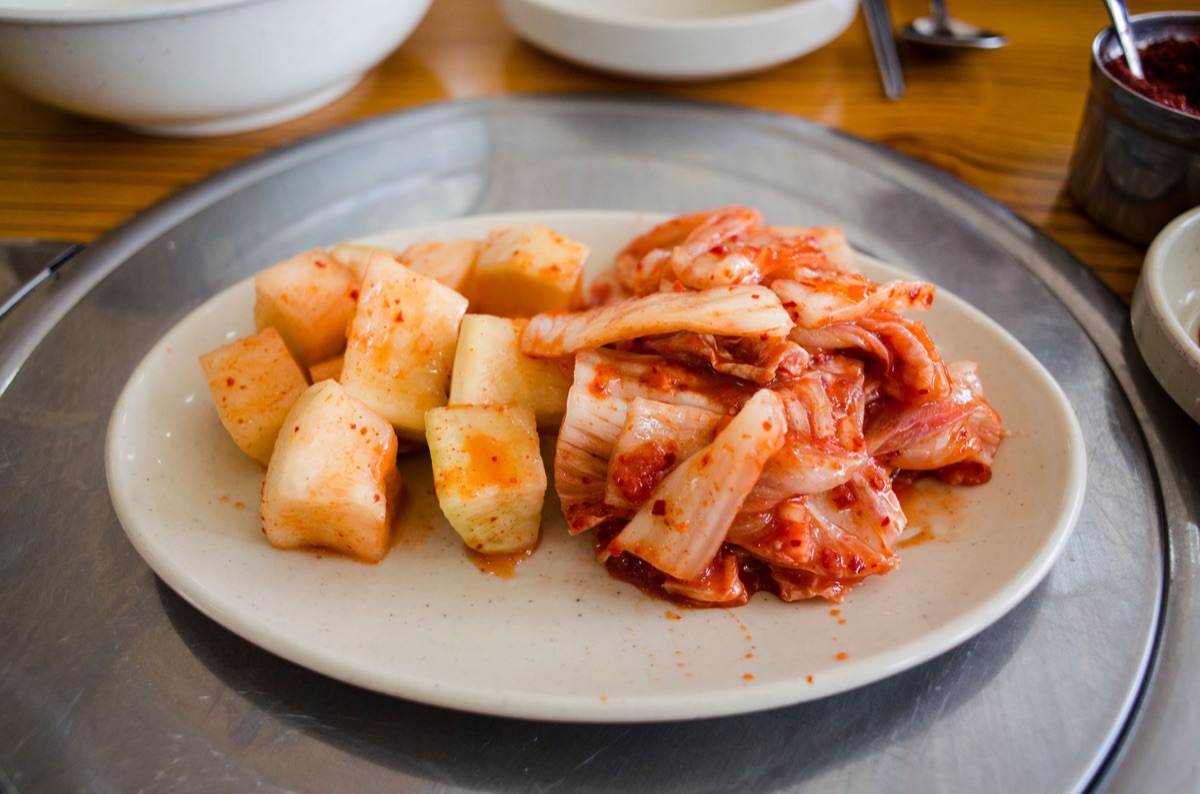
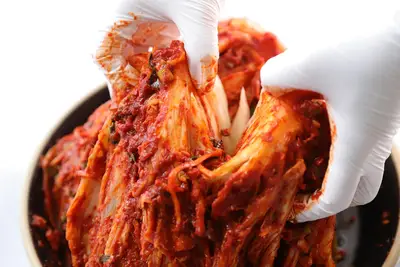
To master this dish, you must start with "sour" kimchi. The fermentation process produces the acidity and depth that defines the flavor profile. If your kimchi is fresh and crunchy rather than fermented, it will taste too much like a salad and not enough like a soul-food staple.
The sauce is built on a balance of heavy fermented pastes and bright liquids. You want to combine the heat of Gochujang (Korean chili paste) with the salty, earthy depth of Doenjang (soybean paste).
To brighten the heavy fermented notes, a splash of vinegar or a touch of sugar is often necessary to round out the sharp edges.
A reliable starting ratio for the flavoring liquids helps ensure consistency. Try using two parts reserved kimchi juice to one part soy sauce, with half a part of sesame oil to add a nutty aroma.
This ratio ensures the liquid is flavorful enough to coat the cabbage but thin enough to soak into the tofu.
However, even the best sauce cannot save a crumbling foundation.
🥚 Why is tofu preparation the most important step?
You stand over the stove, carefully sliding blocks of tofu into a pan of shimmering oil, watching as the edges turn a pale, toasted gold. The sound of the sizzle is heavy and rhythmic in the quiet kitchen.
Choosing the right tofu is the most important technical decision. For this dish, firm or extra-firm tofu is essential. If you use soft or silken tofu, it will crumble under the weight of the kimchi and lose its structural integrity, turning the dish into a messy porridge.
To achieve the perfect texture, you can either blanch the tofu in boiling water or pan-fry it. Blanching keeps the tofu clean and pure, while pan-frying creates a structural crust that holds up to heavy toppings.
If frying, ensure the tofu is patted completely dry with paper towels first to prevent oil splattering.
Cook the tofu over medium heat for about 3 to 5 minutes per side. You want the exterior to be slightly firm to the touch while the interior remains soft. This slight crispness on the edges enhances the overall eating experience by providing a structural snap against the soft cabbage.
When I tried this in a small kitchen in Busan last year, I realized that even a 30-second difference in frying time changed the entire mouthfeel.
But once the components are ready, the real challenge begins: the assembly.
🔄 How do you bring the elements together?
The table is set with two large plates: one piled with the dark, red-stained cabbage and the other with neatly sliced blocks of white tofu. You carefully slide the kimchi to one side of the plate, ensuring the juices don't completely soak the tofu before the first bite.
There are two ways to assemble: serving the kimchi as a topping or serving them as side-by-side components. For a cleaner eating experience, keeping them as distinct blocks on a single large platter is preferred. This allows each person to control their own ratio of tofu to kimchi.
The warmth of the components is vital. The kimchi should be served hot from the pan, and the tofu should be warm to the touch. If the tofu is cold, the fat in the kimchi sauce will congeal, making the dish feel heavy and greasy rather than fresh.
For a beautiful presentation, use a large, flat ceramic platter. Arrange the tofu in a neat row or a circle, and nestle the stir-fried kimchi in the center or on one side. This visual contrast between the bright white and deep red makes the dish instantly appetizing.
Getting the assembly right is just the beginning; there is always room to add more depth.
🍚 How can you elevate the experience?
A late-night crowd gathers around a low table, sharing plates of steaming food and toasted drinks as the city hums outside. The kimchi is piled high with sliced pork belly, adding a smoky, fatty layer to the spicy cabbage.
While the basic version is delicious, you can elevate the dish with various additions. Adding thin slices of pork belly (Samgeopsal) to the kimchi while frying it introduces a rich, savory fat that makes the dish incredibly decadent.
For a vegetarian-friendly twist, consider adding sliced shiitake mushrooms to the kimchi stir-fry. The earthy, umami-rich mushrooms mimic the depth of meat and pair beautifully with the fermented cabbage.
Because of its heavy, savory profile, Dubu Kimchi is the ultimate *Anju*—a category of Korean food specifically designed to be eaten with alcohol. It is robust enough to stand up to savory drinks and provides a satisfying, filling end to a meal.
| Element | Function | Best Type/Method |
|---|---|---|
| Kimchi | The acidic, spicy punch | Well-fermented (sour) |
| Tofu | The creamy, neutral canvas | Extra-firm (pan-fried) |
| Sauce | The flavor bridge | Ratio of juice, soy, and oil |
| Protein | The heavy, savory layer | Optional (Pork belly/Mushrooms) |
🛠️ The Ultimate Assembly Checklist
Follow these steps to ensure your dish is restaurant-quality every time:
- Prepare the Tofu: Pat the extra-firm tofu completely dry with paper towels to ensure a crispy exterior.
- Fry the Base: Sauté the well-fermented kimchi in a pan with a little sesame oil for 5 to 7 minutes until the edges soften.
- Sear the Tofu: Pan-fry the tofu blocks for 3 to ly 5 minutes per side until golden.
- Combine the Sauce: Mix the kimchi juice, soy sauce, and a touch of sugar in a small bowl before drizzling over the cabbage.
- Plate Carefully: Place the warm tofu on a large platter and nestle the hot kimchi next to it to prevent the tofu from getting soggy too quickly.
❓ FAQ
Q: Is this dish meant to be eaten piping hot or warm? A: The kimchi should be served hot from the pan to ensure the flavors are vibrant, while the tofu should be warm. If the tofu is too hot, it may become too soft to handle with chopsticks.
Q: Can I use slightly under-ripe kimchi? A: It is not recommended. If your kimchi is fresh and lacks acidity, the dish will taste flat. You can compensate by adding a teaspoon of rice vinegar to your kimchi sauce to mimic the fermented tang.
Q: What is the best way to store leftovers? A: Store the kimchi and tofu in separate airtight containers in the refrigerator. Reheat the kimchi in a pan to refresh the flavors, and microwave or pan-fry the tofu briefly to restore its texture.
A Note on Limitations While this guide works for most flavor profiles, it is not intended for those looking for a low-sodium diet. The heavy use of fermented pastes and soy sauce means this is a salt-forward dish.
Additionally, if you are using silken tofu, the frying method described will not work; stick to blanching for softer varieties.
The balance of heat and cool, soft and crunchy, makes this dish a masterpiece of simple ingredients. Once you master the ratio of the sauce and the texture of the tofu, you can recreate this restaurant-quality experience in your own kitchen.



Comments 0