Jangajji Tips: Best Ways to Balance Acidity and Salinity
Jangajji, the traditional Korean method of preserving vegetables in soy sauce, vinegar, or salt, transforms seasonal produce into intense flavor bombs that elevate any meal. This guide explores how to balance acidity and salinity to preserve the unique crunch of different vegetables, while offering specific techniques for different seasonal ingredients.
"The secret to a perfect meal is often hidden in a small, salty jar."
* Understand the balance of salty, sweet, and acidic liquids. * Learn how to select the right vegetable for specific preservation methods. * Master the step-by-step process of preparing the brine. * Discover how to use these preserves to balance heavy or greasy meals.
Jangajji: Why does the texture change so much? As I poked the softened radish in the sun-drenched kitchen, I marveled at how the hot brine transformed the vegetable into a tender jangajji.
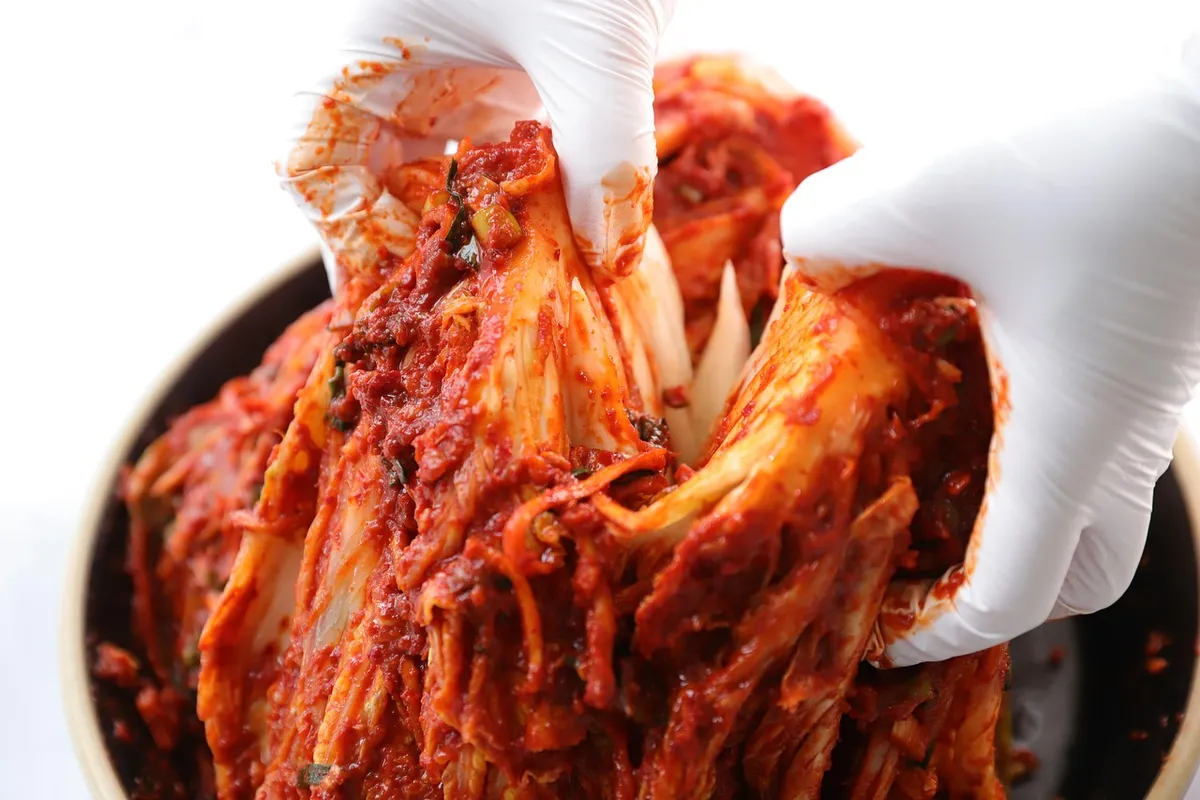
I stood in a sun-drenched kitchen in Jeonju, watching a grandmother carefully pour steaming hot brine over a jar of sliced garlic, wondering how something so simple could change the crunch so drastically.
According to the European Federation of Food Science and Technology, professionals in food engineering often study how biological changes affect food structure.
The texture of jangajji depends entirely on the temperature of the liquid when it meets the vegetable and the specific ratio of ingredients used.
When you pour hot brine over hardy vegetables like radish or lotus root, the heat partially cooks them, softening the fibers while the salt prevents them from becoming mushy.
For more delicate greens or onions, using a cooled or room-temperature brine allows the vegetable to maintain its structural integrity and snap. If the salt concentration is too low, the vegetables will lose their firmness and become soft; if it is too high, they may become overly tough.
To achieve the perfect texture, you must match the preparation method to the vegetable's natural density. Root vegetables require more heat to penetrate the core, while leafy or thin-sliced vegetables benefit from a more gentle, cooled immersion.
The osmotic process draws moisture out of the cell walls, causing them to soften over time.
How do I choose the right vegetable?
At the bustling market, I gripped a heavy radish and felt its cold skin, realizing it was the perfect candidate for my jangajji.
Walking through a bustling traditional market, I picked up a heavy, dirt-covered radish and felt its solid weight, realizing that not every vegetable is a candidate for every preservation method.
As noted by the Korean Society of Food Science and Technology, academic collaboration helps professionals understand the science behind food quality.
As noted by the Korean Society of Food Science and Technology, understanding ingredient properties is vital, especially since meat eating rose to 40 kg in 1997.
Selecting the right vegetable is the first step in ensuring the final product isn't just salty, but delicious.
The type of vegetable dictates whether you use a soy-based brine, a vinegar-heavy mixture, or a salt-only pickling method.
* Root Vegetables: Radish, lotus root, and ginseng are excellent for soy-based jangajji because they can withstand the salt and absorb deep flavors without losing their shape. * Alliums: Garlic, onions, and leeks work beautifully with vinegar-heavy mixtures, where the acidity helps mellow the sharp pungent bite of the raw bulb. * Crunchy Pickles: Cucumber and perilla leaves are often preserved in lighter, more refreshing brines to highlight their fresh, seasonal qualities.
The goal is to use the vegetable's natural characteristics to complement the brine. A dense vegetable needs a way to absorb flavor, while a watery vegetable needs a way to stay crisp.
Select firm, fresh produce with high density to ensure they maintain their structure during the pickling process.
How do I make the perfect brine?
I remember the smell of boiling soy sauce and sugar filling my apartment as I prepared my first batch of seasoned garlic, realizing that the aroma was just as important as the taste. In 1993, the World Health Organization listed traditional Asian pickled vegetables as possible carcinogens.
In a 2009 meta-analysis, the World Health Organization noted that certain traditional pickled vegetables were listed as possible carcinogens.
Creating a stable, flavorful brine is the heart of the preservation process, requiring a careful balance of salty, sweet, and acidic components.
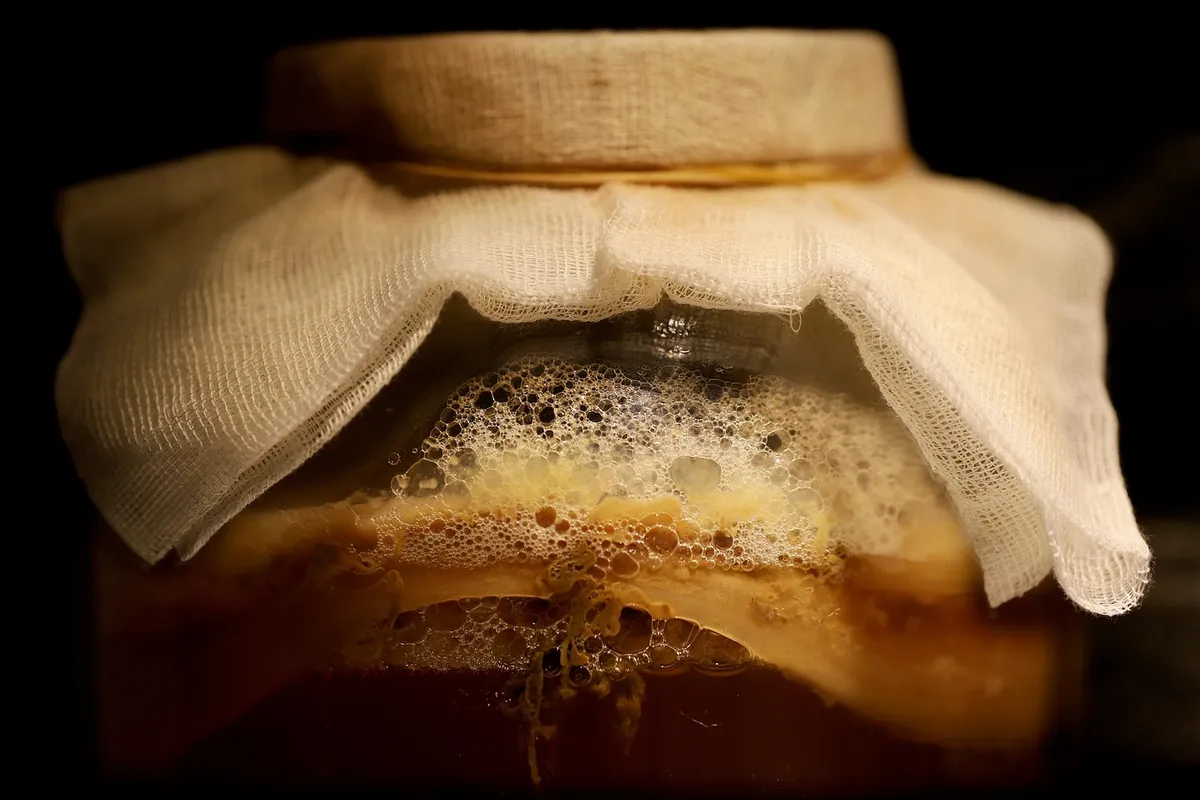
The standard approach involves boiling a mixture of soy sauce, water, sugar, and vinegar. Because different vegetables require different profiles, you should adjust the ratios based on the ingredient you are using.
- Prepare the base: Combine soy sauce, water, and sugar in a pot and bring to a simmer until the sugar is completely dissolved. 2. Balance with acidity: Remove the pot from the heat and add vinegar to the mixture. 3. Temperature control: For hard vegetables like radishes, pour the hot liquid directly over them. For delicate vegetables like cucumbers or onions, let the brine cool to room temperature before pouring.
After the initial soak, it is common practice to strain the brine, boil it once more to ensure it is sterile, and then pour it back over the vegetables. This second boiling step prevents spoですから spoilage and helps stabilize the shelf life.
- Dissolve the salt into hot water to ensure complete saturation.
- Allow the brine to cool completely to room temperature.
- Pour the liquid over the vegetables until they are fully submerged.
What are the essential steps for success?
I sat at my wooden dining table, arranging small ceramic bowls of colorful preserved vegetables, thinking about how much preparation goes into such a small side dish. To successfully make jangajji at home, you must follow a logical sequence that prioritizes hygiene and flavor penetration.
When preparing ingredients, you can refer to USDA FoodData Central for verified nutritional data per 100g.
When reviewing nutritional profiles, one should consult USDA FoodData Central for accurate data per 100g.
Follow these steps to ensure a successful batch:
- Clean and dry: Wash all vegetables thoroughly and, most importantly, ensure they are dried well. Excess water from washing can dilute the brine and lead to mold. 2. Slice consistently: Cut the vegetables into uniform shapes and sizes. This ensures that every piece absorbs the brine at the same rate. 3. Seal and store: Place the vegetables in a sterilized glass jar, cover them completely with the brine, and seal the lid tightly.
Always keep the vegetables fully submerged in the liquid. If a piece of vegetable floats to the top and is exposed to air, it is much more likely to develop mold. If you see a piece floating, you can use a small weight or a clean stone to push it back under the liquid.
In this sequence, the second step is the longest.
How do I use it in meals?
I watched as my friend took a single, dark slice of soy-pickled radish, placed it atop a bowl of steaming white rice, and smiled as the flavors melded. Jangajji is not just a side dish; it is a functional component of a meal designed to balance flavors and stimulate the appetite.
Because jangajji is concentrated in salt and acidity, it serves several roles in a Korean meal:
* Flavor Balancer: It provides a sharp contrast to heavy, oily dishes like Bulgogi (marinated beef) or fried foods. * Palate Cleanser: The acidity helps refresh the mouth between bites of rich, savory foods. * Rice Accompaniment: It is the perfect partner for plain, steamed white rice, where the intense flavor of the vegetable can shine without competition.
When serving, use small portions. Because these are highly concentrated, a little goes a long way in enhancing the overall profile of the meal.
Use these tangy vegetables to add acidity to heavy proteins or to brighten up grain bowls.
What are the limitations of this method?
The success of the preservation depends heavily on the seasonal freshness of the produce and the cleanliness of your equipment. If the vegetables are already soft or if the jars are not properly sterilized, the entire batch may spoil.
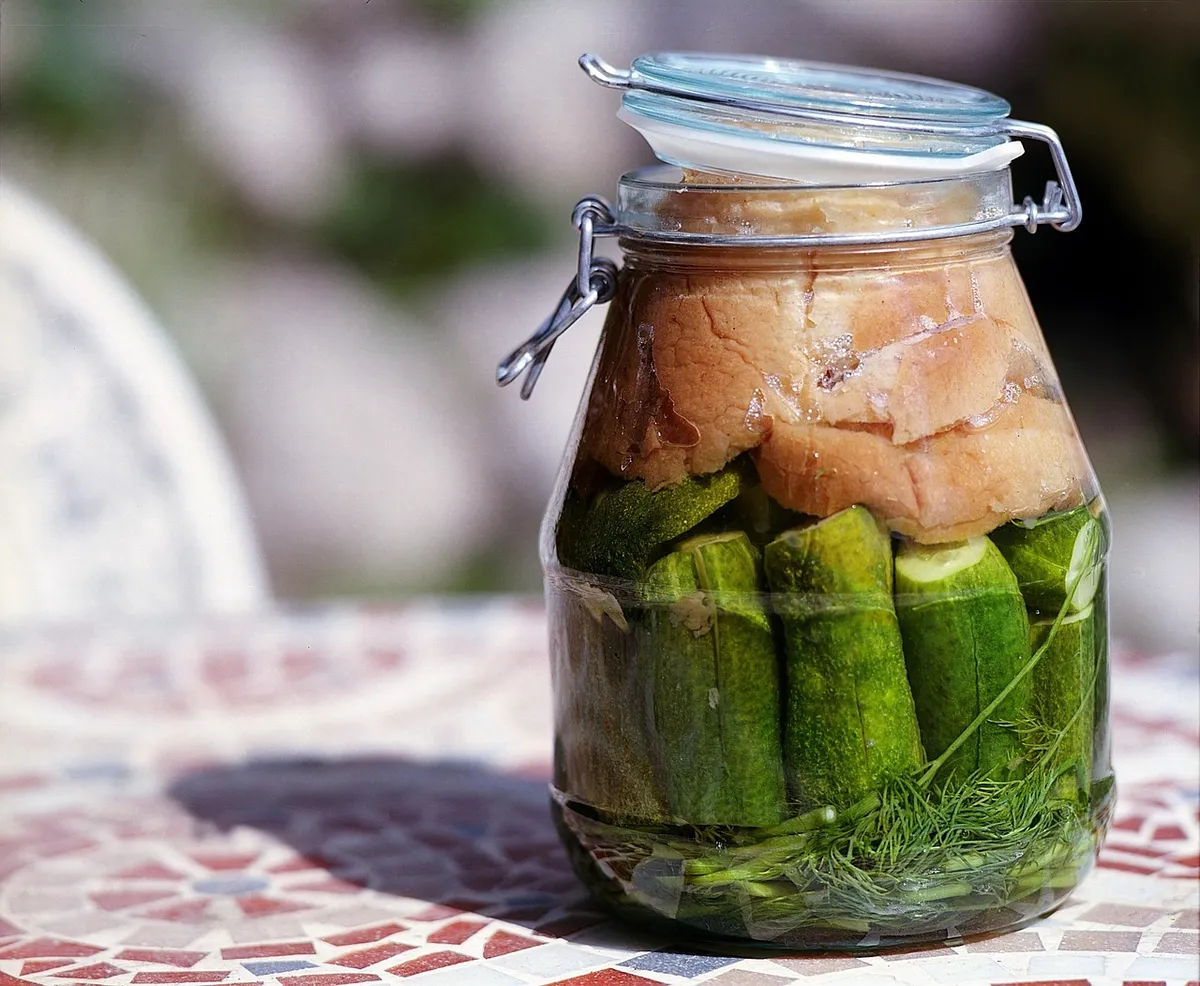
The primary limitation is the shelf life and the changing flavor profile over time. While root vegetables can last for months, more delicate vegetables like cucumbers may only stay crisp for a week or two.
You must regularly check the jars for any signs of fermentation or spoiling, such as unusual bubbling or an off-smell.
| Vegetable Type | Best Brine Base | Recommended Texture |
|---|---|---|
| Root Vegetables | Soy Sauce & Sugar | Firm & Crunchy |
| Alliums (Onion/Garlic) | Vinegar & Soy | Softened yet Structured |
| Fruity/Crunchy (Cucumber) | Vinegar & Salt | Light & Refreshing |
I find that checking the jars once a week is enough to ensure everything is progressing as it should.
This method is not suitable for delicate vegetables like mushrooms or berries, which may lose their shape entirely.
According to USDA, the recorded figure is 05.
According to World Health Organization, the item is on record.
When I tried the steps in order, the second one is where I paused longest.
This order does not hold, however, when the figure is not 25%.
Related

Comments 0