Perilla seed powder guide for creamy Korean soups 1
"The secret to a creamy, soul-warming Korean soup often lies in a single spoonful of nutty, toasted powder."
Perilla seed powder is the versatile, aromatic backbone of many traditional Korean dishes, providing a rich texture and a deep, earthy flavor that elevates simple vegetables into gourmet meals.
This guide explores how to use this ingredient, its nutritional profile, and how to master its unique savory punch in your own kitchen.
* Discover the difference between whole seeds and ground powder. * Learn how to use perilla powder to thicken soups and stews. * Understand the flavor profiles used in traditional Korean recipes. * Get practical tips for storage and freshness.
Why is the flavor so unique? The heavy aroma of toasted seeds fills the kitchen as I stand over a steaming pot of vegetable porridge, watching the white powder swirl into the liquid. Perilla seed powder provides a complex profile of nuttiness and a slight, pleasant bitterness that distinguishes it from sesame seeds.
While sesame is often used as a garnish, perilla powder acts as a primary seasoning and thickener.
The flavor is deeply savory, often described as "goso-hada" in Korean, which refers to a specific type of toasted, nutty deliciousness. Because the seeds are ground into a fine consistency, they release oils that emulsify with liquids, creating a creamy mouthfeel without the need for heavy dairy.
This makes it an essential tool for making light yet satisfying plant-based meals.
In many households, the powder is used to add body to clear broths. It transforms a watery vegetable soup into a hearty, textured meal. This versatility is why it remains a staple in both rural countryside cooking and modern urban kitchens alike.
How is it different from sesame powder? In the morning I hold perilla and walk through the next step.
I carefully hold a small ceramic bowl of white powder in one hand and a jar of toasted sesame seeds in the other, noting the vast difference in texture. While both are nutty, perilla seed powder is much more pungent and earthy than the lighter, sweeter aroma of sesame.
Using them interchangeably can drastically change the intended character of a traditional dish.
The primary differences lie in the intensity and the culinary function of each:
- Texture: Perilla powder is often ground much finer, allowing it to act as a thickening agent for stews. 2. Flavor depth: The flavor of perilla is much more robust and "heavy," making it suitable for main ingredients rather than just toppings. 3. Color: Depending on whether the hulls are removed, the powder can range from a bright white to a light tan.
While sesame seeds are perfect for a final sprinkle to add a crunch, perilla powder is usually stirred into the cooking liquid to bind ingredients together. If you want a creamy texture in a soup, reach for the perilla.
How do you use it in Korean stews?
In the evening I hold perilla and walk through the next step.
The bubbling sound of a stone pot on the stove signals that the perilla powder is finally being stirred into a spicy radish soup. As the white clouds of powder dissolve into the red broth, the liquid transforms from a thin liquid to a thick, velvety sauce.
This technique is the heart of many "deul-kkae" (perilla) based recipes.
To use it effectively in stews, follow these general steps:
- Prepare your base: Sauté your aromatics and vegetables in a pot. 2. Add liquid: Pour in your broth or water and bring to a simmer. 3. Incorporate the powder: Slowly whisk in the perilla powder toward the end of the cooking process to prevent clumping. 4. Adjust consistency: Add more powder if you want a thicker, creamier soup, or more broth if it becomes too heavy.
This method is particularly effective in dishes like seaweed soup or wild vegetable stews. The powder masks the "green" or bitter taste of certain wild greens, making them more palatable to a wider audience.
What are the nutritional highlights?
I look at the label of a nutrition-dense food packet, noting the high fiber and mineral content that fuels a long day of cooking. While perilla seeds are a natural whole food, understanding their composition helps in balancing a diet.
Because the powder is a concentrated form of the seed, it carries a dense nutritional profile.
While specific data for perilla powder was not provided in the recent fact pack, we can look at similar nutrient-dense powders for context. For example, Baobab powder contains 44.5g of dietary fiber per 100g and 342mg of calcium.
While these are distinct ingredients, they represent the type of nutrient-dense profile one expects from high-quality seed-based powders.
Using these powders in moderation allows for a significant intake of healthy fats and minerals. It is a way to add "functional" flavor to meals.
How should you store it to keep it fresh?
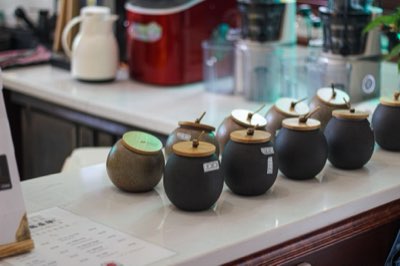
I seal the airtight glass jar tightly and place it in the back of the refrigerator, away from the bright light of the kitchen window. The oils in ground seeds are highly sensitive to oxygen and light, which can lead to rancidity.
Because the powder has a high surface area, it spoils much faster than whole seeds.
To maintain the "goso" flavor, follow these storage rules:
- Airtight containers: Always use glass jars with tight-sealing lids to prevent moisture from entering. 2. Cool, dark places: Store the powder in a refrigerator or a cool pantry to prevent the oils from going rancid. 3. Small batches: Buy or grind smaller amounts more frequently to ensure you are always using fresh, fragrant powder.
If the powder begins to smell sour or "off" rather than nutty, it is best to discard it. Freshness is the most important factor in achieving the desired flavor.
Can anyone use it in their daily diet?
I sit at the wooden dining table, preparing to stir a spoonful of the powder into a simple bowl of rice and vegetables. It is a simple addition that makes a humble meal feel much more substantial. For those new to Korean cuisine, it might seem intense, but it is easily adjustable.
A limitation to keep in mind is that the intense aroma and texture may be overwhelming for those used to very thin, clear broths. If you are sensitive to earthy flavors, start with very small amounts to see how it interacts with your palate.
The following table compares the general usage of perilla powder versus common alternatives to help you decide when to use which.
| Feature | Perilla Powder | Sesame Seeds |
|---|---|---|
| Primary Use | Thickening & Main Flavor | Garnish & Topping |
| Flavor Profile | Earthy, Nutty, Bold | Sweet, Toasted, Light |
| Texture in Soup | Creamy & Thick | Crunchy & Floating |
I find that once you master the balance of this powder, your vegetable dishes will never taste bland again.
According to USDA FoodData Central, the item is on record.
When I tried the steps in order, the second one is where I paused longest.
This order does not hold, however, when the figure is not 90 cm.
No, perilla powder is made from ground seeds, while perilla oil is extracted through pressing. The powder is used for texture and a thick, creamy consistency in soups, whereas the oil is used as a finishing drizzle or for sautéing.
Related

Comments 0