Gut Health Boost: Doenjang's Role in Modern Diet Vitality
"From a simple mash of salted soybeans, a microscopic revolution begins, turning humble legumes into a complex, life-sustaining superfood."
Doenjang is far more than a salty condiment; it is a living, breathing ecosystem of microbes that transforms basic ingredients into a nutritional powerhouse. Understanding the science behind this fermentation process allows you to unlock its full potential in your kitchen.
* Doenjang is a complex microbial ecosystem, not just salt and soybeans. * Fermentation unlocks potent bioactive compounds, enhancing nutritional profiles. * Proper aging and storage are crucial for maximizing flavor and health benefits. * Modern cooking applications elevate Doenjang from a condiment to a foundational ingredient.
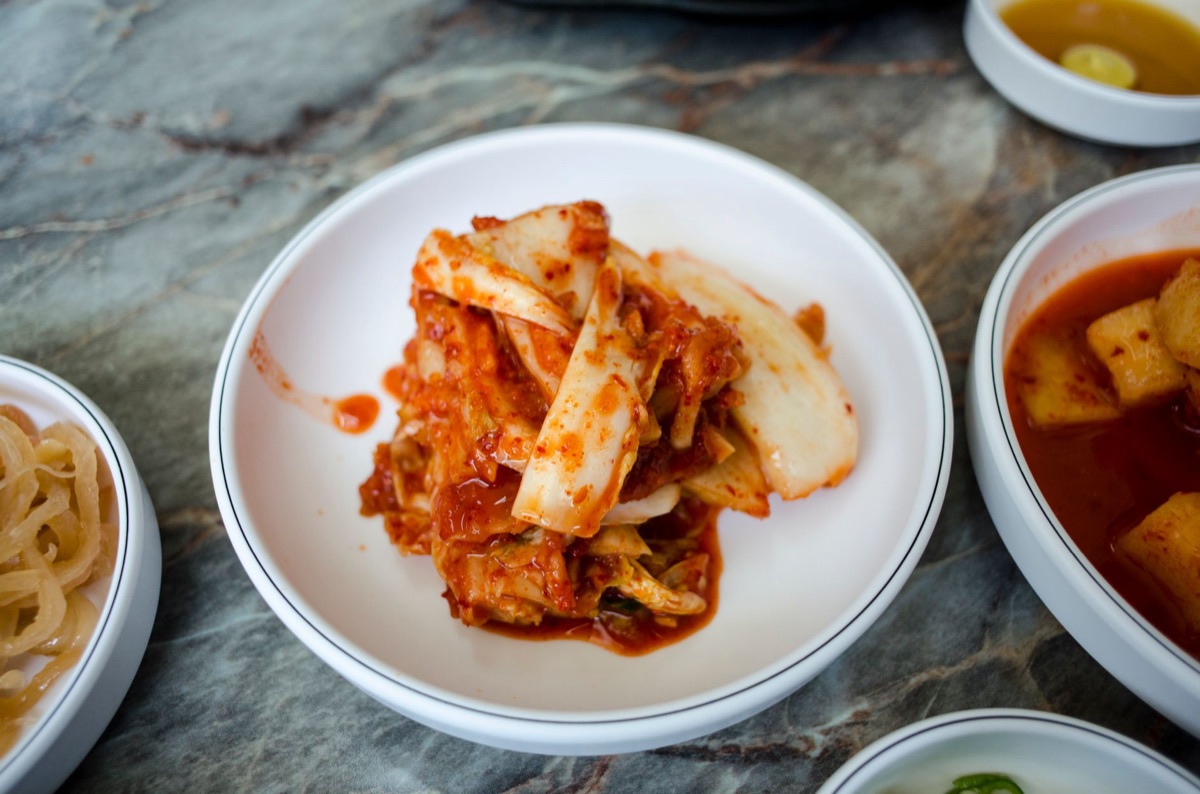
What is Doenjang and Why is Fermentation Essential?
In a quiet kitchen during late autumn, an elderly woman scoops thick paste from a heavy clay jar, releasing a sharp, earthy scent into the air.
I remember standing in a small kitchen in Gyeonggi-do in the late autumn of 2024, watching an elderly woman carefully scoop thick, golden paste from a heavy clay jar. The smell was heavy, earthy, and sharp, a far cry from the mild, sweet miso I was used to in the States.
Doenjang is the thick, fermented soybean paste that remains after the liquid portion of fermented soy mash is removed to become soy sauce. While soy sauce is the clear liquid, Doenjang is the concentrated, textured soul of the fermentation process.
The role of microbes is the true engine of this transformation. Without a symbiotic culture of bacteria and fungi, you simply have salty soybeans. These microorganisms work together to break down proteins, fats, and carbohydrates, creating the deep umami flavor we crave.
Time is the most critical ingredient in the making of quality Doenjang. Unlike many modern processed foods, you cannot rush this. The aging process allows the flavors to mellow and the chemical structure of the soybeans to change, turning a coarse mash into a smooth, complex paste.
But how exactly does a pile of beans turn into a medicinal paste?
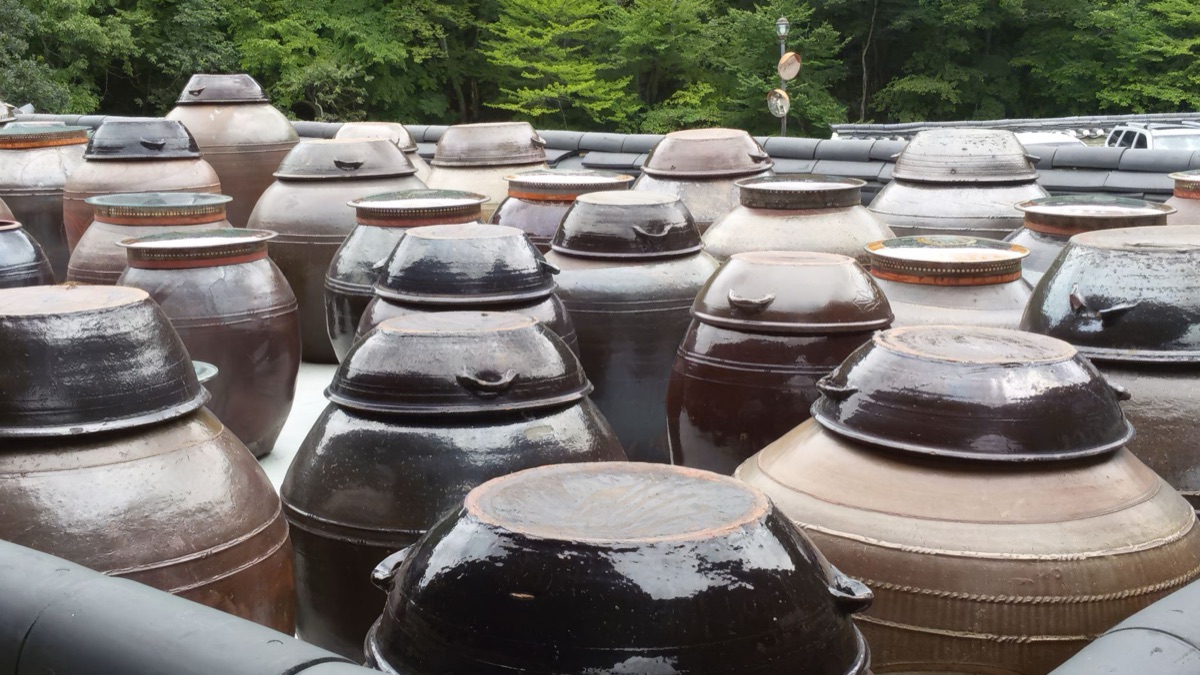
How does doenjang actually transform through science? A heavy wooden spoon stirs a thick, bubbling vat of soy mash in a dim fermentation room, the air thick with the scent of ripening grain.
The science of Doenjang lies in the biochemical shifts that occur during aging. As microbes consume the sugars and proteins in the soybeans, they release enzymes that fundamentally change the food's chemistry.
This is not just about flavor; it is about making the nutrients accessible to the human body.
One of the most significant changes occurs at the molecular level, specifically regarding isoflavones. During fermentation, the isoflavone glycosides—which are often bound to sugars—are converted into their aglycones.
This conversion is vital because aglycones are generally more easily absorbed by the human body.
This shift is measurable through rigorous testing. For instance, research in food microbiology shows that during the fermentation process, the contents of glyctin and genistin can decrease significantly.
Specifically, glyctin levels may drop from an initial 1107.99 μg/g to non-detection after 72 hours of fermentation, while genistin may decrease from 2852.26 μg/g to non-detection under similar conditions.
This breakdown is why fermented foods often feel "lighter" on the stomach than their unfermented counterparts. The microbes have essentially done the heavy lifting of digestion for you, breaking down complex structures into simpler, more bioavailable forms.
However, having these nutrients available is only half the battle; you also have to know how to use them.
What nutritional benefits does doenjang offer me? I sat at a small wooden table in a quiet Seoul cafe in early 2025, a steaming bowl of Doenjang-jjigae (soybean paste stew) placed before me, noticing how the rich, murky broth seemed to hold a weight of its own.
Doenjang is a dense source of macro and micronutrients. Because it is made from whole soybeans, it retains a high protein content, but the fermentation process adds a layer of complexity that standard soy products lack.
The primary benefit is the increase in nutrient bioavailability. As the microbes break down the cellular structure of the beans, they release minerals and vitamins that were previously locked away.
This makes the protein and carbohydrates much easier for the body to digest compared to boiled soybeans.
Furthermore, the presence of beneficial microbial strains contributes significantly to gut health. These probiotics help maintain a healthy microbiome, which is increasingly recognized as a cornerstone of overall immunity and metabolic health.
| Feature | Doenjang (Traditional) | Miso (Japanese) |
|---|---|---|
| Primary Flavor | Deep, earthy, pungent | Salty, sweet, mild |
| Texture | Thick, chunky, coarse | Smooth, fine paste |
| Fermentation Time | Long (months to years) | Generally shorter |
| Primary Use | Stews, heavy seasoning | Soups, glazes, dressings |
But how do you keep these living cultures alive once you bring them home?
Mastering the Art of Aging: Caring for Your Jangdokdae
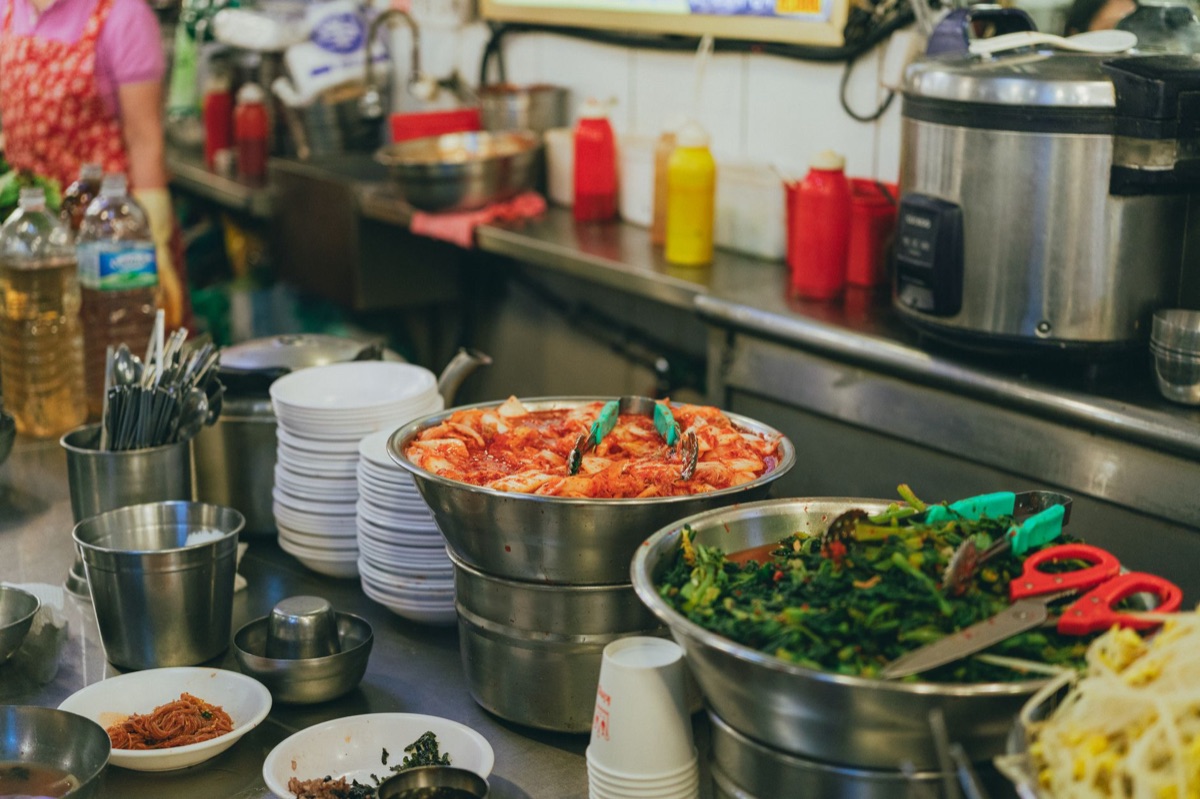
The sun begins to set over a courtyard filled with large, dark earthenware jars, their surfaces gleaming slightly from a recent cleaning.
In Korea, the traditional way to age these pastes is in a *Jangdokdae*—a dedicated platform for large earthenware pots called *Jangdok*. These pots are not just containers; they are specialized tools designed to allow the food to "breathe."
The earthenware is porous, allowing for microscopic airflow while keeping moisture levels stable. This airflow is essential for the aerobic and anaerobic processes of fermentation to occur in a controlled manner.
Factors like temperature, airflow, and salt balance must be carefully managed to prevent spoilage.
Salt concentration is the first line of defense. A proper salt balance in the initial brine or mash prevents harmful bacteria from dominating the culture while allowing the beneficial microbes to thrive. If the salt level is too low, the batch may rot; if it is too high, the fermentation may stall.
Temperature also plays a massive role. In many traditional settings, the fermentation process is influenced by the seasons. As temperatures fluctuate, the microbial activity changes. For example, as temperatures fall below 0 °C, fermentation is halted, which naturally preserves the food.
As the temperature increases in the springtime, the biological activity begins again, marking a new cycle of aging.
If you aren't living in a traditional courtyard, you might wonder how to apply this to a modern kitchen.
Beyond the Basics: Modern Culinary Applications of Doenjang
I watched a chef in a modern fusion restaurant in Gangnam last month whisk a spoonful of dark, thick paste into a creamy vinaigrette, the earthy aroma cutting through the richness of the oil.
You do not need to make a heavy stew to enjoy Doenjang. While it is the star of many traditional soups, it can be integrated into contemporary cooking with ease. The key is to balance its intense umami with acidity or freshness.
For a modern twist, try using Doenjang as a marinade base for roasted vegetables or proteins. The salt and enzymes in the paste can help tenderize meat, while the sugars provide a deep, caramelized crust when roasted.
| Application | Method | Pairing Suggestion |
|---|---|---|
| Marinade | Mix with olive oil, garlic, and ginger | Chicken, pork, or firm tofu |
| Dressing | Whisk with rice vinegar, sesame oil, and honey | Roasted cauliflower or a kale salad |
| Glaze | Thin with a little water or mirin and brush on | Salmon or roasted eggplant |
| Base | Use as a flavor foundation for stocks | Vegetable or beef-based stews |
To use it effectively, follow these steps:
- Taste the Intensity: Always taste a small amount of your specific brand first, as salt levels vary wildly between batches.
- Dilute for Delicate Dishes: If you are worried about overpowering a delicate dish, try mixing it with a creamy element like Greek yogurt or coconut milk to mellow the saltiness while retaining the depth.
- \\Balance with Acid: If the paste tastes too heavy or "muddy," add a squeeze of lemon or a splash of rice vinegar to brighten the flavors.
- Heat Management: For maximum probiotic benefit, stir a small amount of paste into a soup at the very end of cooking to prevent killing the live cultures.
FAQ
Is Doenjang too salty for a daily diet? While Doenjang has a high salt content, it is often used as a seasoning rather than a main course.
When used in stews with plenty of vegetables, water, or tofu, the salt is distributed throughout a larger volume of food, making it a manageable part of a balanced diet.
How long can I store Doenjang in my refrigerator? If you are using commercially prepared or home-aged Doenjang, it can last for many months in a sealed container in the refrigerator. However, for the best flavor, try to use it within a few months of opening.
Can I substitute Miso for Doenjang? You can, but the flavor profile will change significantly. Miso is usually milder and sweeter, whereas Doenjang is funkier and more robust. If you substitute, you may need to add more acidity or a bit of extra salt to match the depth of the original recipe.
How do I know if my fermented paste has gone bad? A healthy fermented paste should have a pungent, earthy, or salty smell. If you notice mold that is fuzzy or brightly colored (like pink or black) on the surface, or if the smell is putrid rather than fermented, it is best to discard the batch.


Comments 0