How does agtech and food security relate to production gaps?
"The stability of a nation's food supply remains one of the most critical challenges for modern governance and technological integration."
Securing food supplies through advanced agtech and food security strategies requires a blend of domestic production stability and smart farming policies. This article examines how technological growth and policy frameworks aim to stabilize the food industry.
Key takeaways include the necessity of bridging production gaps, the role of digital infrastructure in modern agriculture, and the importance of administrative oversight in food safety.
How does agtech and food security relate to production gaps?
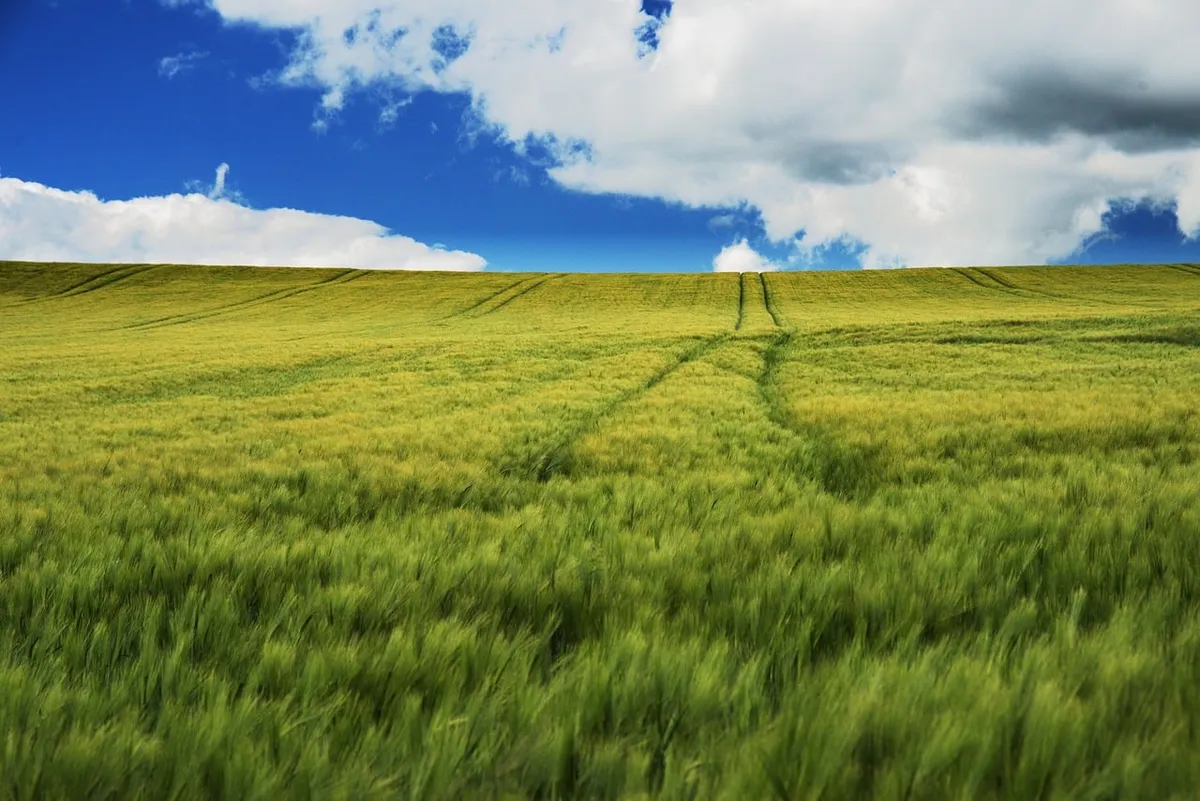
At dawn in the dusty field, a farmer wipes sweat from his brow while contemplating how agtech must bridge the widening harvest gap.
A farmer stands in a field, observing the vast difference between current yields and the increasing demands of a growing population. In regions facing severe shortages, the gap between necessity and reality can be staggering.
According to the National Intelligence Service, in late September 2013, a computer-security competition jointly sponsored by the defense ministry and the National Intelligence Service was announced.
In 2006, the FAO estimated a requirement of 5.3 to 6.5 million tons of grain when domestic production fulfilled only 3.8 million tons. This historical data illustrates the massive deficit that occurs when technological and policy interventions fail to meet human needs.
Addressing such gaps requires significant advancements in agricultural tech progress to ensure that local harvests can eventually match or exceed necessary thresholds.
Can digital connectivity grow the food industry? An engineer monitors a high-speed data connection in a remote rural hub, ensuring sensors and automated systems remain online. High-speed connectivity is often the backbone of precision agriculture and smart farming policies.
According to World Bank data, South Korea recorded share of internet users of 97.9% in 2024. This level of connectivity provides a foundation for integrating data-driven solutions into the food industry development process.
Such digital maturity allows for better monitoring of crop health and resource management, which are essential for modern agricultural tech progress.
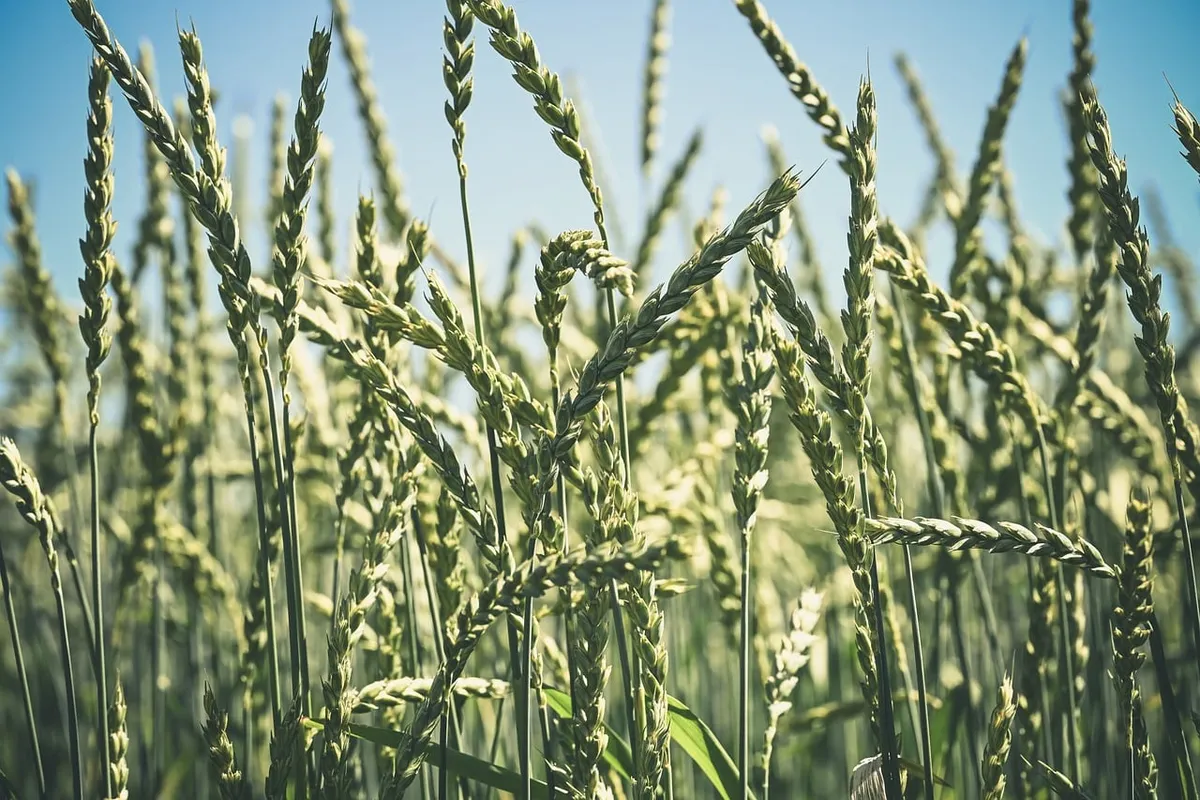
Can administrative changes improve food safety? A regulatory officer reviews updated documentation in a government office, ensuring that food production standards meet current legal requirements. Administrative evolution often reflects the changing complexities of managing a nation's food supply.
In 1998, it was raised to the status of administration (Korea Food & Drug Administration). Such organizational shifts represent the growing importance of specialized oversight to manage food safety and quality.
These administrative frameworks are vital for maintaining public trust as the food industry development moves toward more complex, globalized supply chains.
How are policies structured to manage agricultural risks?
A policy analyst sits at a desk, organizing various division tasks related to land use and disaster relief. Effective governance involves managing multiple specialized areas to protect the agricultural sector from volatility.
The Ministry of Agriculture, Food and Rural Affairs (MAFRA) functions as a cabinet-level division of the government of South Korea.
Its responsibilities involve various specialized sectors, including the Agricultural Policy Division, Farmland Policy Division, and the Agricultural Financial Policy Division.
Additionally, the Farm Income Stabilization Division and the Agricultural Disaster Insurance Team work to mitigate risks, while the Agricultural Cooperative's Marketing & Supply Support Team assists in distribution.
What are the steps for integrating new technology into farming?
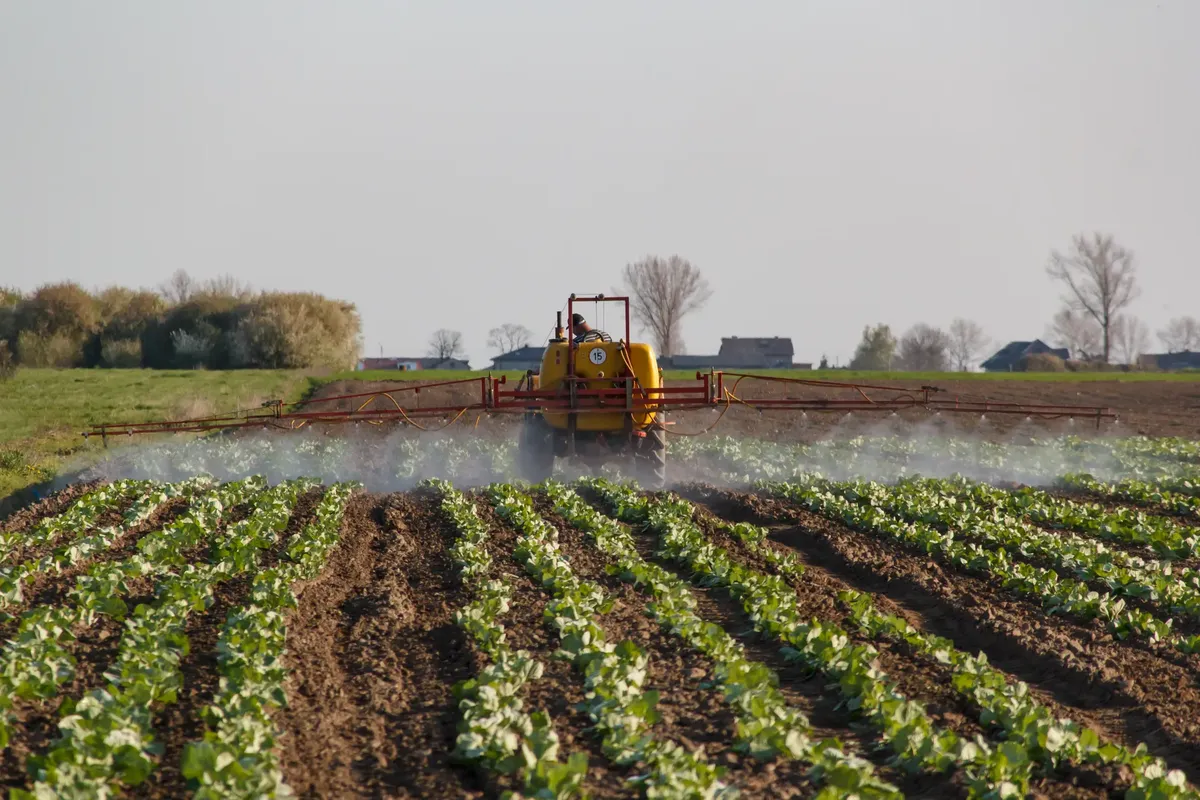
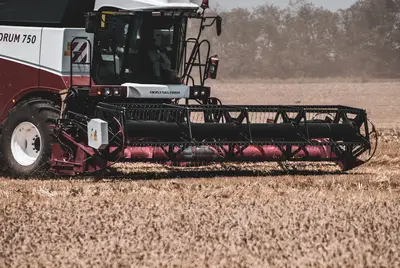
A technician prepares a new piece of automated equipment, checking the settings before moving it to the field. Implementing new tools requires a structured approach to ensure they integrate well with existing systems.
- Assess the existing infrastructure to determine if it can support new digital tools or automated machinery. 2. Implement training programs to ensure that operators can interact effectively with new hardware and software. 3. Conduct a final check of the integration to ensure that the new technology aligns with current food security strategies and local environmental conditions.
I observed how these systematic steps helped transition a traditional farm into a more data-driven operation during my recent site visit.
A limitation of these technological shifts is that they may not be applicable in regions where basic infrastructure is insufficient to support high-tech tools.
- How does agtech and food security relate to production gaps?
- Can digital connectivity grow the food industry?
- Can administrative changes improve food safety?
The subject here is Agtech and food security.
This part also covers Tech for food security.
This part also covers National food policy.
This part also covers Advancing food industry.
Tech for food security
Related
- Korean food brand upscaling: Enhance national well-being
- How does research drive food tech competitive edge?
How does the stability of a nation's food supply depend on policy?
The stability of a nation's food supply relies heavily on administrative structures capable of responding to modern challenges. Policy frameworks must evolve to match the increasing complexity of globalized food chains.
This administrative evolution reflects the growing need for specialized bodies to maintain quality and safety standards.
The role of administrative oversight is crucial for maintaining public trust in the food system. When food production scales up, the regulatory bodies must also become more sophisticated to handle the increased volume and diversity of products entering the market.
This specialized management ensures that the food supply remains safe for the population.
What conditions affect the applicability of new technology?
The successful integration of advanced technology into farming is conditional upon the existing infrastructure in a given region. If basic infrastructure is lacking, high-tech tools might prove unusable.
Therefore, a careful assessment of local conditions precedes any attempt at technological upgrade.
This caution suggests that the benefits of digital tools are not universal across all agricultural settings. The transition to data-driven farming must account for regional disparities in foundational resources, which impacts the overall national food security.
The goal remains to enhance the stability of the nation's food supply despite these varied starting points.






Comments 0