Regional Jeon: 40-Minute Guide to Pan-Fried Delicacies
"The sizzle of a hot pan on a rainy evening is the sound of a kitchen coming to life."
Savory pan-fried delicacies—often referred to as "jeon" in Korean cuisine—are much more than a simple meal; they are a celebration of local ingredients and seasonal bounty.
Because these dishes rely on what is fresh and available in a specific landscape, a coastal version will taste vastly different from one made in the mountains.
* Key Features: Diverse textures and flavors reflecting local agriculture and geography. * Difficulty: Medium (requires mastery of heat control and batter consistency). * Time Required: 40 to 60 minutes from prep to plate.
| Category | Details |
|---|---|
| Origin | Traditional festival and ritual food |
| Main Ingredients | Meats, seafood, vegetables, grains, and flour |
| Difficulty | Medium |
| Calories | Varies by ingredient (typically 200–400 kcal per serving) |
| Spice Level | Generally mild (adjustable via dipping sauces) |
| Meal Type | Special occasion, holiday, appetizer, or snack |

Why does every region have a different flavor?
The sound of rain hitting a windowpane often makes us crave something warm and comforting. As you pour batter onto a hot, oiled skillet, the sizzle fills the room, triggering a sense of nostalgia for home-cooked meals.
The variety in these pan-fried dishes is directly tied to geography. In coastal regions, the bounty of the sea dictates the menu, while mountainous areas rely on the harvest of the forest and fields. These environmental differences created a natural division in culinary styles.
These recipes aren't just about frying batter; they are a way to honor the land. Some regions focus on maximizing the natural salinity of seafood, while others aim to preserve the crisp, earthy snap of fresh vegetables.
Now, let's look at how these flavors change as we move from the coast to the highlands.
How does the flavor of the sea reach the plate?
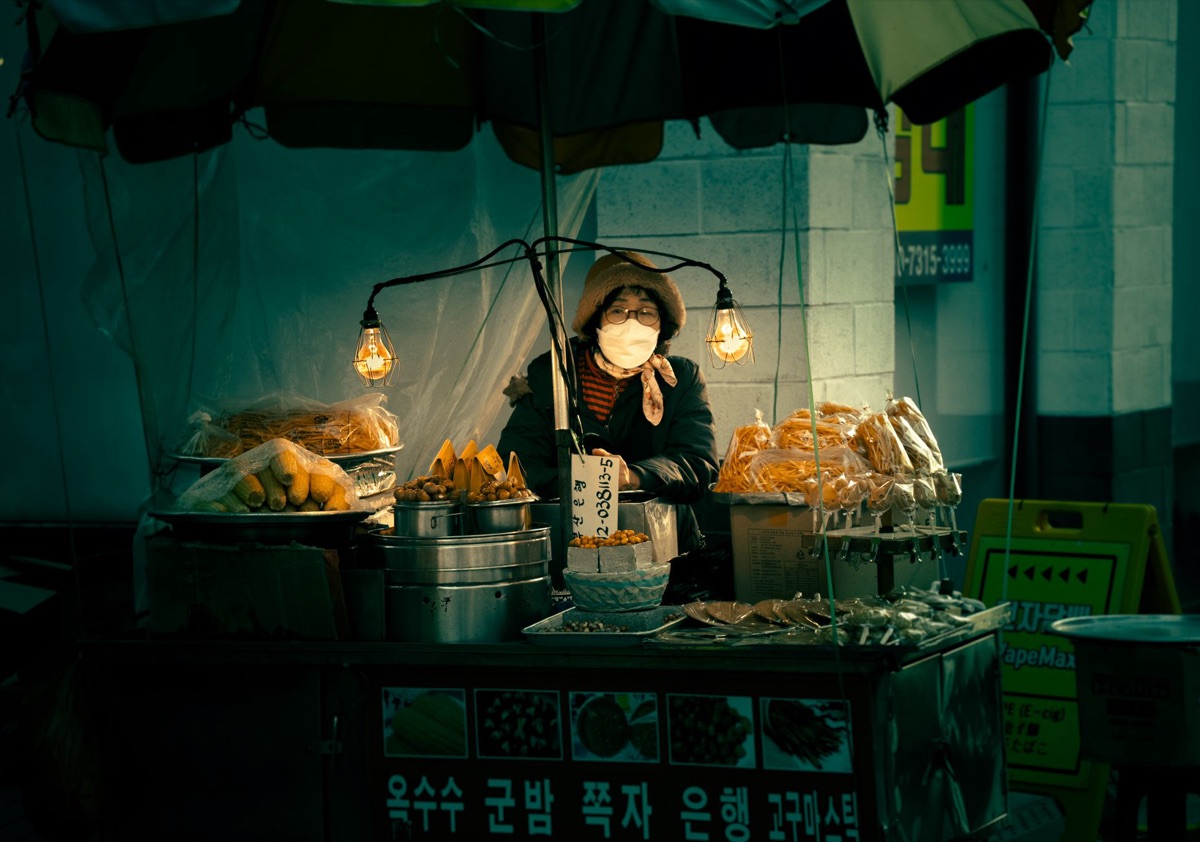
Imagine a misty morning at a bustling seaside pier. The air is thick with the scent of salt and the energy of fishermen unloading their morning catch. In these coastal towns, pan-fried dishes are often the most colorful and celebrated meals.
In coastal areas—such as the Atlantic coast or the Gulf—seafood-based pan-fried dishes are the standard. Dishes like oyster fritters, fish fillets, or mixed seafood pancakes are staples.
Because seafood is highly perishable, the goal is to use minimal batter to ensure the natural flavor of the catch isn't lost.
In areas with heavy shellfish harvests, these dishes can be incredibly rich. Since seafood holds a lot of moisture, the secret is to use a very thin coating so the ingredients are lightly enveloped rather than buried in dough.
| Coastal Specialty | Key Characteristics | Recommended Pairing |
|---|---|---|
| Oyster Fritters | Soft, creamy texture of "the ocean's milk" | Spicy soy-vinegar dip |
| White Fish Medallions | Light, flaky, and delicate protein | Scallion and egg wash |
| Seafood Pancake | A harmonious mix of seafood and scallions | Sparkling cider or light lager |
While the sea provides a wealth of flavor, the mountains offer a completely different kind of satisfaction.
How do mountain vegetables and meats find harmony?
Picture a deep valley shrouded in fog, where the scent of damp earth rises from a freshly plowed field. In these highland areas, the food carries a much heavier, more substantial weight than the delicate seafood of the coast.
In mountainous or inland regions, dishes typically feature vegetables, mushrooms, and meats. Mushroom pancakes, zucchini fritters, and thinly sliced meat rolls are common.
Because these ingredients are often firmer than seafood, they are frequently sliced thicker or layered to create a more substantial bite.
Mushroom-based dishes are particularly celebrated for their aroma. The meaty, chewy texture of a well-cooked mushroom can mimic protein, providing a deep umami flavor without the need for meat. Similarly, thinly sliced meat rolls are often seen as a luxury, served to honor special guests.
However, having great ingredients is only half the battle; the technique must be perfect to make them shine.
The golden rules for perfect frying
Standing at the stove, you feel the weight of the pan in your hand. The temperature of the oil, the thickness of the batter, and the intensity of the flame—everything must align for a successful dish.
Frying is an art of managing temperature and moisture. To achieve that "crispy on the outside, tender on the inside" texture, you must follow a specific set of rules.
- Remove excess moisture: For seafood or vegetables, pat everything dry with paper towels. If the ingredients are too wet, the batter will slide off instead of sticking.
- Control batter thickness: The batter should be thick enough to coat the ingredient but thin enough that it doesn't overwhelm the flavor.
- Test the pan temperature: Always ensure the pan is sufficiently hot before adding ingredients. This prevents the food from soaking up excess oil and becoming greasy.
- Minimize flipping: Once a side is golden, flip it once and leave it. Constant flipping breaks the structure and prevents a crispy crust.
| Process | Key Focus | Warning |
|---|---|---|
| Preparation | Cleaning and drying ingredients | Avoid over-salting raw ingredients |
| Cooking | Temperature and flame control | Do not flip too frequently |
| Finishing | Draining oil and maintaining heat | Avoid stacking hot items on top of each other |
Even a perfectly fried dish can become overwhelming if you don't have the right accompaniments.
Completing the flavor with sauces and sides
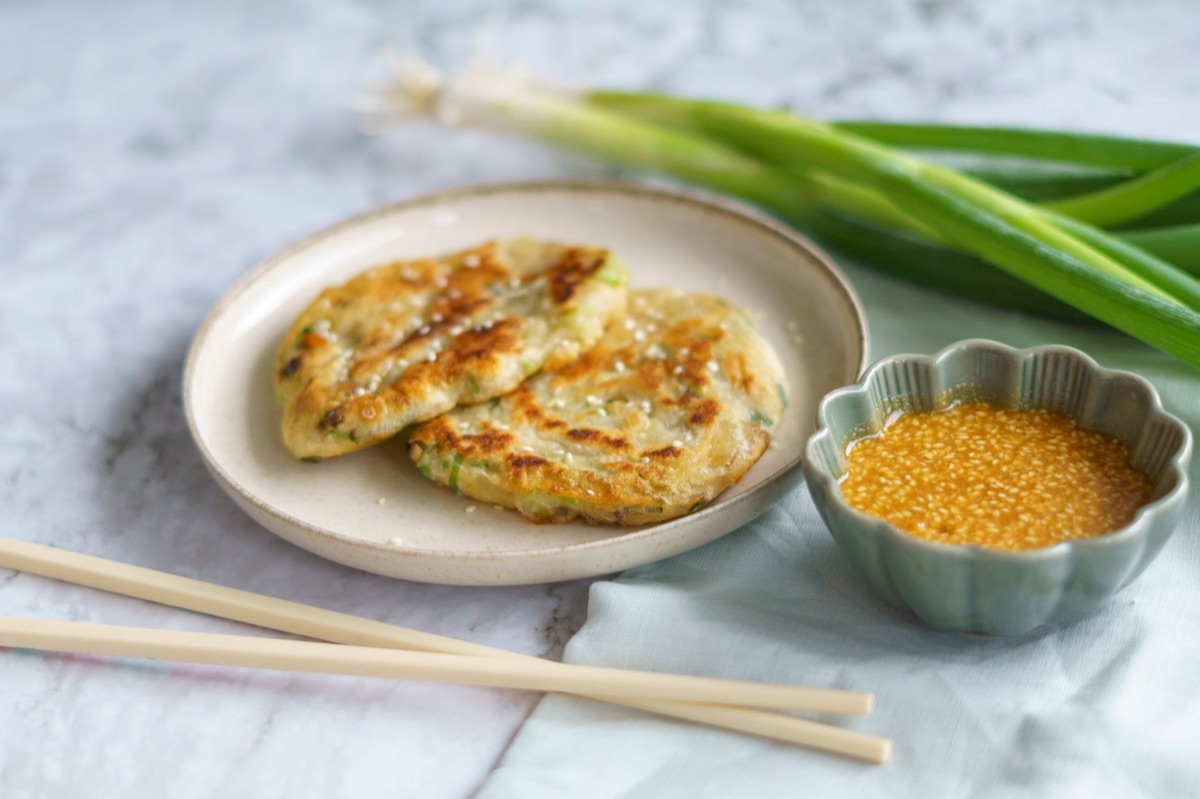
You plate the steaming, golden-brown pieces and prepare a fresh dipping sauce. Taking a bite of a hot, savory piece dipped in a bright sauce can make all the effort in the kitchen feel worth it.
Because these dishes are naturally oily, you need something to cut through the richness. Achieving a perfect flavor balance requires three specific elements:
* Acidic dipping sauces: A mix of soy sauce, vinegar, a dash of chili flakes, and minced onions or peppers helps cleanse the palate. * Crunchy side dishes: Pickled vegetables or fresh, lightly seasoned salads provide a textural contrast that keeps the meal from feeling heavy. * Beverage pairings: Carbonated drinks or light, effervescent beverages work best to neutralize the oiliness on the tongue.
The history of these recipes is as deep as the flavors themselves.
The history and cultural background
Walking through an old farmhouse, you might see elders preparing food with practiced, rhythmic movements. These gestures carry the wisdom of generations. According to World Bank data, South Korea recorded an agricultural land share of 16.1% in 2023.
In many cultures, these pan-fried dishes were more than just food; they were a way to bond a community. During festivals or family gatherings, the act of gathered around a large pan was a ritual of togetherness.
The regional differences existed because people celebrated what was available to them. Coastal families shared the abundance of the sea, while highland families celebrated the honest bounty of the earth.
When I first tried making a seafood pancake in a seaside kitchen in 2025, I realized that even a slight change in pan temperature could ruin a delicate fish batter. It was a lesson in patience that I still carry today.

Comments 0