How do we understand the benefits of Korean food?
"A healthy eating pattern is essential to strengthen our immune system, especially when considering the challenges posed by viral diseases and respiratory disorders."
Korean food health benefits often stem from a balanced approach to nutrition that emphasizes diverse food groups and fermented ingredients.
This guide explores how traditional eating patterns contribute to wellness, examines specific nutritional profiles, and offers practical steps for integrating these meals into a modern lifestyle.

This discussion is for those seeking to understand dietary diversity, though it remains limited to nutritional data rather than specific medical outcomes. 1. Understanding the role of dietary patterns in immune support. 2. Comparing specific nutritional components in common food items. 3. Practical ways to incorporate diverse ingredients into daily meals. * Recognizing the importance of a balanced food culture.
Why is Korean food popular?
At the crowded night market, I smile as the spicy aroma of korean barbecue wafts through the air and hits my face.
A chef carefully arranges colorful vegetables and fermented sides on a wooden table, creating a visual feast of textures. The popularity of Korean food health benefits often relates to the variety of micronutrients provided by diverse side dishes.
This diversity ensures that a single meal can offer a wide spectrum of vitamins and minerals.
According to Trends in food science & technology (2021), the emergence of the COVID-19 pandemic and other viral diseases highlighted how essential a healthy eating pattern is to strengthen the immune system. This realization has led many to seek out traditional diets that prioritize whole foods.
Such eating patterns provide the necessary foundation for maintaining wellness in an unpredictable environment.
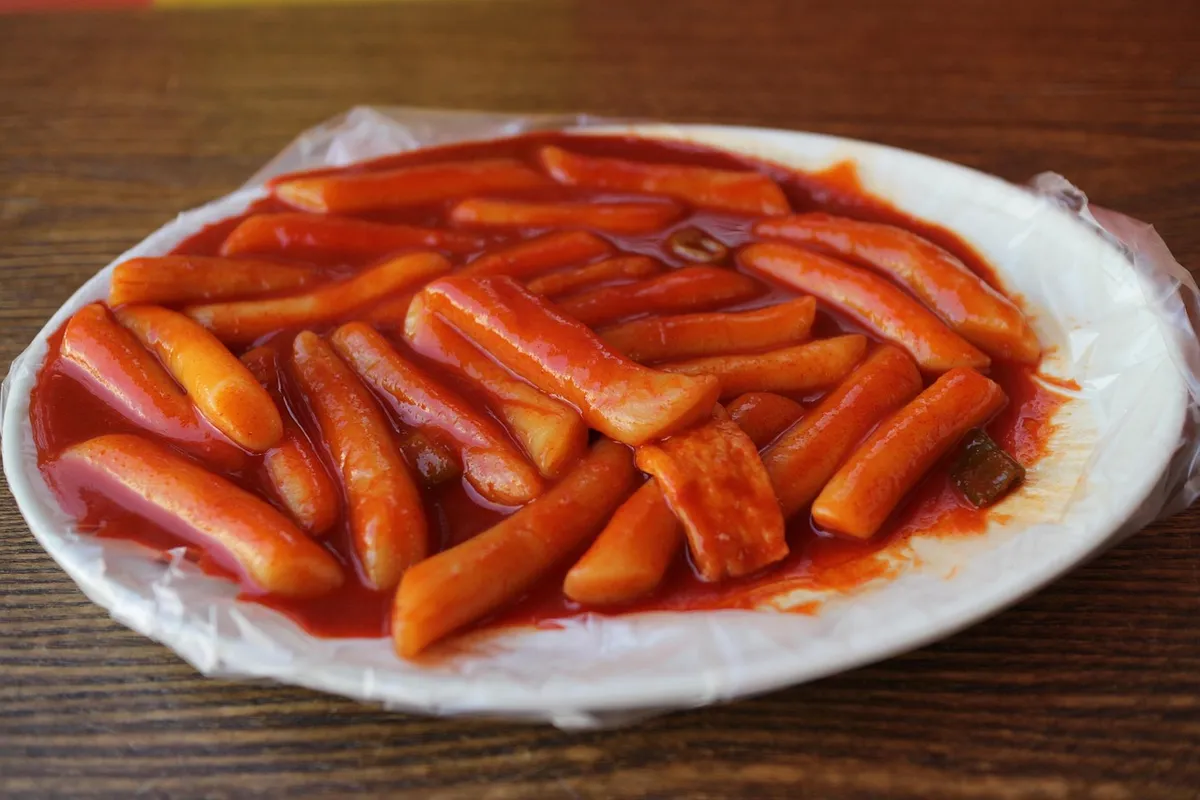
The Korean diet nutrition often focuses on the harmony between fermented products and fresh produce. This balance is a cornerstone of the traditional culinary approach. By incorporating various fermentation techniques, the diet naturally includes diverse microbial and nutritional elements.
However, the appeal may be limited for those who prefer milder flavors over intense seasoning.
What are the core elements of Korean diet nutrition? Korean food health benefits
In the quiet kitchen, I lift a spoonful of fermented vegetables to taste the sharp tang of korean diet nutrition.
A person sits at a low table, picking up a small bowl of rice and a spoonful of seasoned vegetables. The Korean diet nutrition is built upon the principle of many small, diverse dishes served alongside a grain base. This method allows for a high variety of nutrients in a single sitting.
The meals are often centered around fermented foods, which are a key part of the diet. These items provide unique textures and flavors that define the cuisine. Because the meals are structured around many small portions, it is easier to consume a wide range of ingredients at once.
Korean eating wellness is frequently associated with the high fiber and micronutrient content found in vegetable-based dishes. This focus on plants supports a balanced intake of essential vitamins.
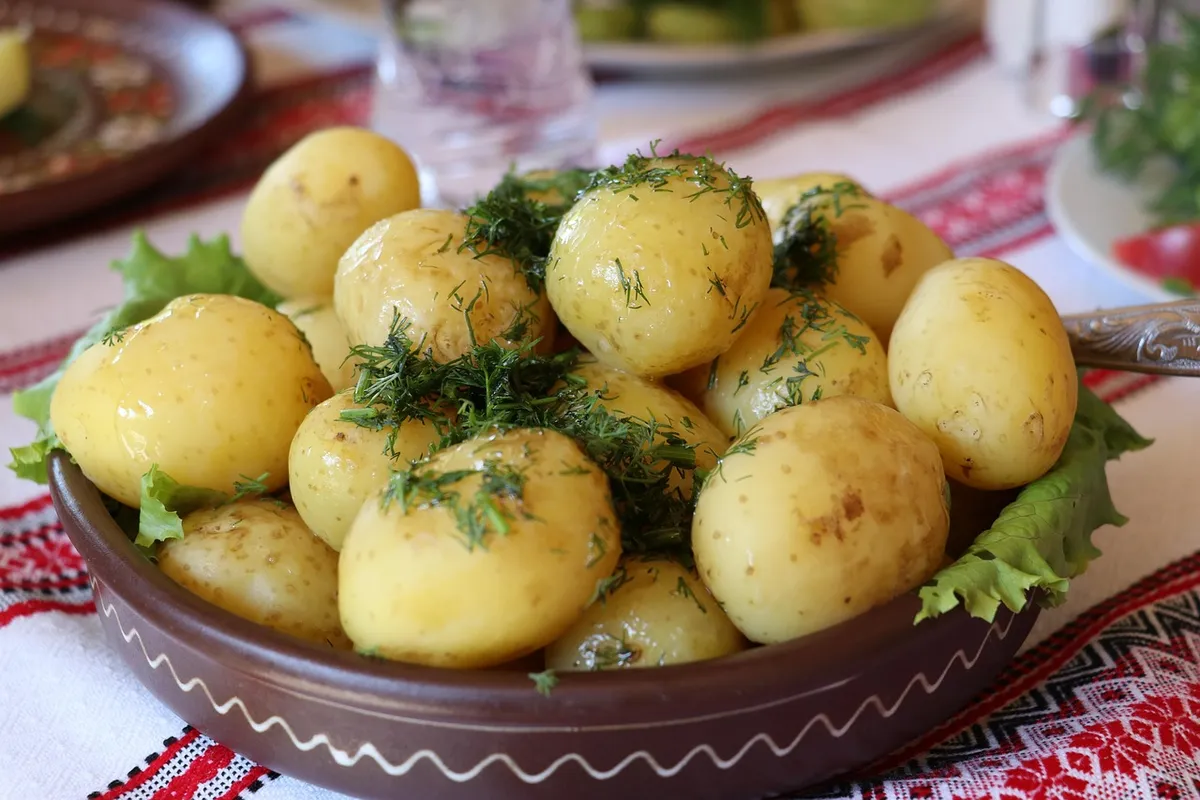
The combination of grains, vegetables, and fermented items creates a comprehensive nutritional profile.
However, the nutritional balance may shift if portions are not carefully managed.
According to World Bank, the 2023 record includes 16.1%.
How do we understand the benefits of Korean food?
A traveler tastes a spicy, fermented dish, feeling the warmth spread through their palate. Exploring the benefits of Korean food involves looking at how specific ingredients contribute to overall dietary balance.
While individual ingredients offer unique properties, the collective effect of the meal structure is significant.
| Food Item | Protein (per 100g) | Fiber (per 100g) | Magnesium (per 100g) |
|---|---|---|---|
| SILK Plus Soymilk | 2.47g | 0.8g | 16mg |
| HEALTH VALLEY FIBER 7 Flakes | 14.4g | 14.1g | 144mg |
I compared these two items to see how different food groups contribute to daily requirements. Using these figures, one can see how much protein or fiber is provided by different serving sizes. Such comparisons help in understanding how to balance macronutrients.
The benefits of Korean food are often linked to the inclusion of fermented ingredients that are central to the culture. These ingredients are prepared through traditional methods passed down through generations. This deep-rooted tradition ensures a consistent approach to food preparation.

However, these benefits are limited if the meals are excessively high in sodium.
Deep dive into Korean diet
A researcher examines the history of fermentation techniques used in various regions. A deep dive into Korean diet reveals a sophisticated understanding of food preservation and nutrition. This knowledge has been refined over centuries to create a sustainable eating pattern.
The Mediterranean food shares similarities with the Korean diet, emphasizing balanced nutrition.
- Incorporate fermented sides to add variety to grain-based meals. 2. Balance heavy proteins with high-fiber vegetable dishes. 3. Ensure a mix of micronutrients by including diverse colorful vegetables.
Always check that the meal provides a balance of flavors and textures to maintain interest and nutritional variety. This prevents the monotony that can lead to dietary fatigue.
However, the health benefits may be offset if highly processed ingredients are used frequently.
Why is the tradition so enduring?
An elderly woman teaches a young student how to properly season a bowl of vegetables. The ancient wisdom in Korean meals is reflected in the way ingredients are preserved and utilized. This wisdom provides a structured way to access nutrients year-round.
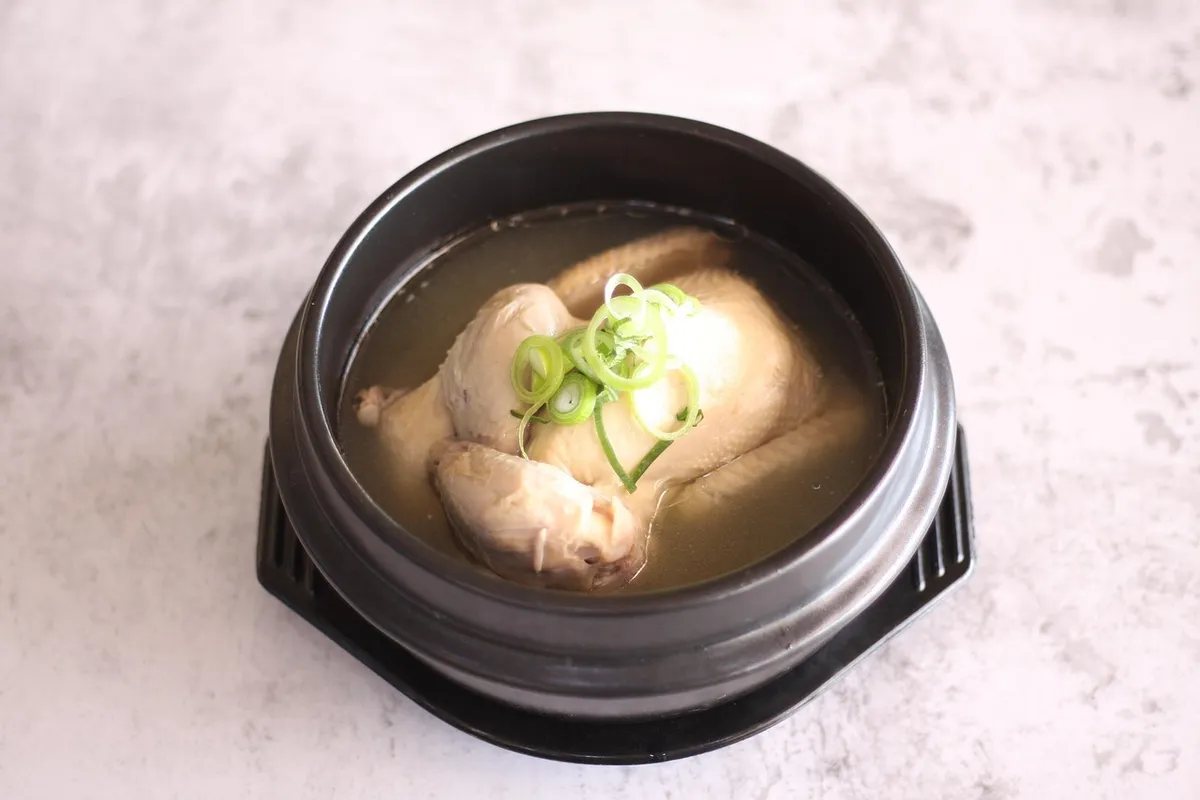
The focus on seasonal ingredients ensures that the diet remains fresh and diverse. By following the natural cycles of growth, the diet naturally incorporates what is most available and nutrient-dense. This connection to the seasons is a fundamental part of the culinary heritage.
The health-conscious aspect of the diet is not a recent trend but a long-standing way of life. This enduring tradition continues to influence how people eat today. The stability of these eating patterns provides a reliable framework for daily nutrition.
However, the tradition may face challenges in modern environments where convenience is prioritized over preparation.
The same subject is also called Healthy Korean meals.
Related



Comments 0