Soju Selection Guide: 5 Key Criteria for Choosing Soju That Complements Taste, Atmosphere, and Food.
Korean soju is more than just a drinking tool; it's an integral part of the dining experience. The taste, its pairing with food, and even the atmosphere it creates can all significantly impact the overall enjoyment of a meal. However, with so many different types of soju available, it can be overwhelming to choose the right one. This guide provides clear guidelines based on five practical criteria to help you select the perfect soju for any occasion or dish.
1. Flavor and Aroma Depend on the Ingredients
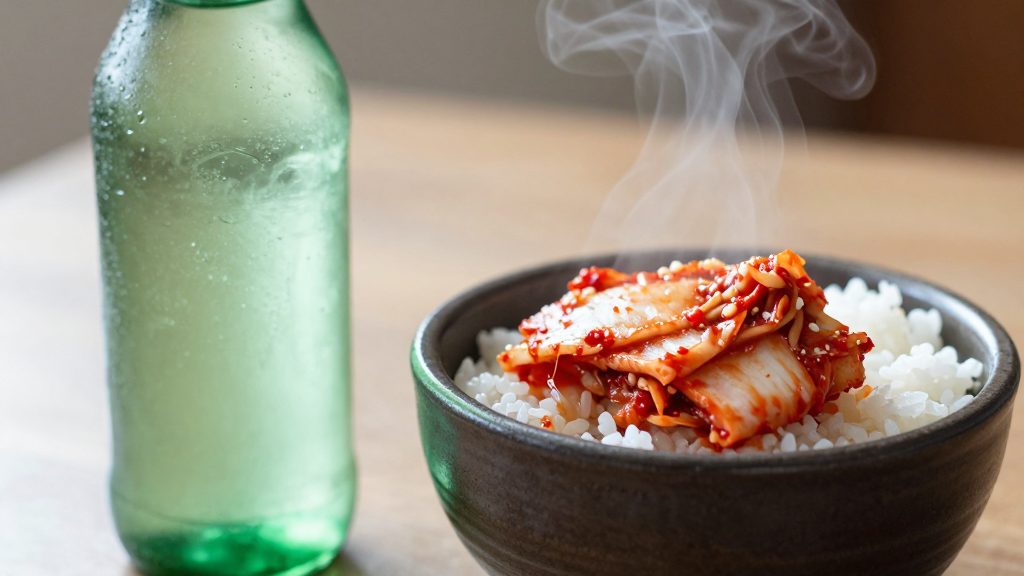
Soju is typically made from grains such as barley, wheat, or rice. The type of grain used significantly affects its aroma and flavor profile. Barley soju is known for its robust and complex aroma, making it a good match for many dishes. Wheat soju has a smoother, slightly bitter flavor that pairs well with ingredients like ginger or chili paste. Rice soju has a clean, subtle aroma and is particularly well-suited to mild Korean dishes like sundubu jjigae (soft tofu stew) or kimchi jeon (savory pancake). Choosing the right ingredient is crucial for achieving a harmonious flavor combination.
2. Alcohol Content Directly Impacts the Drinking Experience
The alcohol content of soju typically ranges from 20% to 45%. Most standard sojus are around 36%, a level considered ideal for pairing with food. Sojus with lower alcohol content (below 20%) tend to have a more delicate aroma and are less likely to overpower the flavors of the food. Higher-alcohol sojus (above 20%) offer a stronger aroma and a more pronounced sensation, which can enhance the overall drinking experience. When choosing an alcohol content, consider the intensity of the food you'
Related posts
Popular posts
How many calories are in a bottle of soju? A precise analysis of the alcohol content and carbohydrates, based on 2024 data.
The Culture of Korean Alcohol and the True Meaning of Soju.

Comments 0