How many calories are in a bottle of soju? A precise analysis of the alcohol content and carbohydrates, based on 2024 data.
The average calorie count for a bottle of soju (360ml) is 145-160kcal, and it contains approximately 10g of carbohydrates, based on an alcohol content of 20%. It is essential to accurately understand the calorie and sugar content, especially for those who frequently consume soju, to prevent weight fluctuations before and after drinking.
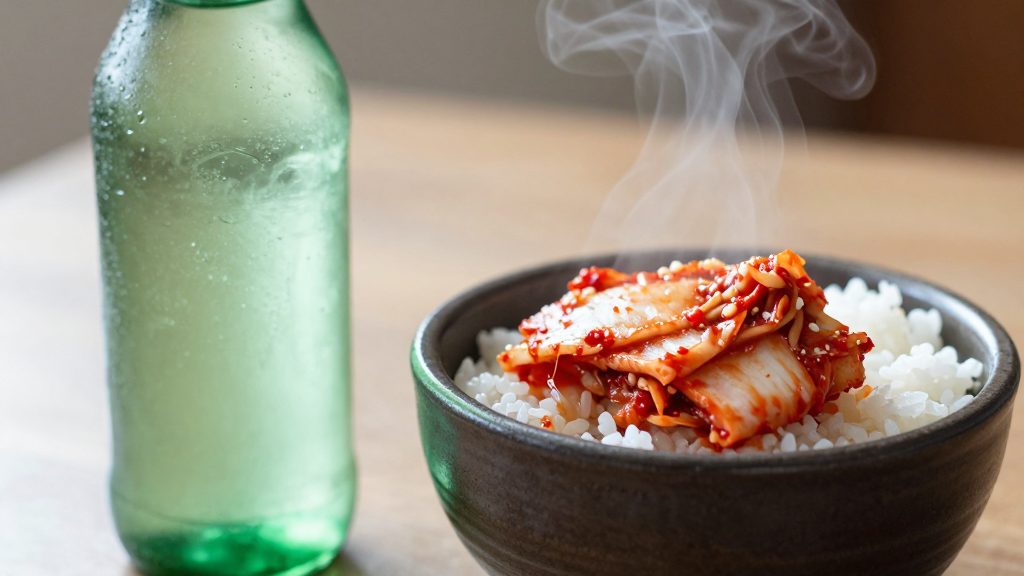
How many calories are in a bottle of soju?
The average calorie count for a bottle of soju (360ml) is 150kcal. This is comparable to three slices of beef (approximately 60g) and represents 7.5% of the recommended daily calorie intake (based on a 2000kcal standard). For those who prefer "moderate drinking," one bottle of soju is not suitable as a meal replacement.
- Calorie difference based on alcohol content (19% vs. 20%): Products with 19% alcohol content contain approximately 145kcal, while those with 20% contain 160kcal. Even a 1% difference in alcohol content results in about a 10kcal increase.
- Carbohydrate comparison: Regular soju contains approximately 10g of carbohydrates, which is similar to or slightly higher than a cup of coffee with one teaspoon of sugar.
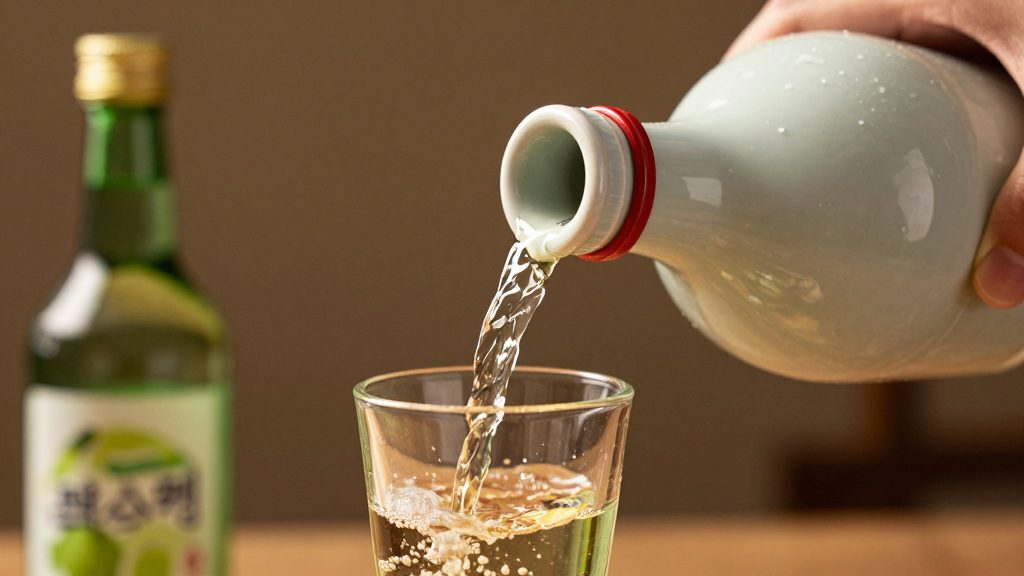
Where do carbohydrates come from in soju? How high is the sugar content?
The carbohydrates found in soju are due to residual sugars (glucose, maltose) remaining from the fermentation process. Most soju has a sugar content of 2-3g/100ml, which is about one-fourth the sugar content of bread.
- Soju vs. Water: Water has 0kcal, while soju contains over 150kcal, resulting in a significant calorie difference.
- Carbohydrate content comparison: Soju (10g/360ml) has more carbohydrates than beer (5.2g/355ml), and there is a higher risk that these carbohydrates will be converted into fat in the body after alcohol metabolism.
How quickly does weight increase when drinking soju?
Alcohol is primarily metabolized in the liver, and this process inhibits fat oxidation. In other words, drinking soju can affect the "parts" of the body where fat accumulates.
- Fat breakdown inhibited within 30 minutes after drinking one bottle: After drinking one bottle of soju, the rate of fat breakdown decreases by approximately 25% within 30 minutes.
- Sweating effect after drinking: Sweating increases after drinking, but this is not a major cause of calorie burning and mainly involves water loss.
Which alcoholic beverage has fewer calories when compared to soju?
When comparing various alcoholic beverages, soju appears to have a relatively high calorie-to-efficiency ratio. The following is a ranking of calories based on a 360ml serving:
- Soju: 150kcal (approximately 10g carbohydrates)
- Vodka: 135kcal (0g carbohydrates)
- Red Wine: 125kcal (approximately 4g carbohydrates)
- Beer: 140kcal (approximately 5.2g carbohydrates)
→ Vodka is lower in calories and carbohydrates than soju, and has less impact on fat synthesis, making it a healthier alternative.
Frequently Asked Questions
Q. Will drinking one bottle of soju per day affect weight gain? A. Yes, drinking one bottle of soju per day can increase the risk of weight gain by approximately 1.0-1.3kg per week. The calories represent over 10% of the daily intake, and the inhibition of fat synthesis accumulates.
Q. Does soju not make you feel full? A. No. Alcohol interferes with the fullness signals in the stomach and actually stimulates appetite. The rate of snacking after drinking increases by over 40%.
Q. Will fat burn if you exercise after drinking soju? A. Exercise within 30 minutes of drinking reduces the efficiency of fat breakdown. Because alcohol metabolism takes priority, it is recommended to avoid soju consumption within 2 hours before exercising.
Key Summary
- A bottle of soju (360ml) contains 145-160kcal and approximately 10g of carbohydrates.
- Products with 20% alcohol content are about 15kcal higher than those with 19%.
- Vodka (0g carbohydrates) is a healthier alternative due to its lower calorie and sugar content.
- Exercise within 30 minutes of drinking reduces fat breakdown; it is recommended to avoid drinking before exercising.
- Soju directly affects fat accumulation and weight gain, and weight gain rates increase significantly when consuming three or more bottles per week.

Comments 0