The Culture of Korean Alcohol and the True Meaning of Soju.
<!--img--> 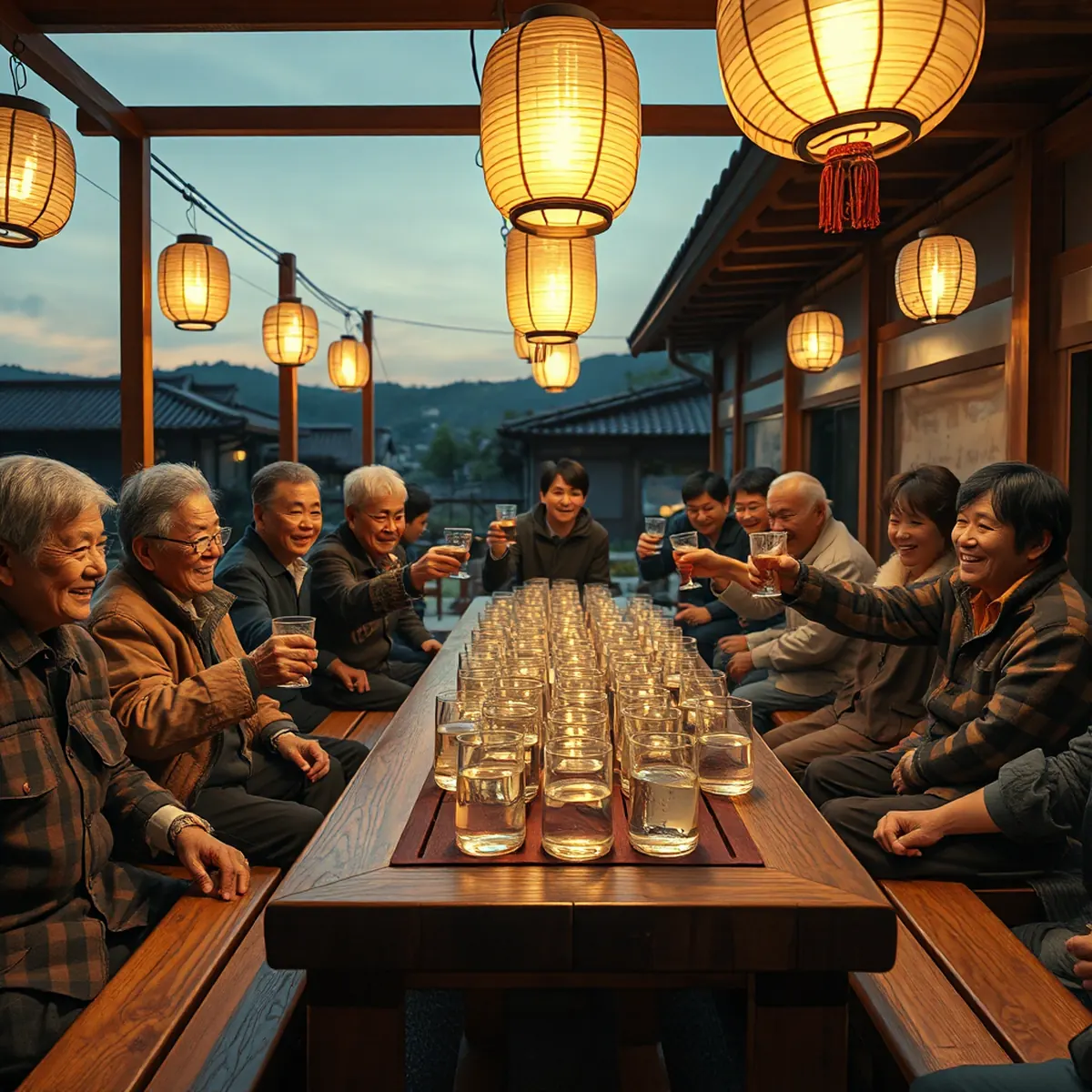
South Korea boasts a world-renowned drinking culture. With over 3,000 years of history, Koreans view alcohol not just as a delicacy, but as an integral part of life and a cultural tool that plays a vital role in building social relationships. Among these, "soju" is the quintessential drink that represents everyday Korean life and its unique charm. While various Korean foods are gaining global attention under the "K-food" theme, soju, despite being a significant part of this category, often receives less recognition. This article aims to explore the meaning of soju for Koreans and its place within Korean drinking culture.
The History of Soju: From Tradition to Modernity
Soju is one of the oldest alcoholic beverages in Korean culture. Its origins can be traced back to the 14th century, during the Joseon Dynasty. While drinking cultures like "makgeolli" (rice wine) and "hanji" existed at the time, the introduction of Western distillation techniques in the 19th century led to the rapid spread of soju, known as "distilled liquor." Initially, it was often used medicinally in hospitals, and later became the most popular drink for important events such as holidays, weddings, and ancestral rites.
Historical records from the late Joseon period frequently mention soju as a drink that "clears the mind" and "soothes the stomach." This goes beyond simple intoxication, suggesting that Koreans used alcohol to share emotions and build relationships – a cultural nuance worth noting. In the 1960s, with economic growth, soju transitioned from a common drink to a symbol of popular culture. It became readily available in department stores, restaurants, and liquor stores, solidifying its reputation as the "national drink."
Korean Drinking Culture: Empathy Over Etiquette
Korean drinking culture is characterized by a focus on building relationships and fostering empathy, rather than adhering to strict etiquette or focusing solely on professional achievements or social status. "Drinking sessions" with friends, family, and colleagues are a significant part of daily life for many Koreans. During these gatherings, "toasts" and sharing a drink are not just about consuming alcohol; they represent respect and understanding.
Soju plays a particularly important role in this cultural context. The saying that "soju connects people rather than dividing them" perfectly encapsulates Korean drinking culture. Even those who are initially tense during a conversation often find themselves laughing and connecting after sharing a glass of soju. This highlights the importance of being present with others, even more than avoiding hangovers or stomach problems. It's about the feeling of wanting to be with someone, even on a hot summer day.
Furthermore, Korean drinking sessions are known for their emphasis on respecting others. For example, the "pressure" that some foreigners may feel when first participating in a Korean drinking session stems not from an obligation to drink, but from the desire to share the experience and connect with others. Soju offers a choice – you don't have to drink if you don't want to – while simultaneously emphasizing the importance of being together.
The True Taste of Soju: A Harmony of Emotion and Experience
To truly understand soju, it's essential to look beyond its alcoholic content. Koreans experience soju not just as a "taste," but as an "emotion." When someone says, "I don't want to waste this soju," they are not referring to the drink itself, but to the "memories" it holds or the "time spent with others."
For example, the memory of parents calling out to their sons while enjoying a 낮술 (daytime drinking session), the moments shared with friends, nursing hangovers in the morning, or soju being a "snack" for soldiers after the war – all of these connect soju to the broader experience of "human life." Koreans view soju not just as a beverage, but as a vessel for time and memories – a symbol of "jeong" (a deep emotional connection).
In recent years, soju brands have been emphasizing "Korean tradition" and "nature," experimenting with various ingredients. For example, soju made with "Korean rice" or "kimchi fermentation liquid" is seen as a new and innovative approach that blends tradition with modernity. These products aim to capture the essence of Korean life and culture, rather than simply producing alcohol.
Soju: A Taste of Korea for the World
In today's society, there is a growing emphasis on "health" and "economic efficiency." However, many Koreans still seek "human connection" through soju. While this may seem somewhat "unconventional" from a global perspective, the emotions and memories associated with it are something that people around the world can relate to.
Compared to drinks like "sake" in Japan or "wine" in Europe, which have various cultural meanings, soju is distinguished by its greater emphasis on "people." This makes it a unique and potentially appealing product for global consumers, offering them another glimpse into the "real Korea."
Ultimately, soju is not a "shadow" in Korean life; it's a "light." This light doesn't reside in the bottle itself, but in the connections between people and the desire to understand one another. Korean drinking culture, particularly soju, is not just a beverage; it's a cultural tool that fosters "connections between people." Its true meaning should be shared with the world.
<!--enr--> ## Quick Comparison
| Aspect | Item A: Korean Soju Culture | Item B: Western Distilled Spirits Culture |
|---|---|---|
| Core Purpose | Used as a medium to strengthen human relationships and foster empathy | Utilized as a symbol of social status or achievement |
| Historical Role | Traditionally consumed during important events such as holidays and weddings since the Joseon Dynasty | Generally perceived in the West as a premium beverage or object of ritualistic consumption |
| Emotional Significance | Viewed as a conduit for "jeong" (deep emotional connection), embodying memories, emotions, and life moments | Perceived primarily as an alcoholic beverage or a philosophy of taste |
| Social Symbolism | Established as "national drink," embodying mass appeal and approachability | Maintains a cultural image centered on luxury, refinement, and exclusivity |
| Global Distinction | Central to emotional bonds rooted in human-centered sentiment; fosters shared empathy | Dominated by consumption patterns based on cultural tradition or product quality |
Frequently Asked Questions (FAQ)
Q1. Why is soju considered Korea's "national drink"? Soju became popular among the general public during the 1960s economic boom and gradually established itself as a staple in everyday drinking occasions, earning its title as the "national drink." This status stems from the fusion of traditional use in important ceremonies since the late Joseon period and modern mass culture.
Q2. Why is drinking in Korea more than just alcohol consumption—it's a significant social act? In Korean culture, drinking gatherings serve as tools to strengthen relationships and foster mutual understanding. Toasts ("cheers") or sharing a drink are expressions of emotional connection and respect toward others, with soju acting as the central medium that brings people together.
Q3. Why does soju carry emotional significance beyond being just an alcoholic beverage? Koreans experience soju more through emotion than taste. It symbolizes memories—of parents, of late-night talks with friends, or the hangover after a night out. Soju is perceived as a vessel of "jeong" (deep emotional connection), transcending its role as mere drink and carrying profound sentimental value.
Q4. Why hasn't soju received the same global attention as part of K-food? Soju holds great potential to be recognized alongside Korean cuisine worldwide, yet it remains less prominent than traditional foods like makgeolli or kimchi within the K-food narrative. This is because soju carries deep emotional and cultural meaning, making it more than a simple food item—it's seen as the heart of Korea’s traditional drinking culture.
Comments 0