Why is Korean cuisine (Hansik) and K-food so popular around the world?
<!--img--> 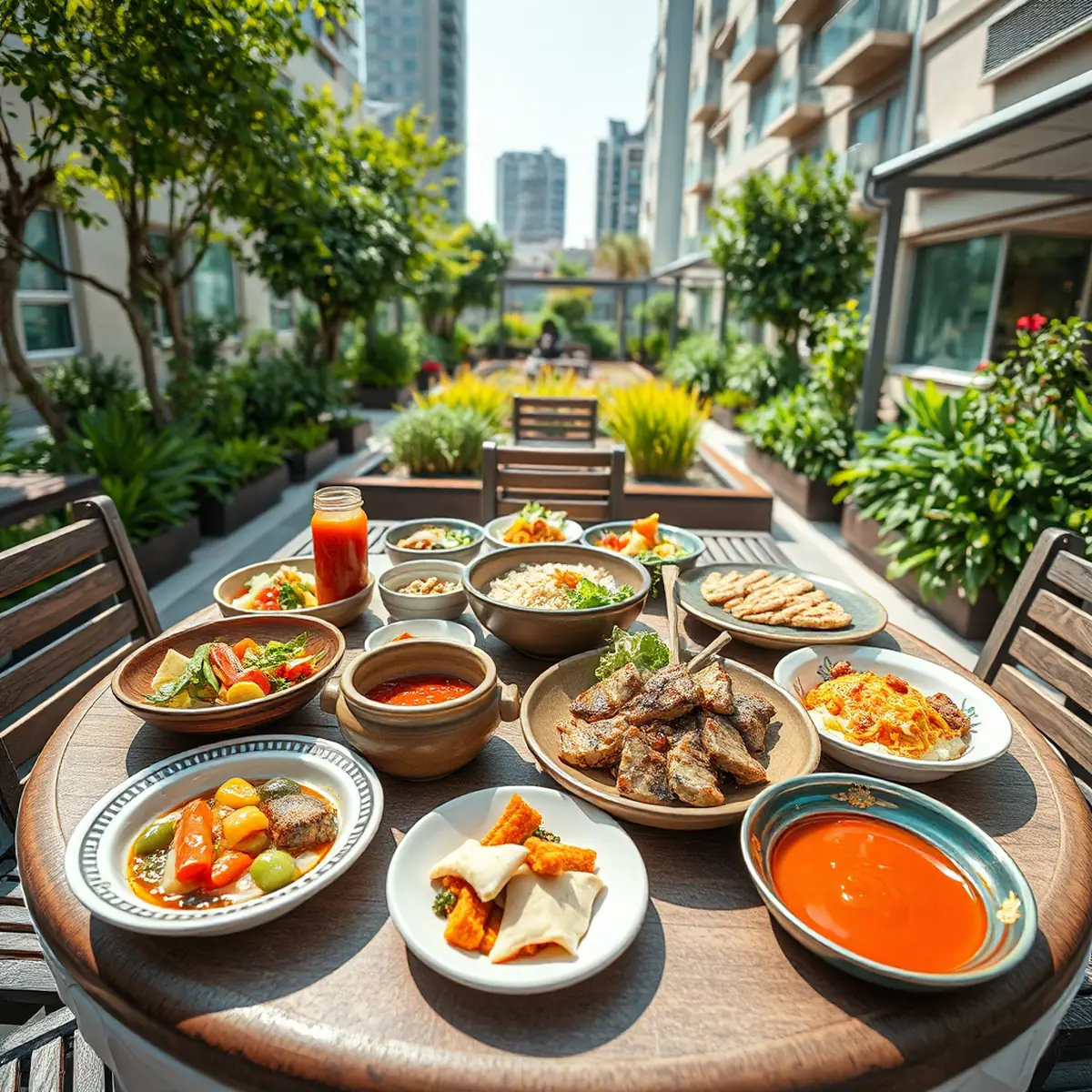
Bibimbap, kimchi, bulgogi, and tteokbokki – Korean food is no longer a stranger on the tables of people around the world. What's the secret to K-food becoming a global trend, following in the footsteps of K-pop and K-dramas? Let's explore the unique strengths of Korean cuisine that go beyond a simple fad.
3 Secrets to K-food's Popularity
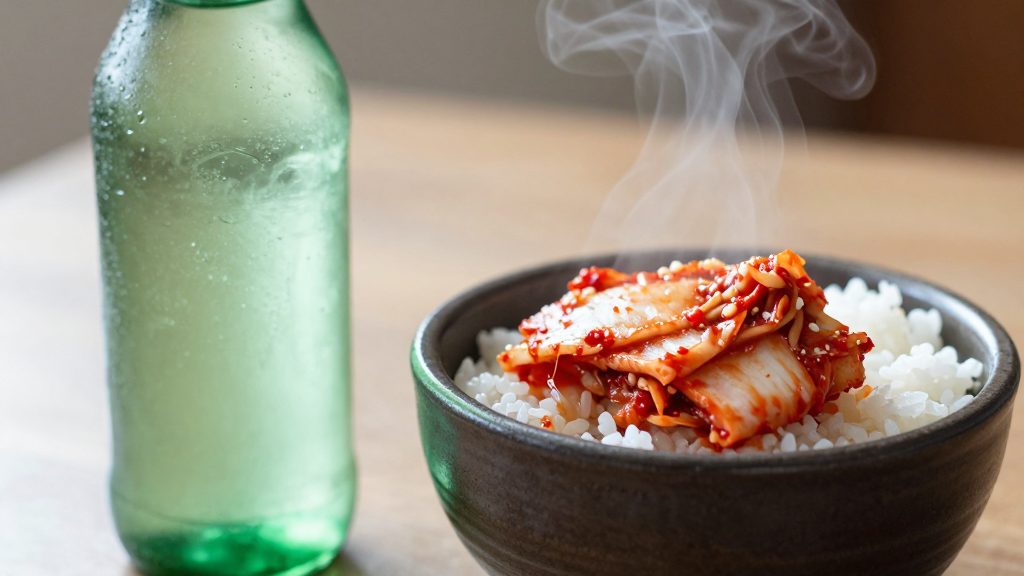
- The Deep Flavor of Fermentation: The complex flavors of fermented foods like kimchi, doenjang (soybean paste), and gochujang (red pepper paste) are a unique appeal that's hard to find in other cuisines.
- A Culture of Diverse Side Dishes: The arrangement of multiple side dishes served together on a table offers a variety of flavors that appeal to foreigners.
- Healthy Ingredients: The balanced diet rich in vegetables and fermented foods is gaining attention as a healthy option.
The Power of Street Food
It's not just high-end Korean cuisine that's popular. Street food like tteokbokki, kimbap, hot dogs, and hoddeok is gaining immense popularity overseas through social media and video content. The combination of spicy, sweet flavors, diverse textures, and the "visual appeal" makes it a great form of content in itself.
Korean Cuisine's Globalization Strategy
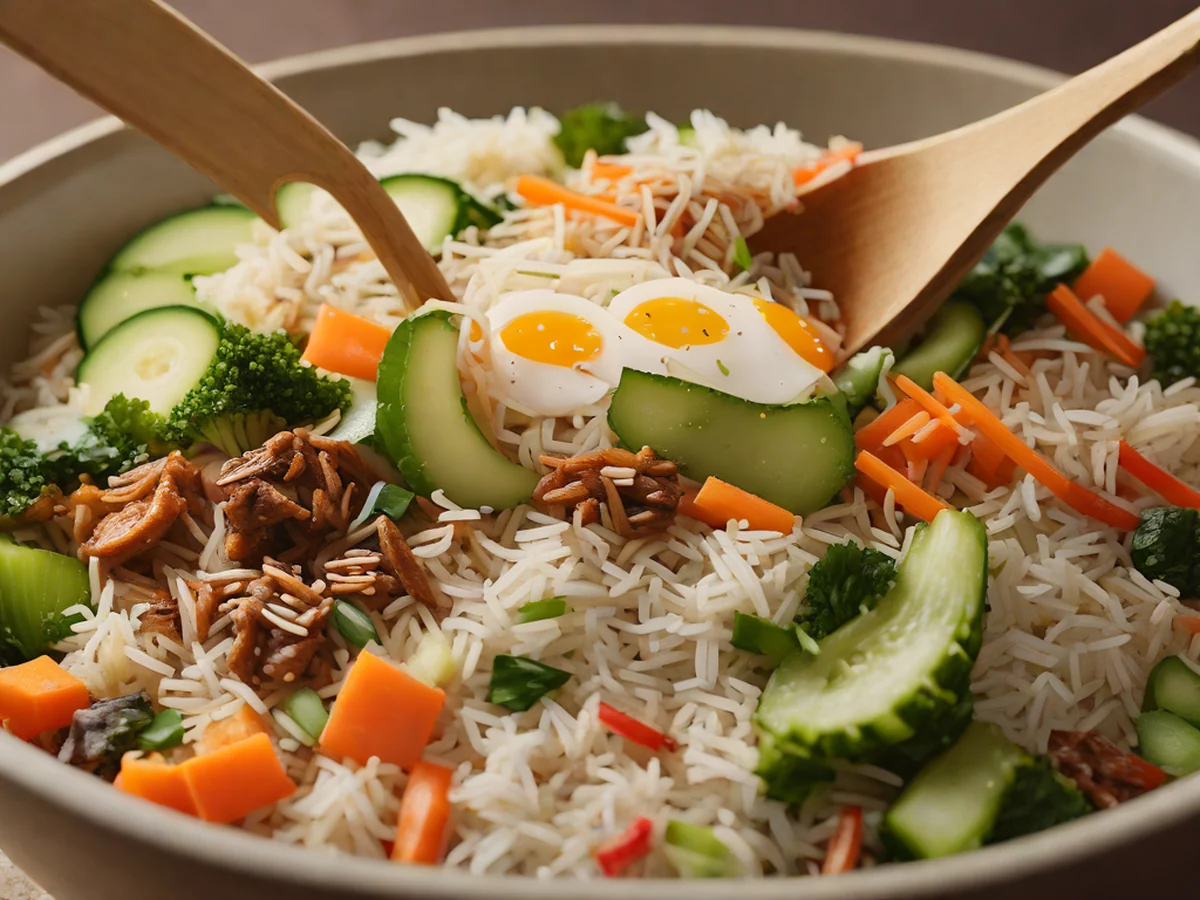
Korean cuisine is now expanding globally through various methods, including adapting to local tastes, exporting ready-to-eat meals (meal kits and instant foods), and expanding through franchises. The key is to maintain "authenticity" while also making it more accessible through "localization."
Why Korean Cuisine is Gaining Attention as a Healthy Option
In Western countries, Korean cuisine is often presented as an example of a "balanced diet." The combination of rice, soup, and various vegetable side dishes avoids an over-reliance on a single food. The way vegetables are consumed, such as in seasoned greens (namul) and wraps (ssam), is also highly regarded. The unique, deep flavor of fermented foods provides satisfaction with minimal seasoning, creating the impression of both "taste" and "health."
Getting Started with K-food: Enjoying it Yourself

- Bibimbap: A one-bowl dish that anyone can make with leftover vegetables, rice, and gochujang.
- Kimbap: Highly popular as a lunchbox item because you can endlessly change the ingredients.
- Tteokbokki: The level of spiciness can be adjusted, making it easy for foreigners to enjoy.
Korean cuisine has the advantage of being able to be started without elaborate ingredients or techniques. Start by making a familiar dish, and gradually add side dishes to create a full table setting. Even with a simple arrangement of "rice, soup, and a couple of side dishes," you can fully experience the unique balance and sentiment of Korean cuisine.
The power of Korean cuisine lies not just in its "taste," but also in the "experience and stories" it offers.
Koreafood is a specialized channel for Korean cuisine that introduces recipes, restaurants, ingredients, and K-food trends.
<!--enr--> ## Quick Comparison
| Category | Item A (Factors Driving Global Popularity of Korean Food) | Item B (Strategies for the Globalization of Korean Cuisine) |
|---|---|---|
| Core Appeal | Complex flavors from fermented foods combined with healthy ingredients | Preserving authenticity while adapting to local tastes |
| Cultural Differentiation | Diverse side dishes and balanced meal structures | Content-driven street food with strong social media influence |
| Consumer Accessibility | Easy-to-make dishes using simple ingredients (e.g., bibimbap, kimbap) | Expanding exports of ready-to-cook meals and convenience foods |
| Strategic Approach | Raising awareness as a healthy eating option and gaining attention as a dietary model | Implementing localization through franchise expansion |
| Content Utilization | Leveraging spicy-sweet taste and "visual appeal" to drive video content consumption | Guiding beginners with Korean recipes, popular dining spots, and trend information |
Frequently Asked Questions (FAQ)
Q1. Why are fermented foods like kimchi and doenjang central to the global popularity of K-Food? Fermented foods are highly valued worldwide—including in Western cultures—for their complex flavors and health benefits, particularly for gut wellness. Korean fermented dishes go beyond taste by offering both flavor and nutritional balance.
Q2. What K-Foods are easy for foreigners to prepare at home? Bibimbap, kimbap, and tteokbokki use readily available ingredients and simple cooking methods. With proper adjustments to gochujang or seasonings, they suit international palates well. Bibimbap is especially recommended for beginners because it can be made with leftover ingredients.
Q3. Is K-Food’s popularity abroad simply due to taste? No. The global appeal of K-Food stems from a combination of factors—not just taste, but also healthy ingredient combinations, diverse side dish culture, and strong visual appeal that thrives on social media. Street food, in particular, stands out for its "visual entertainment," making it popular as content.
Q4. What strategies are used to promote Korean cuisine worldwide? Korean food is exported in adapted forms that maintain authenticity while appealing to local tastes—such as ready-to-eat meals and meal kit products. It also expands through franchising, while local restaurant operations and educational programs help deepen cultural understanding and acceptance.
Comments 0