Why seasonal Korean food is popular: Why it is important
"The rhythm of the seasons dictates the menu, turning every harvest into a culinary tradition that connects people to the land."
Why seasonal Korean food is popular is a question of deep-rooted tradition and resource management. This culinary style relies on using ingredients at their peak freshness to maximize flavor and nutritional value through specific preparation methods.
This guide explores how seasonal ingredients and flavors define the cuisine, how traditional Korean cooking methods preserve these treasures, and how to cook seasonal Korean food using natural cycles.
Why is seasonal Korean food so popular?
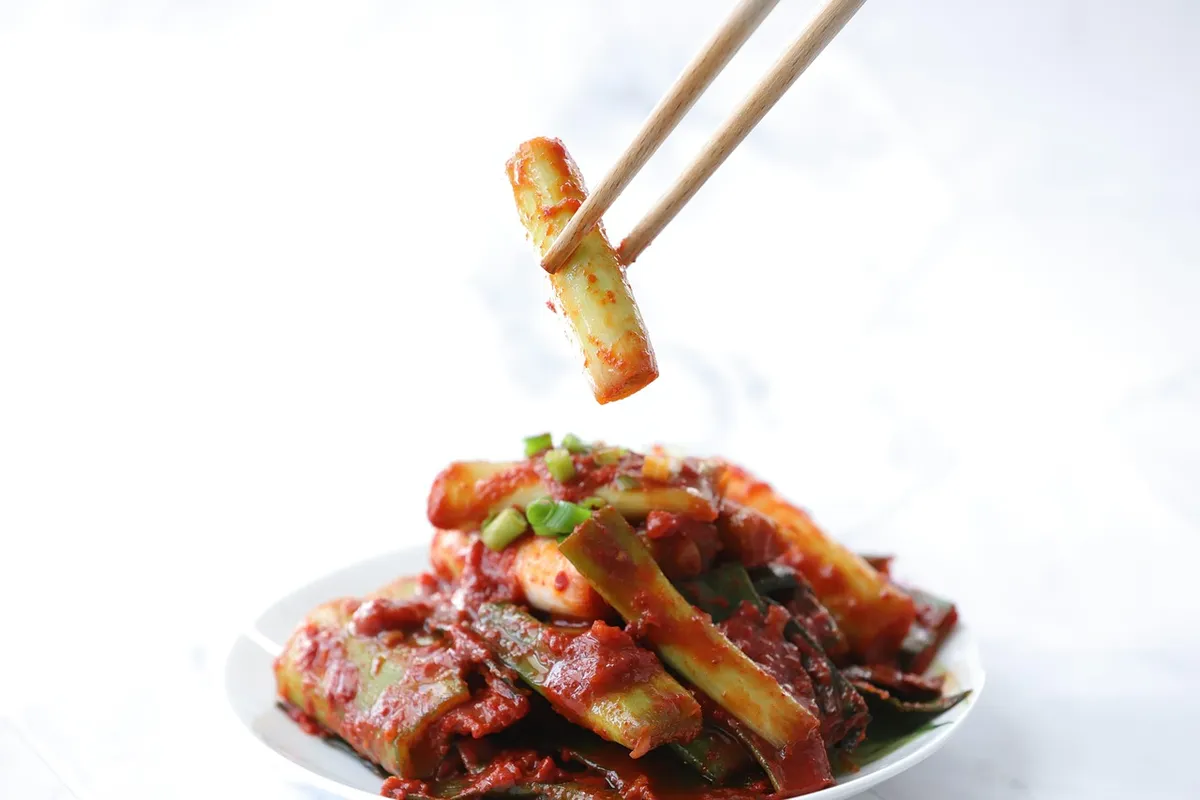
A farmer walks through a field, checking the soil moisture before the morning sun hits the crops. The popularity of seasonal Korean food stems from a historical necessity to utilize the natural abundance of specific times of the year.
Historically, food availability was strictly tied to the harvest cycles and the land's productivity. For example, according to World Bank data, South Korea recorded an agricultural land share of 16.0% in 2024.
This limited land availability necessitated a culture of efficiency, where every ingredient was used according to its natural growing season.
The connection between the land and the table creates a natural cycle of eating. This ensures that the community remains in harmony with the environment while enjoying the most flavorful products available.
What are the best seasonal Korean recipes? Why seasonal Korean food is popular
A chef selects a bunch of fresh greens, feeling the crispness of the leaves in their hand. Finding the best seasonal Korean recipes requires understanding how different ingredients behave under various weather conditions.
In the past, the seasonal menu was often dictated by the needs of the royal court or religious ceremonies.
This structured approach to food management helped establish high standards for seasonal eating.
The Board of Rites (Yejo) were responsible for foods prepared for ancestor rites, attaining wines and other beverages, and medicinal foods. These roles ensured that even ceremonial foods respected the specific timing of the seasons.
According to World Bank, the 2024 record includes 16.0%.
How do seasonal ingredients and flavors work together?
In the quiet evening kitchen, a cook stirs a steaming pot while inhaling the sharp, seasonal aroma of fermented vegetables.
A cook stirs a steaming pot, the aroma of fermented vegetables filling the kitchen. Learning about seasonal ingredients and flavors involves understanding how acidity, salt, and sweetness shift throughout the year.
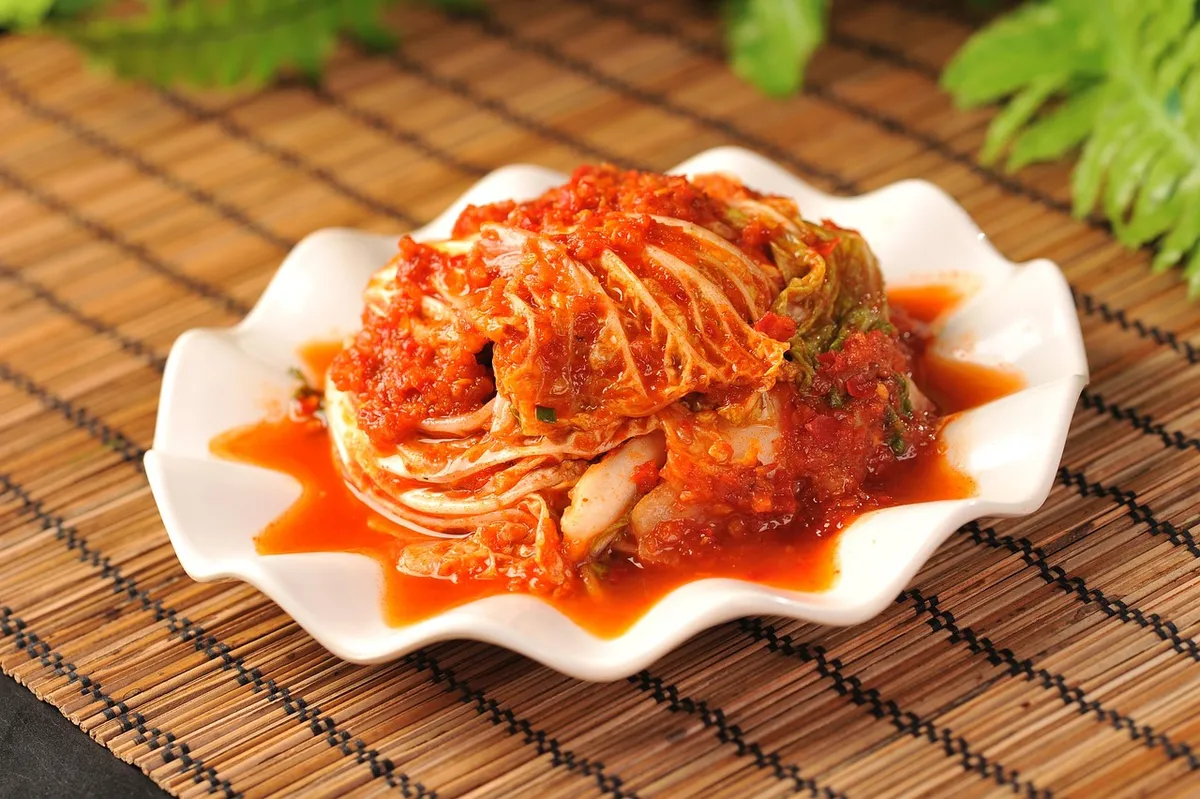
The interplay of flavors often relies on fermentation to bridge the gap between growing seasons. For instance, napa cabbage is prepared with much salt, and approximately 20% of sodium intake comes from kimchi.
This preservation technique allows the flavors of a specific harvest to be enjoyed even when the ingredient is out of season.
The balance of salt and fermentation provides a unique flavor profile that defines the cuisine. This allows for a consistent yet evolving taste experience throughout the calendar.
What are the traditional Korean cooking methods for seasonality?
An elder carefully folds dough, preparing for a festive meal. Exploring traditional Korean cooking methods reveals how techniques like fermentation and boiling are used to manage seasonal changes.
The goal is often to preserve the essence of the ingredient while making it shelf-stable. Because the seasons dictate what is available, techniques like pickling and drying became essential tools for the household. These methods capture the peak flavor of a harvest for later use.
The methods used in the past were often highly specialized to ensure food safety and quality. This careful management allowed for a diverse menu regardless of the time of year.
How to cook seasonal Korean food with precision?
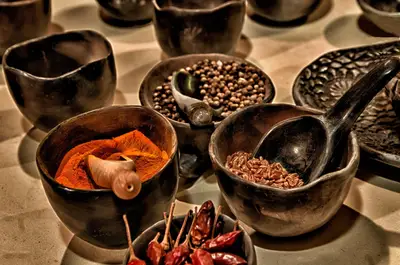
A person carefully measures spices, preparing to season a dish for a family gathering. To know how to cook seasonal Korean food, one must follow a disciplined approach to ingredient selection and preparation.
- Select ingredients that are currently in their peak growing season to ensure maximum flavor and texture. 2. Use traditional preservation methods, such as salting or fermenting, to prepare ingredients for future use. assessing the freshness and aroma of the ingredients before starting the cooking process. 3. Adjust seasoning levels to complement the natural sweetness or acidity of the seasonal produce.
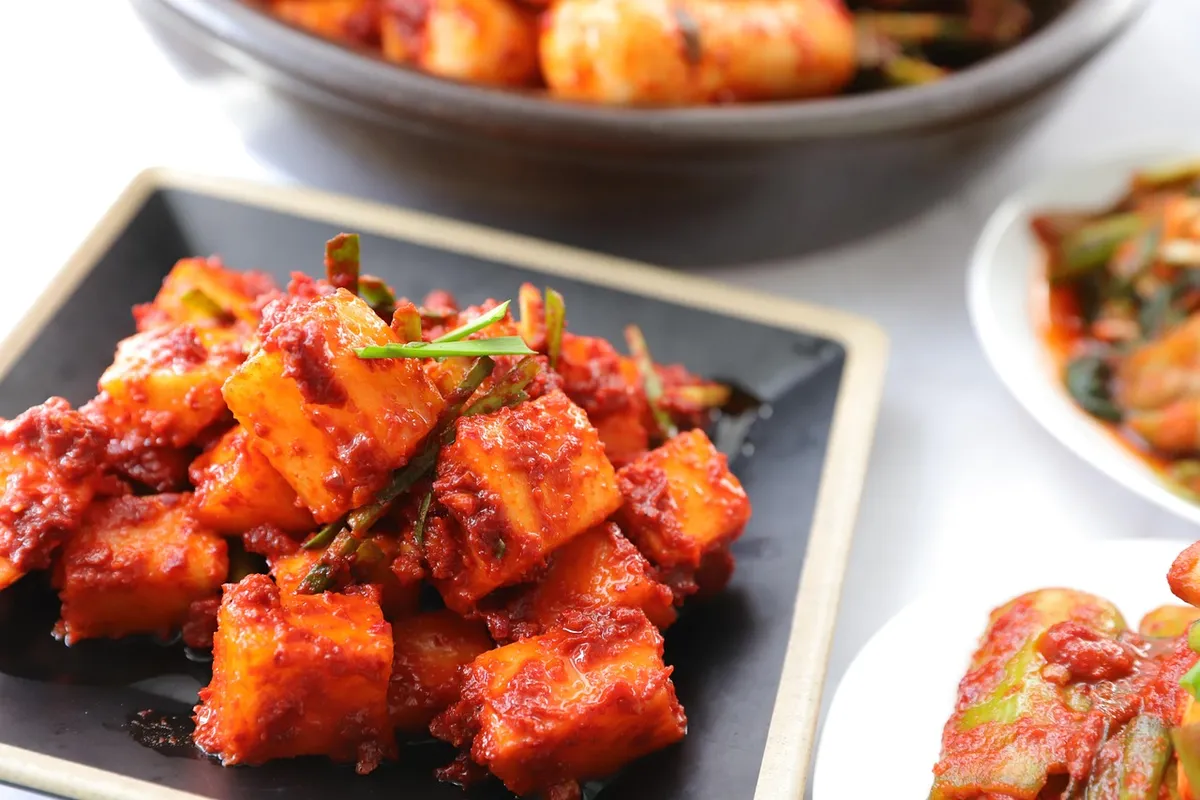
I once spent an afternoon preparing a batch of fermented vegetables, carefully checking the salt levels to ensure the texture remained crisp. This process of checking the ingredients is vital for successful seasonal cooking.
A limitation of this approach is that it relies heavily on the availability of local, seasonal produce, which may not be accessible in all geographic regions.
- Why is seasonal Korean food so popular?
- What are the best seasonal Korean recipes?
- How do seasonal ingredients and flavors work together?
The subject here is Why seasonal Korean food is popular.
The same subject is also called Korean seasonal food secrets.
The same subject is also called Korean cuisine seasonal trends.
The same subject is also called Seasonal ingredients in Korean food.
Related
How does the rhythm of the seasons influence preservation methods?
The rhythm of the seasons dictates the methods used to preserve food, ensuring that the abundance of a specific time of year is not lost.
Preservation techniques like salting or fermentation capture the peak flavor of a harvest, allowing the community to enjoy the bounty long after the growing season ends. These methods bridge the gap between the abundance of one season and the need for sustenance in the next.
The careful management of food through these techniques reflects a deep respect for the natural cycle. By utilizing acidity, salt, and sweetness in varying proportions, cooks honored the ingredient's journey from field to table across the year.
This contrasts with modern approaches that might rely on external preservation aids.
The successful integration of these methods highlights the symbiotic relationship between the cuisine and the land. The specific needs of the community dictated the necessary preservation method for each ingredient harvested during its optimal phase.
This adherence to the rhythm of the seasons was not merely a choice but a survival strategy.
What cautions accompany this traditional approach?
A caution inherent in this traditional approach is its dependence on local availability. The success of the menu hinges entirely on the successful capture of the ingredient at its zenith during the growing season.
If the ingredient is not perfectly timed or if preservation fails, the entire meal suffers.
This reliance on the immediate environment means that the culinary practice is deeply intertwined with the immediate ecological conditions. The community must remain attuned to the subtle shifts in the rhythm of the seasons to maintain this culinary tradition successfully.
This constant awareness is key to maintaining the integrity of the food.



Comments 0