Rice power: why it has importance of rice power
"Eating a bowl of rice is the foundation of a full day."
The importance of rice power lies in its role as a reliable energy source and a cultural centerpiece that anchors the dining experience. This guide explores how rice provides nutritional stability, its role in traditional meals, and how it shapes the essence of Korean meals.
Key takeaways: 1. Rice serves as a primary source of carbohydrates and essential nutrients. * The cultural concept of "rice power" emphasizes satiety and energy. * Traditional dining often centers around grain-based staples.
Why is the importance of rice power so central to meals?
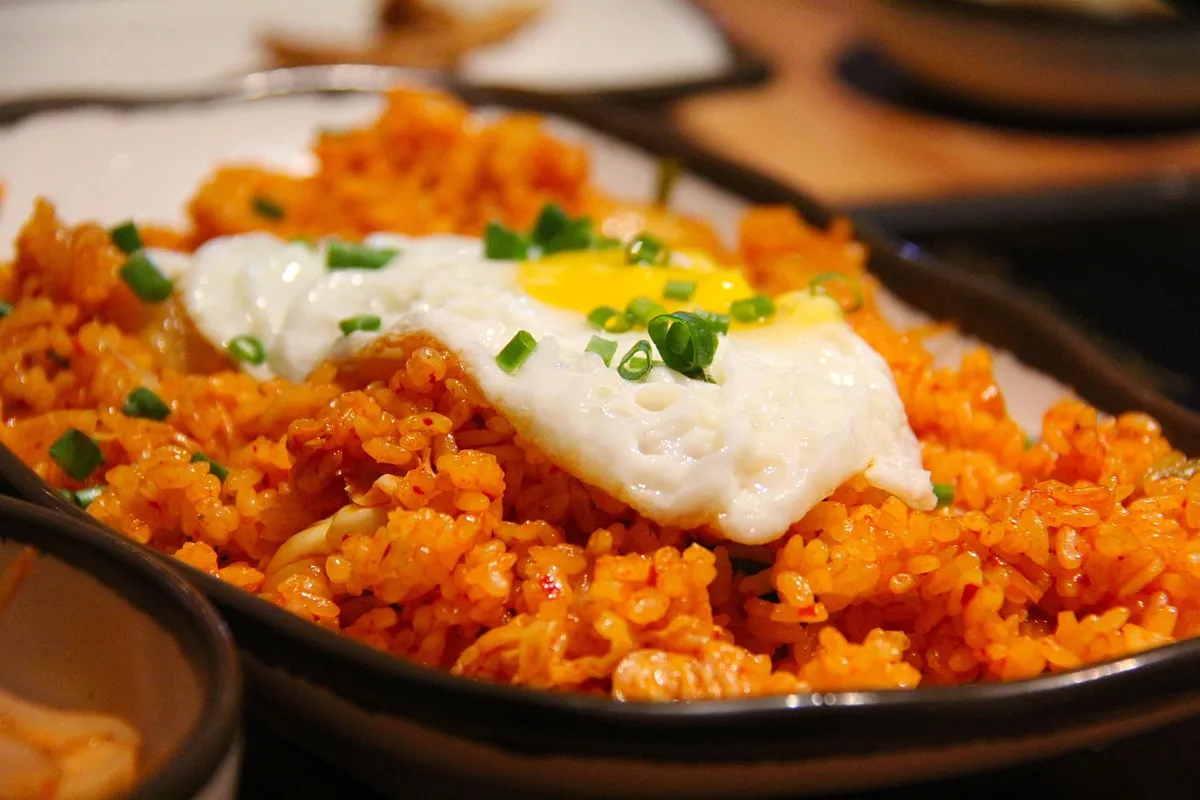
At dawn, he grips the warm ceramic bowl and swallows a mouthful of steaming rice to feel the sudden surge of warmth.
A person sits at a wooden table, steam rising from a ceramic bowl of freshly cooked grains. This warmth provides a sense of completeness that defines a standard meal.
The importance of rice power stems from its ability to provide consistent energy through carbohydrates. For instance, cooked long-grain brown rice contains 25.6g of carbohydrates and 123kcal per 100g. This energy helps maintain daily activity levels.
The role of rice in meals is often about more than just calories; it is about the feeling of being truly satisfied. This cultural weight makes the grain a necessity rather than a mere side dish.
However, the perceived energy boost may be limited if the rice is consumed in isolation without balanced accompaniments.
How does Korean rice culture influence flavor?
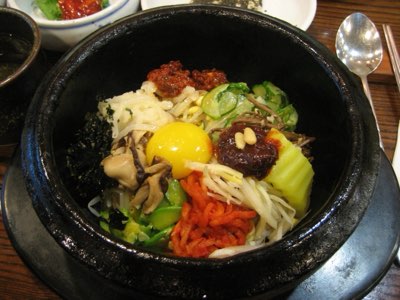
A cook carefully stirs a pot of seasoned vegetables, preparing to serve them over a bed of white or brown rice. The grain acts as a neutral canvas for diverse flavors.
Korean rice culture relies on the grain to balance salty, spicy, or acidic side dishes. Because the rice has a subtle flavor, it allows the seasoned components to stand out without overwhelming the palate.
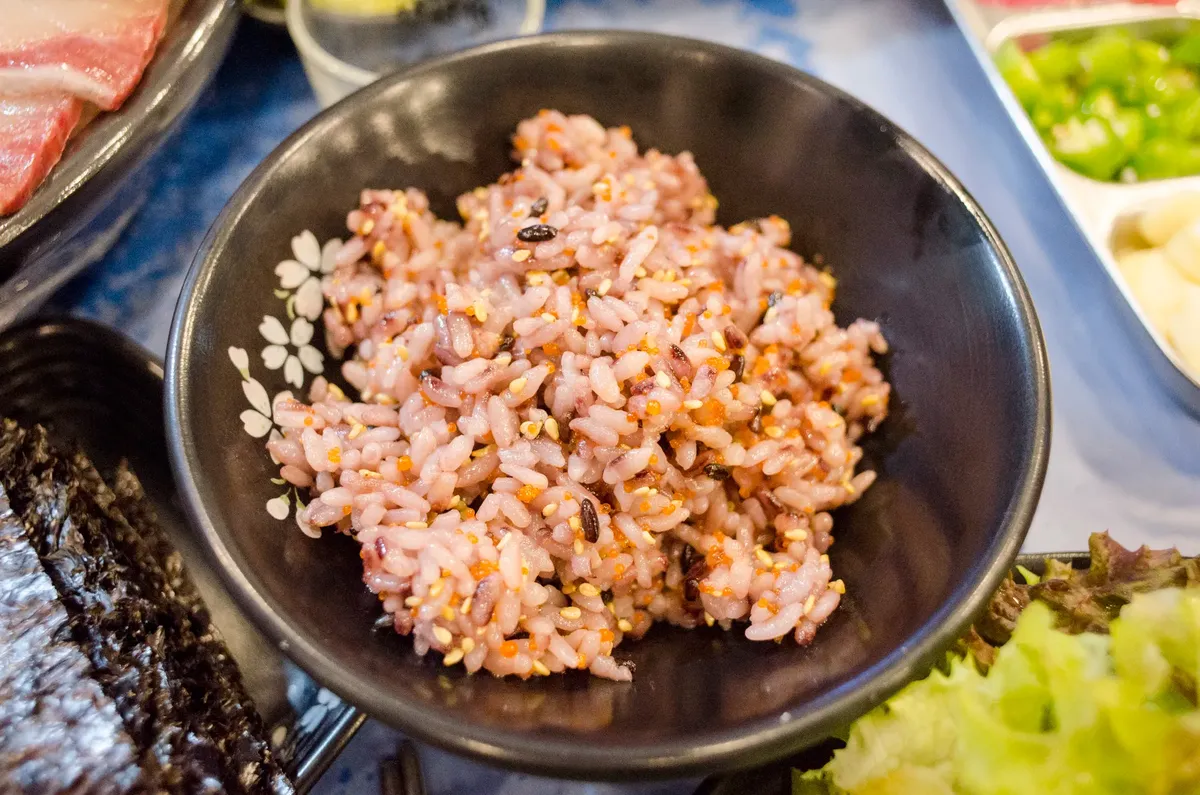
The essence of Korean meals is often found in the harmony between the plain rice and the complex seasonings of various side dishes. This balance ensures that the meal is flavorful yet not excessively heavy.
This sequence of flavor development is essential to the culinary process.
What is the role of rice in meals during holidays?
A family gathers around a large table during a festive period, sharing various traditional dishes passed down through generations. The centerpiece is always a large portion of rice.
The role of rice in meals is deeply tied to communal eating and tradition. During holidays like Chuseok, which lasts for 3 days, families spend time eating traditional food and playing traditional games.
The meaning of rice power during these times involves the gathering of family members around a shared staple. It symbolizes togetherness and the continuity of tradition through food.
In this context, the second step of preparation is the most time-consuming.
How do we understand rice as energy source in daily life?
A worker takes a quick lunch break, reaching for a hearty bowl of rice to fuel the afternoon ahead. The familiarity of the meal provides a sense of stability.
Understanding rice as energy source means recognizing its role as a steady fuel for the body. For example, 100g of cooked long-grain brown rice provides 514kj of energy and 2.74g of protein.
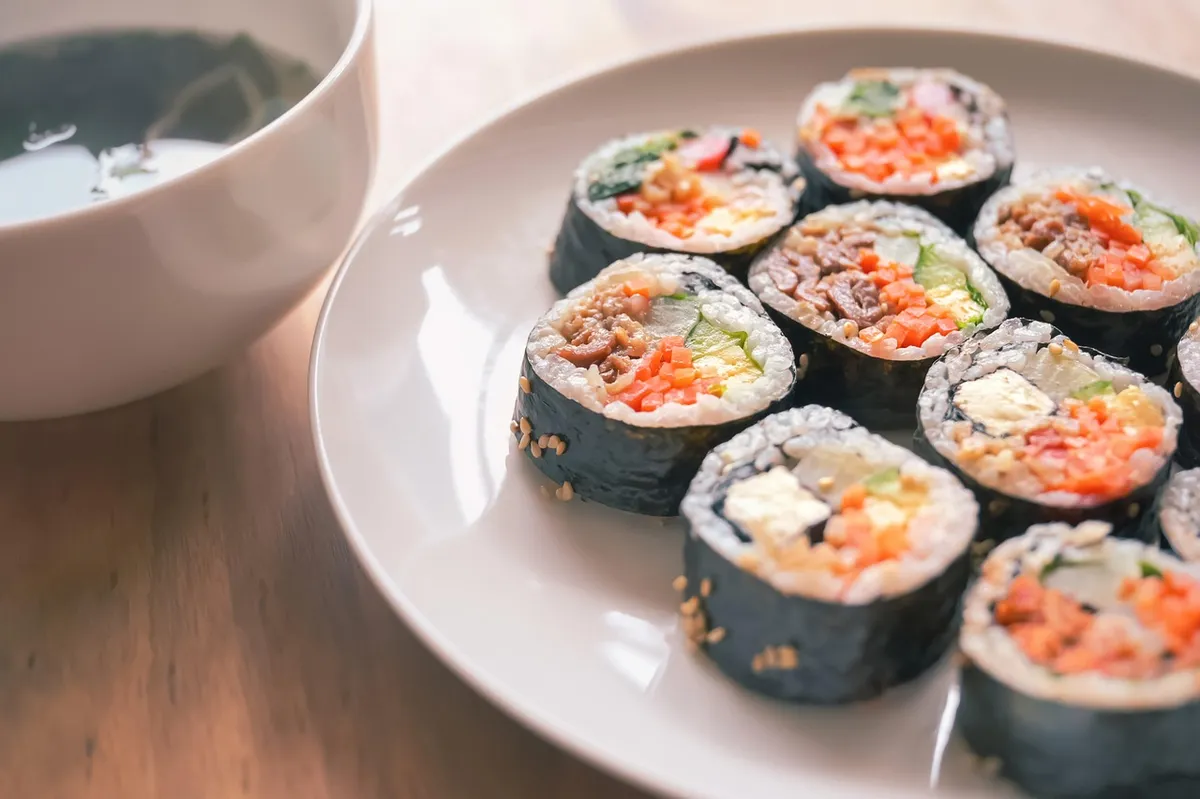
I often find that a meal centered on rice feels more substantial than one centered on lighter snacks. This sense of fullness is a key part of how people perceive a complete meal.
However, the sustained energy release is less effective when the rice is highly processed.
How does rice and dining culture affect modern eating habits?
A student in a busy city apartment quickly prepares a bowl of rice to eat while studying. Even with a fast-paced lifestyle, the staple remains a constant.
The impact of food taste is often moderated by the presence of a grain base. In many households, even when side dishes change, the presence of rice remains a constant variable in the daily diet.
The essence of Korean meals remains anchored in the grain, even as side dishes become more diverse or international. This stability helps maintain a sense of identity in modern dining.
This shift in habits is not universal and may not apply to those following strictly low-carbohydrate diets.
What are the nutritional components of rice?
A nutritionist examines a bowl of brown rice, noting the different vitamins and minerals present. The grain is more than just a source of carbohydrates.
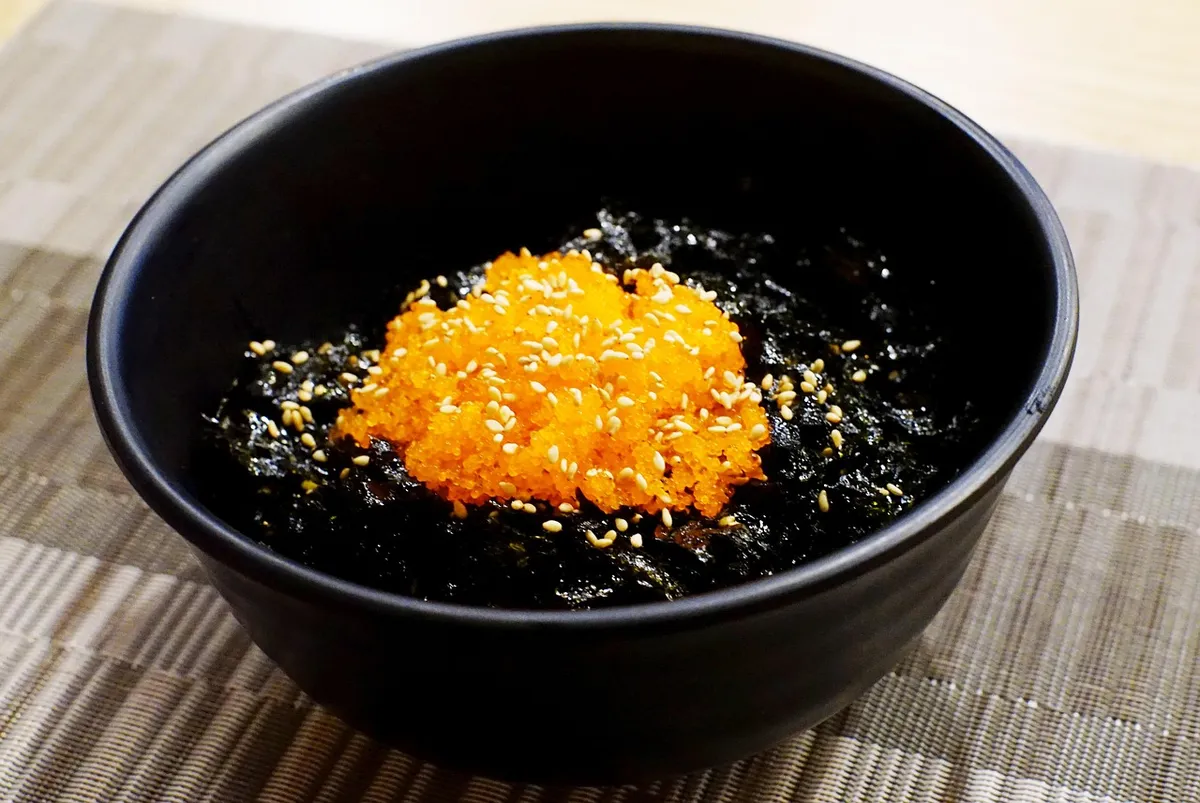
The nutritional profile of long-grain brown rice includes 1.6g of dietary fiber, 0.56mg of iron, and 39mg of magnesium per 100g. These components contribute to the overall nutritional value of the meal.
| Nutrient (per 100g) | Brown Rice (Long-grain, cooked) |
|---|---|
| Carbohydrates | 25.6g |
| Protein | 2.74g |
The comparison shows how the grain provides a significant amount of macronutrients. This nutritional density supports the idea that rice is a vital component of a balanced diet.
The nutritional value is not constant and varies depending on whether the bran is removed.
- Why is the importance of rice power so central to meals?
- How does Korean rice culture influence flavor?
- What is the role of rice in meals during holidays?
Related
How does the act of eating a bowl of rice compare to other meals?
The act of eating a bowl of rice provides a sustained energy baseline compared to lighter fare. While side dishes offer varied tastes, the rice offers the constant foundation upon which those tastes rest. This consistency is what makes the meal feel complete.
The comparison highlights that the rice serves as the body’s primary fuel source for the day’s activities. A meal lacking this substantial grain base might feel incomplete, even if the accompanying dishes are varied. The feeling of satiety is largely dependent on this foundational grain.
What cautions apply when considering rice as a daily staple?
A caution is that while rice is a reliable energy source, its nutritional profile varies based on the type and preparation. For instance, the comparison between white and brown rice shows differences in fiber and mineral content.
Therefore, choosing the whole grain enhances the overall nutritional intake of the meal.
The importance of the grain base means that its preparation affects the entire meal’s nutritional contribution. Ensuring the rice is cooked properly maximizes its availability as a steady fuel source. This mindful approach elevates the simple act of eating a bowl of rice.
The presence of the grain ensures that the meal contributes macronutrients necessary for daily function. This nutritional density makes rice a vital part of a balanced intake.



Comments 0