What is the cultural significance of kimchi?
"The soul of a culture is often found within its jars, preserved through time and tradition."
Why is kimchi so popular? This global fascination stems from a unique combination of deep historical roots, complex fermentation processes, and a distinct flavor profile that has secured its place on the world stage.
This guide explores the cultural importance, nutritional profile, and the journey of this fermented staple.
* Deeply rooted cultural heritage recognized by UNESCO. * Complex fermentation that creates a unique flavor profile. * A rich history of preservation through seasonal changes. * Global standardization efforts to define its identity.
Why is kimchi so popular?
A hand reaches into a stoneware jar to pull out a vibrant, red-tinted slice of kimchi as the sharp, acidic aroma fills the kitchen.
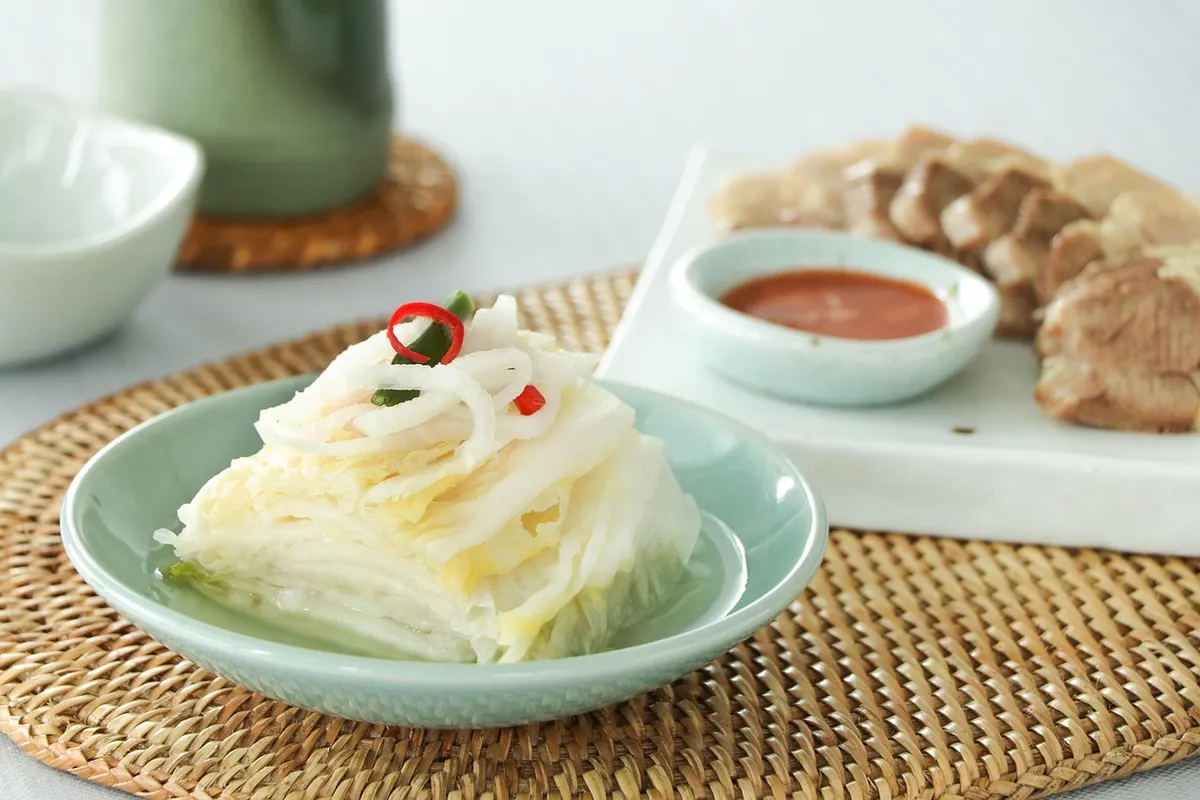
A hand reaches into a stoneware jar to pull out a vibrant, red-tinted slice of fermented cabbage. The sharp, acidic aroma fills the kitchen, signaling a successful fermentation process. This sensory experience is at the heart of the Korean culinary identity.
The popularity of this dish is driven by its role as both a staple food and a cultural symbol. For generations, it has been a fundamental part of daily meals, providing a reliable source of flavor and nutrition.
The fermentation process creates a complex taste that satisfies various palates, making it more than just a side dish.
This high level of consumption highlights how deeply integrated the food is into the daily lifestyle. This consistent presence in the diet has helped spread its reputation globally.
The kimchi taste history is much more than just a culinary trend; it is a story of survival and adaptation. Historically, fermenting vegetables was a vital method for preserving food through harsh winters.
This necessity birted a sophisticated technique that turned simple ingredients into a complex masterpiece.
Its unique blend of spicy, sour, and savory flavors creates an addictive profile that appeals to diverse palates.
How did the taste of kimchi evolve? A wooden spoon stirs a mixture of salt, chili, and vegetables in a large bowl. The ingredients blend into a pungent, savory paste that promises a deep umami flavor. This preparation is a ritual passed down through families.
The flavor profile is characterized by a balance of salt, heat, and acidity. As the vegetables ferment, beneficial bacteria transform the sugars, creating the signature tang. This natural preservation art ensures that the vegetables remain edible and flavorful for long periods.
The fermentation process is a natural preservation art that relies on controlled environments. By managing salt levels and temperature, producers can achieve specific levels of acidity and texture. This allows for a wide variety of styles, from mild and watery to spicy and thick.
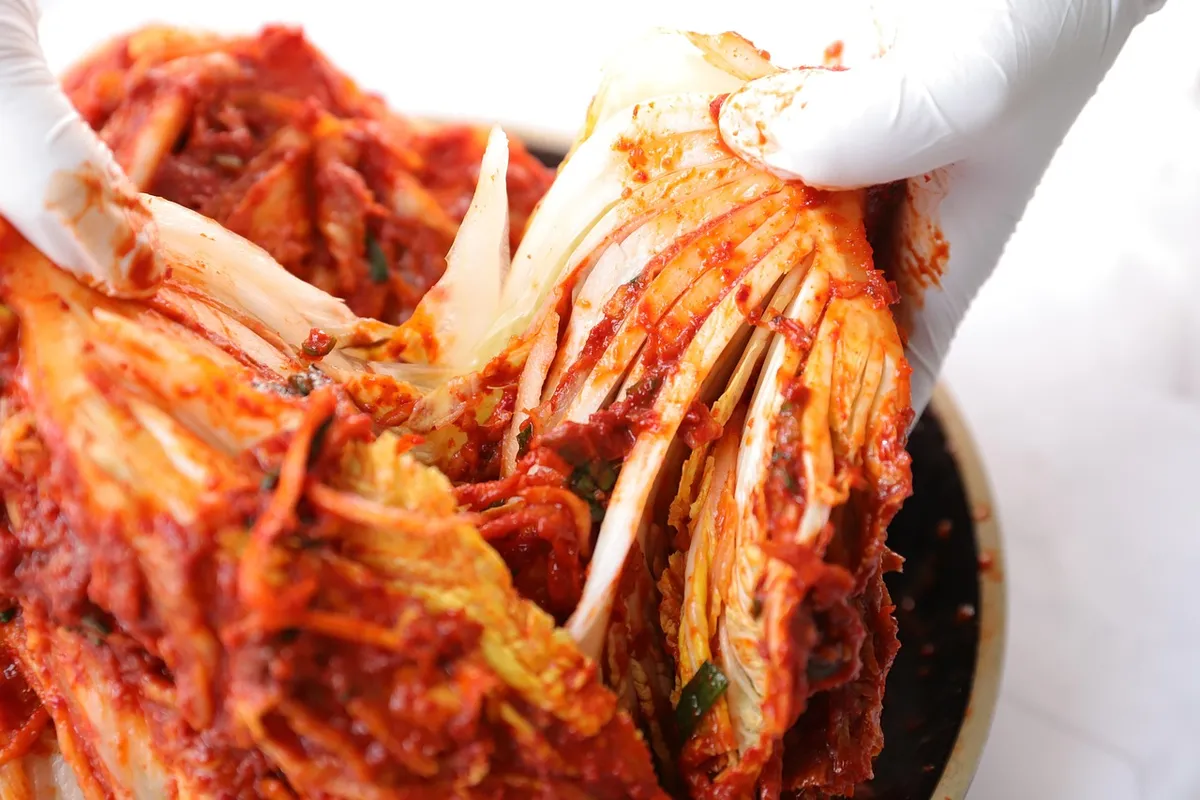
The Korean food appeal often lies in this versatility, as it can be eaten fresh or aged to different levels of sourness. Each stage of fermentation offers a different nuance, allowing it to pair with various other dishes. This adaptability makes it a versatile component in many different cuisines.
The evolution of flavor reflects how fermentation techniques changed over time.
What is the cultural significance of kimchi? A family gathers around a low table, sharing a large communal bowl of seasoned vegetables. Laughter and conversation flow as they scoop portions onto individual bowls of rice. This communal eating is a cornerstone of social connection.
The kimchi cultural meaning is tied to the concept of shared identity and community. Traditions like making large batches of kimchi to last through the winter involve entire families or neighborhoods. This collective effort reinforces social bonds and preserves heritage.
Kimchi-related items have been inscribed on UNESCO's Representative List of the Intangible Cultural Heritage of Humanity by both South and Korea. This recognition highlights the profound social and cultural value of the tradition. It is not just food, but a living expression of human history.
The fermentation food journey is also a journey of identity, where specific regional styles reflect local ingredients and climates. From the seaside to the mountains, different variations tell the story of different landscapes.
This diversity adds layers of meaning to the single name used to describe it.
It represents more than just food; it is a symbol of communal identity and heritage.
Understanding the nutritional profile
A person carefully measures out a small portion of cabbage to add to a healthy meal. The bright colors of the vegetables suggest a high density of vitamins and minerals. Nutrition is a key component of its global appeal.
The nutritional value of the dish is a significant factor in its widespread acceptance. It provides essential micronutrients and fiber in a calorie-efficient way. This makes it an attractive option for health-conscious consumers worldwide.
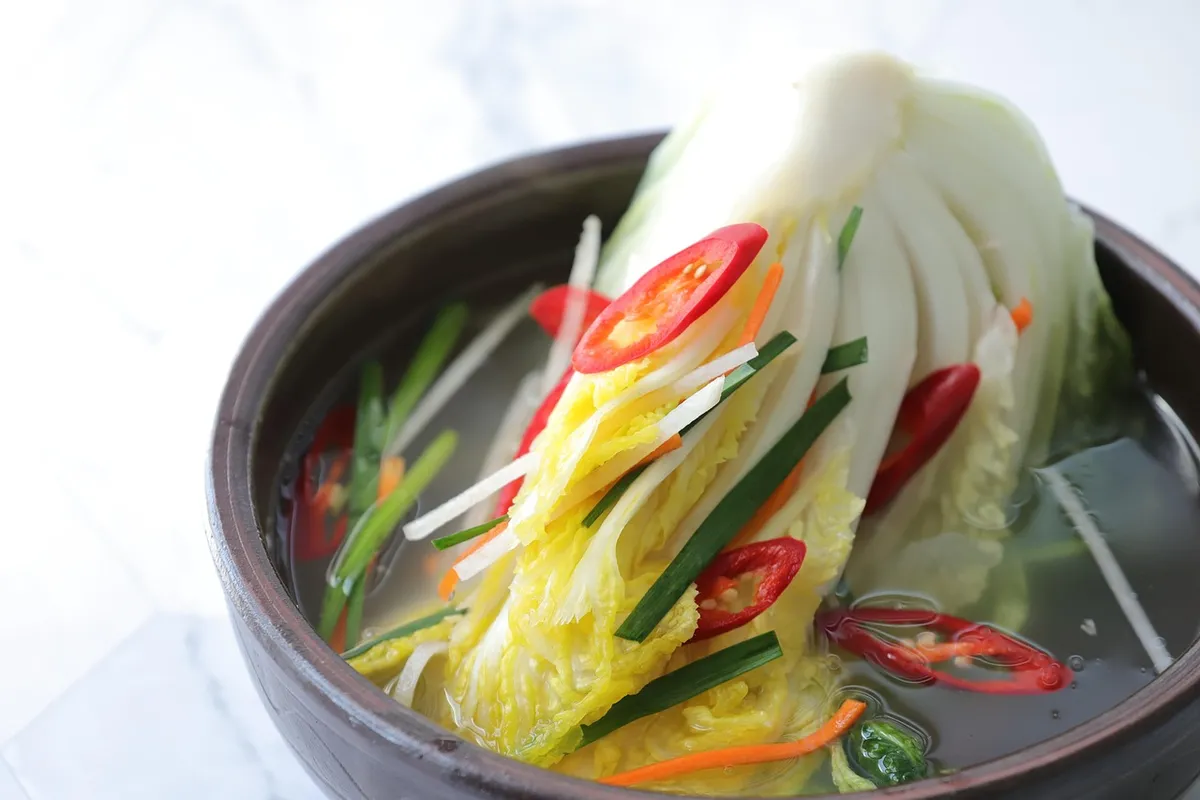
According to USDA FoodData Central, 100g of cabbage kimchi contains 1.1g of protein, 2.4g of carbohydrates, and 1.6g of dietary fiber. It also provides 33mg of calcium, 151mg of potassium, and 2.5mg of iron. These values show it is a nutrient-dense food.
The combination of fiber and probiotics makes it a functional food in many diets. While it is low in fat at 0.5g per 100g, its flavor-packed nature means small amounts go a long way. This allows it to complement many different types of meals without adding excessive calories.
The fermentation process naturally enhances the bioavailability of vitamins and minerals.
Navigating the fermented food journey
A chef carefully monitors the temperature of a fermentation vessel in a cool cellar. The precise control of the environment is necessary to ensure the right bacterial activity. Success depends on patience and observation.
To understand how it is made, one can look at the traditional steps: 1. Brine the vegetables in salt to draw out moisture and create a controlled environment for bacteria. 2. Mix the vegetables with a seasoning paste containing chili, garlic, ginger, and other aromatics. 3.
Pack the mixture into airtight containers and leave it to ferment at room temperature for 24 to 48 hours.
I remember watching the bubbles rise in a fermentation jar during a cooking class, marking the exact moment the flavors began to transform. This careful management is what allows for consistent quality.
A limitation to this process is that the specific flavor profile can change significantly depending on the ambient temperature and the exact salt concentration used. This means that perfect consistency is difficult to achieve without strict environmental control.
- Select high-quality seasonal vegetables.
- Apply the traditional brine and seasoning mix.
- Allow the fermentation process to occur at controlled temperatures.
Global standards and identity
An official examines a document detailing international food trade standards. The text outlines the specific requirements for labeling and quality control. This represents the intersection of tradition and modern commerce.
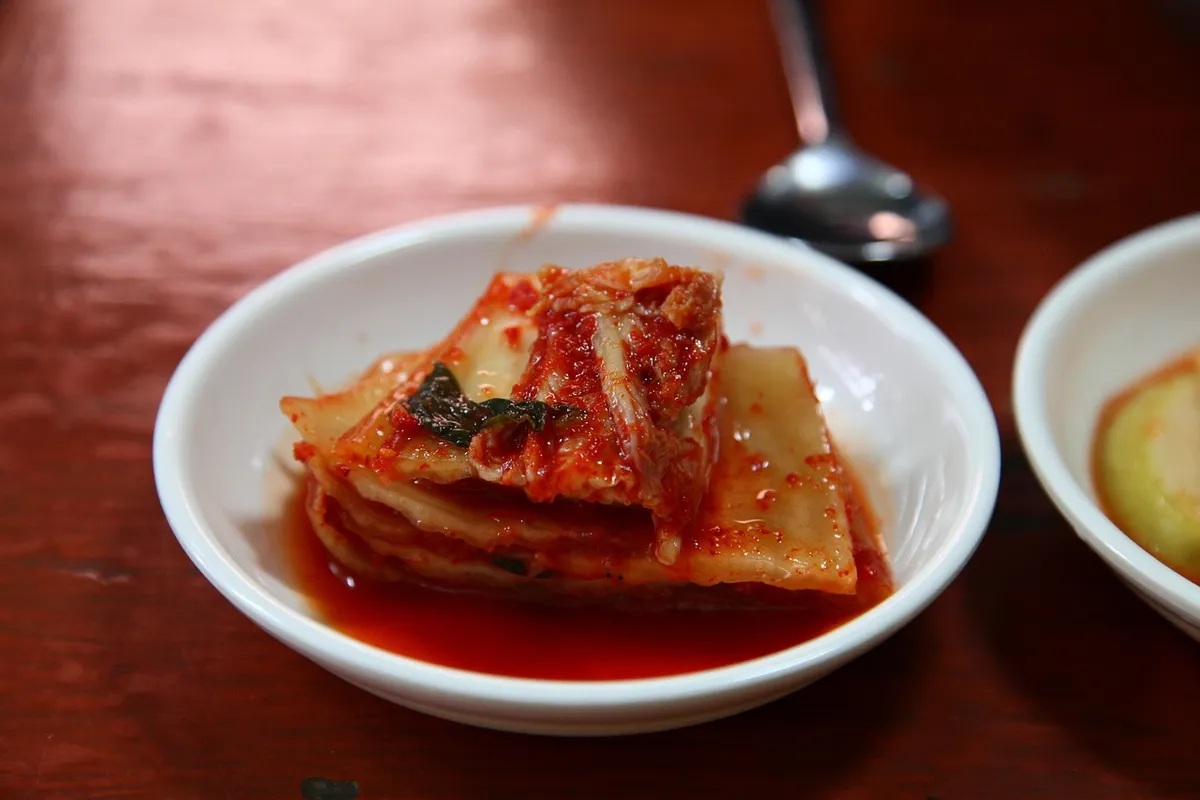
The identity of the food has been a subject of international discussion. Efforts to establish clear standards aim to protect the heritage and ensure quality for global consumers. This involves navigating complex international trade and cultural nuances.
In 2021, the South Korean Ministry of Culture, Sports and Tourism presented the guidelines to set the term xīnqí (辛奇) as the new proper Chinese translation of kimchi, while pàocài was no longer the acceptable translation. This move sought to clarify its unique identity in the Chinese-speaking world.
The pursuit of an international standard from the Codex Alimentarius, an organization associated with the World Health Organization, was a way to define its place in global trade. This ensures that the food meets specific preparation standards recognized internationally.
In this order, the second step is the longest.
Related




Comments 0